How to Stop a Leaking Faucet From Dripping | Tims Plumbing
Learn how to stop a leaking faucet from dripping with expert advice from Tims Plumbing HVAC in Milwaukee, WI. Prevent water waste and high bills today.
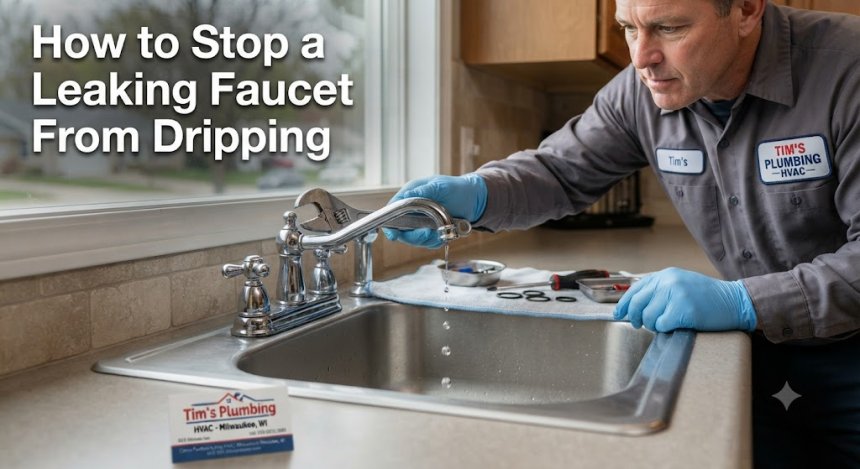
Dealing with a persistent drip is more than just an annoying sound echoing through the house—it is a steady drain on your water utility bill and a sign of internal fixture wear. How to stop a leaking faucet is one of the most searched queries for homeowners in Milwaukee, WI, Wauwatosa, West Allis, and surrounding Milwaukee County neighborhoods. Whether you live in a historic bungalow in Riverwest or a modern build in the Third Ward, faucet leaks are a common household plumbing nuisance. When a fixture begins to fail, the constant dripping wastes thousands of gallons of water annually. Understanding why this happens, how to perform safe temporary fixes, and when to call a licensed professional at Tims Plumbing HVAC helps protect your home from long-term water damage and escalating repair costs.
What Is a Leaking Faucet?
A leaking faucet is an uncontrolled escape of water from the spout or base of a bathroom, kitchen, or utility sink fixture when the handle is completely shut off.
Common situations involve a slow, rhythmic drip or a constant trickle that refuses to stop no matter how tightly the handle is turned.
Common Symptoms
-
Visible water pooling around the base of the handle or spout.
-
Mineral crust or lime scale buildup accumulating near the aerator or handle seams.
-
A damp, musty smell coming from the vanity cabinet underneath the sink.
-
Spikes in your municipal water bill without any changes in household consumption.
For example, a faucet leaking at a rate of one drip per second wastes more than 3,000 gallons of water per year—enough for over 180 showers.
Why Does This Plumbing Problem Happen?
Faucet leaks rarely happen overnight; they are typically the result of mechanical wear, environmental factors, and water chemistry interacting with internal plumbing components.
-
Worn Plumbing Fixtures: Internal components like rubber washers, O-rings, and spring seals degrade over time from constant friction and water pressure.
-
Hard Water: Milwaukee water can carry high mineral content. Limescale and calcium deposits build up inside the valve seat and cartridge, preventing a tight seal when closed.
-
High Water Pressure: Excessive pressure within your home's supply lines puts continuous stress on faucet cartridges, valve stems, and connection joints.
-
Improper Installation: Cross-threaded fittings, over-tightened nuts, or missing washers during DIY installations lead to premature component failure.
-
Aging Pipes and Valves: Corroded supply lines or older compression-style valves lose their structural integrity, resulting in leaks around the cartridge housing.
Signs You Should Never Ignore
Ignoring a dripping faucet because it seems minor can lead to secondary property damage and unexpected expenses down the road.
-
Water Stains: Persistent dripping underneath the sink can saturate wooden vanity cabinets, causing structural warping and rot.
-
High Water Bills: An unexplained spike in your utility statement often points to a hidden or neglected leak wasting water 24/7.
-
Mold Growth: Constant moisture inside enclosed cabinet spaces creates an ideal breeding ground for harmful mold and mildew.
-
Bad Smells: Stagnant water pooling around organic debris or rotting wood produces foul, damp odors under your sink.
-
Discolored Water: Rust particles breaking free from corroded internal components can discolor your tap water.
Common Plumbing Problems Related to This Issue
A localized faucet leak is often a symptom of broader vulnerabilities within your home plumbing infrastructure.
-
Pipe Leaks: Chronic high pressure that damages a faucet can simultaneously weaken hidden supply pipes behind walls.
-
Fixture Damage: Corroded mounting hardware can cause the entire sink fixture to loosen or crack the porcelain sink basin.
-
Drain Clogs: Continuous trickling over mineral deposits can accelerate debris buildup in the p-trap below.
-
Water Heater Failures: Uncontrolled water loss forces your water heater to cycle more frequently, accelerating wear on the tank.
Step-by-Step Professional Repair Process
When you call Tims Plumbing HVAC for a dripping faucet, our licensed plumbers follow a systematic approach to ensure a permanent fix.
-
Step 1: Inspection: The plumber examines the fixture, identifies the specific model, and checks surrounding supply lines for wear.
-
Step 2: Diagnosis: Water supply is shut off locally, and the plumber disassembles the handle to inspect cartridges, washers, and valve seats.
-
Step 3: Estimate: You receive a clear, upfront cost breakdown covering required replacement parts and labor before any work begins.
-
Step 4: Repair: The worn component is replaced with high-grade OEM parts, or the entire fixture is upgraded if the housing is compromised.
-
Step 5: Testing: The water supply is restored, and the plumber tests the fixture across multiple flow rates to verify a 100% dry seal.
-
Step 6: Cleanup: The work area is wiped down, and all old parts are removed from your property.
-
Step 7: Maintenance Advice: The plumber provides tailored tips on how to preserve your faucet's lifespan based on local water conditions.
Can You Fix It Yourself?
Many homeowners successfully handle minor faucet repairs with basic tools and a replacement kit from the local hardware store.
-
Safe DIY Solutions: Replacing a worn O-ring, swapping out a deteriorated rubber washer, or cleaning mineral scale off the aerator screen.
-
Temporary Fixes: Turning off the local shut-off valves under the sink to stop active dripping until replacement parts can be purchased.
-
When DIY Becomes Dangerous: Stripping the mounting nut on older cast-iron sinks, twisting rusted supply lines, or dealing with soldered connections under the basin.
-
When Professional Plumbing is Necessary: If your faucet is integrated into a custom stone countertop, has specialized electronic sensors, or if the internal valve seat is stripped beyond simple cartridge replacement.
Tools Professionals Use
Licensed plumbers utilize specialized diagnostic tools and equipment to ensure repairs are executed efficiently and accurately.
-
Basin Wrenches: Designed to reach tight, awkward mounting nuts locked high up behind the sink basin.
-
Cartridge Pullers: Extract stuck or calcified valve cartridges cleanly without damaging the surrounding faucet body.
-
Leak Detection Equipment: Electronic acoustic sensors and thermal cameras used to rule out behind-the-wall leaks.
-
Pressure Testing Gauges: Verify that home water supply pressure is within safe operating ranges (typically 40 to 80 PSI).
-
Pipe Inspection Cameras: Small fiber-optic lenses used to inspect branch supply lines when multiple fixtures show pressure anomalies.
How Long Does the Repair Usually Take?
Repair timelines vary based on the complexity of the fixture and accessibility under the sink.
-
Simple Repairs: 30 to 45 minutes for replacing a standard single-handle cartridge or aerator cleaning.
-
Moderate Repairs: 1 to 2 hours for replacing dual-handle compression stems, corroded valve seats, or stubborn mounting hardware.
-
Major Repairs: 2 to 3 hours if supply lines must be cut, re-soldered, or if custom architectural fixtures require delicate handling.
-
Emergency Repairs: Immediate dispatch with turnaround times dependent on traffic across Milwaukee County and immediate water shut-off needs.
Cost Factors
Plumbing repair costs vary depending on the severity of the problem, accessibility, materials required, emergency service, property type, and local labor rates.
-
Diagnostic Fees: Standard service call charge to evaluate the issue and provide an accurate quote.
-
Parts and Materials: Cost varies between standard rubber washer kits ($5–$15), proprietary manufacturer cartridges ($30–$150), or full fixture replacements.
-
Labor Rates: Reflects the expertise of a licensed, insured professional completing code-compliant work.
-
Accessibility: Tight spaces in older Milwaukee basements or cramped vanity designs can increase labor time.
Hidden Truths Homeowners Should Know
Understanding the realities of household plumbing helps you make proactive decisions that save money over time.
-
Small leaks quickly transform into expensive repairs when structural wood rot sets in.
-
Cheap temporary fixes using waterproof tape often fail under continuous municipal water pressure.
-
Homeowner insurance policies frequently deny claims resulting from neglected, long-term slow leaks.
-
Hard water in the upper Midwest drastically shortens the lifespan of rubber seals and aerators.
-
DIY mistakes, such as cross-threading fittings, frequently double the ultimate cost of professional intervention.
-
Delaying simple repairs increases utility bills month after month without adding home value.
-
Mold develops within 24 to 48 hours of constant moisture exposure in dark vanity cabinets.
-
Annual plumbing maintenance catches failing seals before they rupture completely.
15 Common Mistakes Homeowners Make
Avoiding these frequent errors will protect your plumbing fixtures and wallet.
-
Ignoring minor leaks: Hoping a drip will stop on its own leads to water damage.
-
Using chemical drain cleaners: Harsh acids erode metal pipes and ruin internal rubber seals.
-
Over-tightening handles: Forcing a handle closed crushes rubber washers and ruins the valve seat.
-
Skipping the main water shut-off: Forgetting to turn off water before disassembly results in indoor flooding.
-
Hiring unlicensed handymen: Uninsured labor often lacks the training to handle complex fixture installations.
-
Using the wrong replacement parts: Generic washers that do not match exact manufacturer specs fail prematurely.
-
Neglecting aerator cleaning: Mineral buildup increases backpressure on the cartridge, causing premature leaks.
-
Delaying repairs during winter: Frozen pipes can compound existing hairline leaks in exterior walls.
-
Forcing rusted threaded connections: Applying excessive torque shears older supply pipes.
-
Failing to check supply lines: Overlooking flexible braided hose degradation during faucet maintenance.
-
Disregarding water pressure spikes: Ignoring high pressure that continuously stresses new fixtures.
-
Using improper sealants: Applying general household glue instead of plumbing-grade plumber's tape or silicone.
-
Leaving old gaskets in place: Reusing compressed, worn rubber gaskets guarantees a continuing leak.
-
Dropping tools down the drain: Failing to plug the open sink drain during repair work lets hardware fall into the p-trap.
-
Waiting for a total breakdown: Calling only after a catastrophic failure rather than addressing early warning signs.
Maintenance Tips
Implement these practical steps to keep your faucets dripping-free year-round.
-
Clean aerators quarterly: Unscrew the tip of the faucet and soak screen mesh in vinegar to dissolve mineral scale.
-
Check supply hoses: Inspect flexible steel braided lines under sinks twice a year for fraying or bulging.
-
Test shut-off valves: Turn the under-sink angle stops on and off annually to prevent them from seizing up.
-
Monitor water pressure: Install a pressure reducing valve if your home gauge reads consistently above 80 PSI.
-
Exercise handles gently: Avoid slamming or over-twisting lever and knob handles when shutting off water.
-
Install a water softener: Protect your entire plumbing infrastructure from abrasive Milwaukee mineral deposits.
-
Inspect cabinet interiors: Look underneath sinks regularly with a flashlight for early signs of moisture or discoloration.
-
Replace washers proactively: Change out rubber washers every 3 to 5 years in older compression-style fixtures.
-
Clear debris: Keep soap scum and hair from building up around sink bases and handles.
-
Insulate winter pipes: Protect exposed supply lines running near exterior basement walls during deep freezes.
-
Flush lines after repair: Clear out lingering solder bits or pipe tape after plumbing work.
-
Use OEM components: Always request manufacturer-approved replacement cartridges for long-term reliability.
-
Schedule annual audits: Have a professional from Tims Plumbing HVAC review your home's water fixtures.
-
Educate household members: Teach family members not to hang heavy items on vanity plumbing or force stuck handles.
When Should You Call an Emergency Plumber?
While a dripping faucet is rarely an immediate emergency, certain associated plumbing failures require rapid professional response.
-
Burst Supply Lines: A sudden rupture in a supply hose spraying water across your walls or floors.
-
Major Water Leaks: Uncontrolled flooding originating from a cracked valve body or split connection.
-
No Running Water: Total loss of water supply to the home indicating a main line break or severe freeze.
-
Sewage Backups: Wastewater backing up into sink basins or floor drains.
-
Overflowing Fixtures: Main drain clogs that cause multiple fixtures to back up simultaneously.
Frequently Asked Questions
Why is my water pressure suddenly low? Sudden low pressure is frequently caused by a clogged faucet aerator trapped with mineral scale, a partially closed supply shut-off valve, or a municipal supply issue in your neighborhood.
How much does leak detection cost? Diagnostic and leak detection costs vary based on the accessibility of the pipe network and the specialized acoustic or thermal equipment required to locate hidden issues.
Can a clogged drain damage pipes? Yes. Severe clogs create backpressure and standing water that accelerates corrosion in older metal drain lines and weakens joint seals.
Is hydro jetting safe for old pipes? Hydro jetting uses high-pressure water streams and requires a professional assessment; an experienced plumber will evaluate pipe material and age before recommending it to prevent damaging fragile or rusted lines.
How do I know if my sewer line is broken? Warning signs include multiple clogged drains throughout the house, foul sewage odors in the yard or basement, gurgling toilets, and soggy patches on your lawn.
How long do water heaters last? Standard tank-type water heaters typically last between 8 to 12 years, while tankless units can operate for 20 years or more with routine annual maintenance.
Why does my faucet drip? A faucet drips due to worn internal components like O-rings and rubber washers, a degraded valve seat, or mineral buildup preventing a tight watertight seal.
What causes pipes to burst? Pipes commonly burst due to freezing winter temperatures that cause trapped water to expand, severe corrosion, or excessive water pressure exceeding the pipe's structural limits.
Can plumbing leaks increase my water bill? Absolutely. Even a slow, continuous drip wastes thousands of gallons of water over a billing cycle, resulting in significantly higher utility charges.
When should I replace plumbing instead of repairing it? You should consider replacement when fixtures are heavily corroded, require frequent recurring repairs, or when replacement parts are obsolete and no longer manufactured.