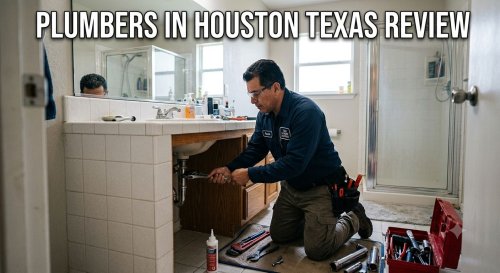
Plumbers In Houston Texas Review
Plumbers In Houston Texas review covering services, emergency plumbing, Houston conditions, repair costs, maintenance, and hiring questions
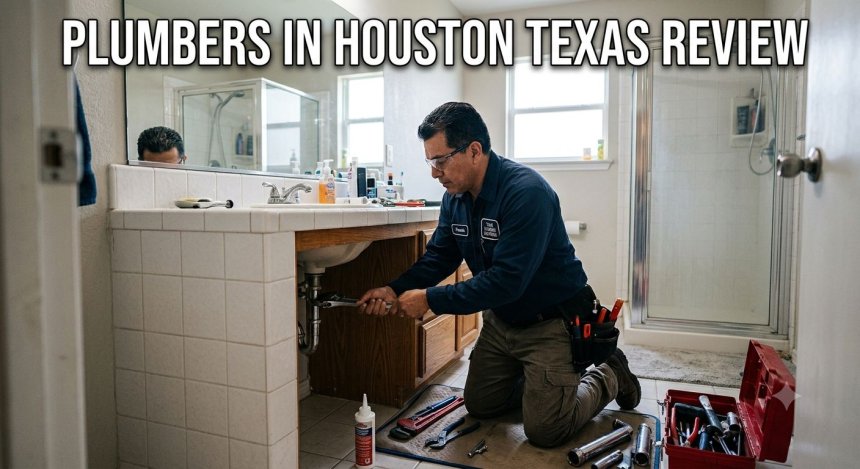
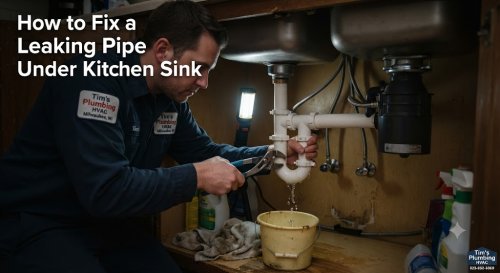
A burst pipe under the kitchen sink can turn from a small plumbing problem into serious water damage surprisingly quickly. The same is true when a water heater stops producing hot water, a toilet begins overflowing, or a sewer line backs up into a home.
For Houston homeowners, choosing a plumber is therefore less about finding a flashy advertisement and more about finding a technician who can identify the actual cause, explain the repair, and handle the work according to applicable requirements.
This review looks at Plumbers In Houston Texas as a plumbing-service option for customers in the Houston, Texas area. The focus is on what homeowners should reasonably expect from a professional plumbing company, which services matter most, and what should be confirmed before scheduling work.
What Plumbers In Houston Texas May Be a Fit For
The supplied business information identifies Plumbers In Houston Texas and provides the phone number 844-833-2093. Specific claims about the company's exact service menu, technicians, licensing, warranties, years in business, or customer-review totals were not supplied and should be verified directly.
For a homeowner, the practical question is whether the company can handle the particular plumbing problem involved.
A residential customer might need help with a leaking supply line, blocked drain, faulty water heater, toilet problem, or damaged sewer pipe. Commercial properties can involve larger drainage systems, multiple fixtures, water-supply piping, grease-management equipment, or more complicated shutoffs.
A good plumber should start with diagnosis rather than immediately recommending replacement.
For example, a slow kitchen drain could result from grease accumulation close to the fixture, a deeper obstruction, poor pipe slope, root intrusion, or another restriction farther down the line. The appropriate repair depends on the cause.
1. Drain Cleaning and Clogged Pipes
Drain problems are among the most common reasons homeowners call a plumber.
A basic clog may be caused by hair, soap residue, food waste, grease, or other material accumulating inside the pipe. A recurring blockage deserves more investigation.
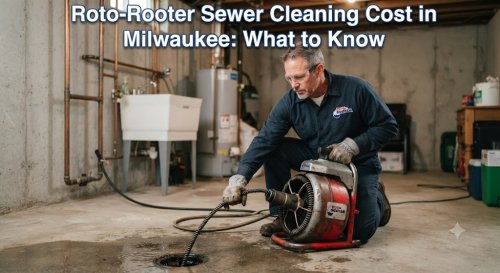
Professional drain cleaning can involve mechanical cable equipment, hydro-jetting where appropriate, or inspection equipment. The method should match the piping and the nature of the obstruction.
A good technician should determine:
- Which fixture or fixtures are affected
- Whether the blockage is isolated or affecting a larger branch line
- Whether the drain has backed up previously
- Whether there are signs of a damaged or collapsed pipe
- Whether roots or other structural problems could be involved
- Whether camera inspection is appropriate
Chemical drain cleaners are not always a good substitute for professional diagnosis. Repeated use can also create safety problems for anyone later working on the plumbing.
2. Water Heater Problems
No hot water is more than an inconvenience when a household depends on a water heater for showers, washing dishes, and laundry.
A plumber diagnosing a water-heater problem may check the heating system, thermostat or controls, electrical or gas connections as applicable, temperature and pressure-relief components, water connections, sediment accumulation, leakage, and the condition of the tank.
A technician should also determine whether repair makes sense or whether replacement is more practical.
Homeowners should ask for an explanation of the diagnosis rather than accepting a replacement recommendation without understanding what failed.
If a water heater is leaking significantly, shut off the appropriate water supply and heating source when it is safe to do so, and arrange professional service.
3. Leak Detection and Water-Line Repairs
A leak isn't always visible.
Water stains, unexplained increases in water usage, damp flooring, sounds of running water, or constantly cycling equipment can point toward a hidden plumbing leak.
Houston homes can have different plumbing configurations and materials depending on their age and construction. A proper diagnosis may require checking accessible piping, shutoff valves, fixtures, pressure conditions, and the affected supply line.
Houston's published housing standards specifically identify deteriorated water-supply piping, evidence of leaks, and dysfunctional shutoff valves as plumbing deficiencies in covered housing situations.
That makes functioning shutoff valves particularly important. Homeowners should know where the main water shutoff is located before an emergency happens.
4. Sewer and Main-Drain Problems
A sewer backup is more serious than an ordinary sink clog.
Warning signs include multiple slow drains, gurgling toilets, sewage odors, repeated backups, or wastewater appearing in a floor drain or low fixture.
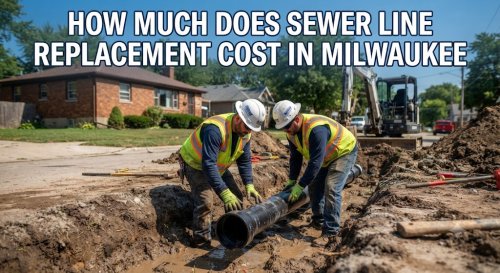
The problem may be within the home's drain system or farther along the sewer line. A professional plumber may use a sewer camera to determine whether the line has roots, cracks, offset joints, heavy buildup, or another obstruction.
Houston's municipal system also handles sewer-stoppage and water-line-related service requests, so homeowners should distinguish between a private plumbing problem and an issue involving public infrastructure.
A Houston-Specific Plumbing Reality
Houston plumbing has to deal with more than ordinary day-to-day wear.
Heavy rain, flooding conditions, humidity, heat, soil movement, aging infrastructure, and occasional hard freezes can all create different plumbing concerns.
Freezing temperatures deserve particular attention. Houston has experienced significant freeze events, including the February 2021 winter storm, and the city has continued emphasizing protection of pipes during severe winter weather.
Exterior hose bibs, exposed piping, vulnerable supply lines, and poorly protected plumbing can become problems during unusually cold weather.
Houston's housing standards also specify freeze protection or insulation requirements for exterior faucets in certain residential contexts.
For larger plumbing alterations and repairs, homeowners should also ask whether a permit or inspection is required. The City of Houston states that licensed and registered contractors can apply for certain plumbing permits and that its permitting system supports inspection and permit-status information.
What Affects Plumbing Repair Cost?
There is no responsible way to give one fixed price for a plumbing problem without seeing the property and diagnosing the issue.
The final bill can depend on:
- Labor time
- Accessibility of the damaged pipe
- Type and amount of replacement material
- Emergency or after-hours scheduling
- Drain or sewer-line depth
- Required excavation
- Water-heater type and capacity
- Permit and inspection requirements
- Extent of water or structural damage
- Whether additional repairs are discovered after opening the system
General industry estimates: routine service calls and straightforward plumbing repairs can vary from relatively modest service charges to several hundred dollars, while major sewer, repiping, excavation, or water-heater replacement work can reach substantially higher amounts. These are broad industry estimates, not prices for Plumbers In Houston Texas.
Before approving significant work, ask for the diagnosis, proposed repair, labor/material assumptions, and total or estimated cost in writing.
When Is a Plumbing Emergency?
Some plumbing problems should not wait until the next business day.
Call for urgent plumbing help when there is:
- A burst or rapidly leaking pipe
- An uncontrolled water leak
- Sewage backing into the home
- An overflowing toilet that cannot be stopped
- No water where a major supply failure is suspected
- A serious water-heater leak
- A suspected gas-related emergency
For a significant water leak, shut off the local fixture valve or main water supply if you can do so safely.
If electricity may have contacted standing water, do not enter the area or operate electrical equipment. If you smell gas, leave the area and contact the appropriate emergency utility service; do not attempt to diagnose a gas leak yourself.
Houston 311 is also available around the clock for municipal service requests, including certain water and sewer-related issues.
Questions to Ask Before Hiring a Houston Plumber
Before scheduling work with Plumbers In Houston Texas—or any plumbing company—ask:
- Is the plumber licensed and properly registered for the work being performed?
- What exactly is causing the problem?
- Will you provide an estimate before starting additional work?
- Does the quoted price include labor and materials?
- Will a permit or inspection be required?
- What warranty applies to the repair or replacement?
- If the problem returns, who handles the follow-up?
- Is emergency or after-hours pricing different?
- If excavation is required, who handles restoration?
- Can you provide documentation for the work performed?
The City of Houston specifically identifies proper plumbing permits and licensing/registration requirements in its municipal plumbing enforcement information, so these are reasonable questions rather than unnecessary paperwork concerns.
Call Plumbers In Houston Texas
For customers who want to discuss a plumbing problem, the supplied contact number for Plumbers In Houston Texas is 844-833-2093.
<div style="text-align:center; margin:30px 0;">
  <a href="tel:8448332093"
     style="display:inline-block;
            background:#0b63ce;
            color:#ffffff;
            padding:14px 24px;
            border-radius:6px;
            text-decoration:none;
            font-size:18px;
            font-weight:700;">
    📞 Call Plumbers In Houston Texas
  </a>
</div>
Before booking, confirm service availability for your Houston-area address, emergency response availability, applicable fees, licensing/registration, warranty terms, and the expected scope of work.
6 Practical Plumbing Maintenance Tips
1. Know your main shutoff
Locate the home's main water shutoff and make sure it actually stops the water. A stuck or damaged valve becomes a major problem during a pipe failure.
2. Don't ignore small leaks
A dripping faucet or damp cabinet may look minor, but persistent moisture can damage cabinets, flooring, drywall, and surrounding materials.
3. Be careful what goes down drains
Grease, cooking oils, wipes, paper products, and inappropriate materials can contribute to blockages. Toilets should generally only receive appropriate waste and toilet paper.
4. Check visible supply connections
Look beneath sinks, around toilets, near washing machines, and around water heaters for corrosion, moisture, or deteriorating connections.
5. Prepare before extreme cold
When unusually cold weather is forecast, protect exposed plumbing and exterior faucets according to local guidance. Houston's experience with major freezes demonstrates why even a warm-climate home needs a cold-weather plumbing plan.
6. Investigate recurring clogs
If the same drain repeatedly blocks shortly after cleaning, don't keep treating the symptom. The recurring problem may indicate a deeper obstruction or pipe defect.
Frequently Asked Questions
How do I find a plumber in Houston, Texas?
Start by identifying the actual plumbing problem and then confirm that the plumber handles that type of work. Check licensing or registration where applicable, ask about permits, request a written estimate, and clarify warranty terms before authorizing major repairs.
What plumbing services are commonly needed in Houston?
Common residential needs include leak repairs, drain cleaning, toilet repairs, water-heater service, water-line repairs, and sewer or main-drain work. Exact service availability varies by company.
How much does a plumber cost in Houston?
There is no single Houston plumbing price. The cost depends on labor, materials, accessibility, urgency, permits, and the complexity of the repair. Ask for a written estimate rather than relying on a generic online price.
When should I call an emergency plumber?
Rapidly leaking or burst pipes, uncontrolled water leaks, sewage backups, serious water-heater leaks, and certain gas-related problems require prompt attention. Shut off water when safe and avoid electrical hazards around standing water.
Does Houston require plumbing permits?
Some plumbing work requires permits and inspections. Requirements depend on the type and scope of work and the applicable jurisdiction. The City of Houston provides permitting and inspection services for qualifying plumbing work.
What should I do if my sewer keeps backing up?
Repeated backups should be professionally diagnosed rather than repeatedly cleared without investigating the cause. A sewer camera can sometimes help identify roots, cracks, offsets, buildup, or other line problems.
How can I prevent frozen pipes in Houston?
During unusually cold weather, protect exposed plumbing and exterior faucets, address vulnerable areas before temperatures fall, and follow local emergency guidance. Houston has experienced severe freeze events, so winter preparation should not be dismissed simply because the region normally has a mild climate.
How do I contact Plumbers In Houston Texas?
The contact number supplied for this feature is 844-833-2093. Before booking, confirm the company's current service area, availability, pricing structure, licensing or registration, and warranty terms directly.
Final Assessment: What to Confirm Before Booking
Plumbers In Houston Texas may be worth considering for homeowners or property managers looking for plumbing assistance in the Houston area, but the practical decision should be based on the specific job rather than the company name alone.
The important details are straightforward: Can the company handle the particular repair? Who will perform the work? What diagnosis has been made? What will the repair cost? Is a permit required? What warranty applies? And what happens if the problem returns?
Because this is a partner/company-focused feature published on timsplumbinghvac, it should not be treated as an independent customer review or as verification of credentials that have not been independently established here.
For the most useful comparison, ask Plumbers In Houston Texas those questions directly and compare the answers with other properly qualified Houston plumbing providers.
Supplied contact number: 844-833-2093