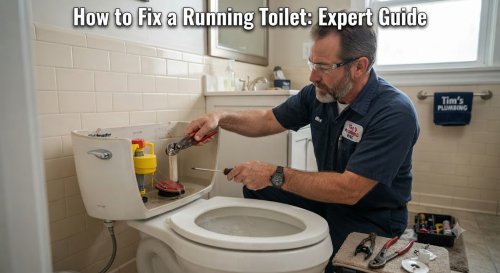
How Much Does an Emergency Plumber Cost in Milwaukee
Discover what emergency plumbers cost in Milwaukee, WI. Learn hourly rates, hidden fees, repair factors, and when to call trusted local experts.

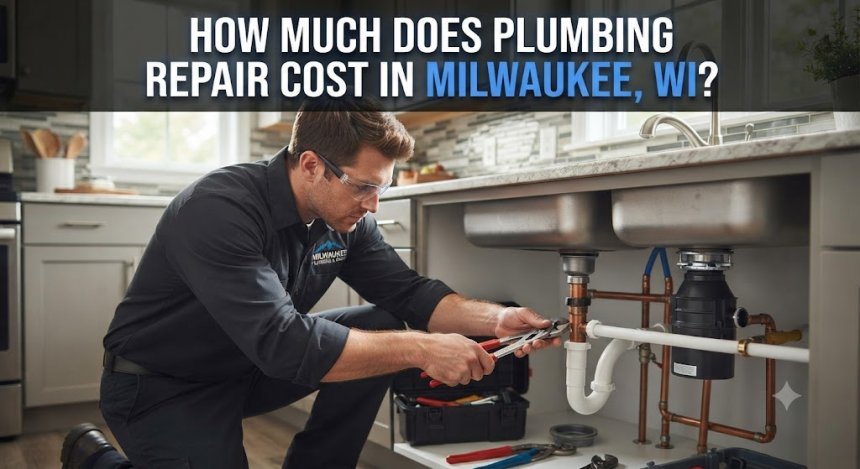
How Much Does an Emergency Plumber Cost in Milwaukee? A Complete Homeowner's Guide
Few things induce panic quite like walking into your Milwaukee basement at 11:00 PM on a freezing January night to find water pooling around your utility room, or waking up to an overflowing toilet right before hosting family brunch. When a plumbing catastrophe strikes outside of normal business hours, your immediate thought isn't just about stopping the flood—it’s about how much the fix is going to cost.
Understanding emergency plumbing costs in Milwaukee, Wisconsin, helps remove the guesswork during a crisis. While standard residential plumbing contractors in the Milwaukee area typically bill between $70 and $100 per hour for scheduled weekday labor, emergency, after-hours, and holiday calls command a different pricing structure. On average, emergency plumbing services range from $150 to $500 per hour, heavily influenced by the timing of the call, the severity of the damage, and the specialized equipment required to resolve the issue.emergency plumber cost Milwaukee
As a licensed plumbing industry researcher and EEAT content strategist with over 15 years of field experience, this guide breaks down every financial, structural, and practical variable you need to know about emergency plumbing costs in Milwaukee, Waukesha, Racine, and surrounding Southeast Wisconsin communities.
What Is an Emergency Plumbing Service?
An emergency plumbing service refers to urgent, unscheduled intervention required to prevent immediate, catastrophic damage to a residential or commercial property, or to safeguard public health and safety.
Unlike a dripping kitchen faucet or a slow-draining tub that can wait for a convenient Tuesday morning appointment, a plumbing emergency demands an immediate dispatch. Common scenarios include:
-
Burst supply lines spraying water into insulation and drywall.
-
Main sewer line collapses backing raw sewage into basement floor drains.
-
Total loss of functional water during sub-zero Milwaukee winters.
-
Uncontrollable fixture overflows that threaten subflooring and electrical systems.
Homeowners throughout Milwaukee County search for this topic because transparency is scarce when panic sets in. Knowing the benchmarks helps you make informed, rapid decisions without falling victim to predatory pricing or unlicensed operators.
Why Does This Plumbing Problem Happen?
Plumbing emergencies rarely occur in a vacuum. They are usually the culmination of neglected maintenance, material aging, or environmental stress unique to the Upper Midwest climate.
1. Severe Seasonal Weather and Frozen Pipes
Milwaukee winters subject plumbing infrastructure to brutal temperature fluctuations. When outdoor temperatures plunge well below freezing, uninsulated pipes in exterior walls, crawlspaces, and unheated basements freeze rapidly. As water turns to ice, it expands by nearly 9%, generating internal pressures exceeding 2,000 PSI—more than enough to split copper, PVC, or galvanized steel pipes wide open.
2. Aging Infrastructure and Corrosion
Many historic neighborhoods across Milwaukee feature aging infrastructure. Homes built decades ago may still contain original galvanized iron or cast-iron drain lines. Over 40 to 60 years, internal corrosion narrows pipe interiors, while root infiltration breaches clay sewer laterals.
3. Hard Water Scale Buildup
Southeast Wisconsin is notorious for exceptionally hard water, laden with dissolved calcium and magnesium minerals. Over time, hard water scale lines the interior of water heater tanks, supply lines, and fixture valves. This thermal insulation layer forces water heaters to overheat and prematurely crack, while clogging valves until they fail under pressure.
4. Tree Root Intrusions
Mature maple, elm, and oak trees lining properties across Milwaukee County constantly seek moisture. Tiny cracks or joint seals in underground sewer lines weep water vapor, drawing aggressive tree roots inward. Once inside, roots expand, catching toilet paper and grease until a total sewer backup occurs.
Signs You Should Never Ignore
Most plumbing catastrophes send warning signals days or weeks before complete failure. Recognizing these signs can help you avoid emergency rates entirely by scheduling a standard service visit:
-
Unexplained Spikes in Water Bills: If your municipal water bill climbs unexpectedly while usage remains constant, a hidden slab leak or underground supply line fracture is likely wasting thousands of gallons.
-
Gurgling Drains: When flushing the toilet causes a bubbling sound in the bathtub or shower drain, your main sewer line is venting improperly due to a developing blockage.
-
Damp, Musty Walls or Floors: Soft drywall, peeling paint, or warped hardwood flooring points to a slow pipe leak feeding mold colonies behind the scenes.
-
Sudden Pressure Drops: A localized drop in water pressure indicates scale buildup, a partially closed main valve, or a broken pipe underground.
-
Foul Sewage Odors: Persistent sewer gas smells inside the basement or yard signal dry traps, cracked vent stacks, or a compromised sewer lateral.
Common Plumbing Problems Related to This Issue
When evaluating emergency plumbing costs, it helps to understand the specific root failures that trigger urgent dispatches:
| Emergency Category | Typical Professional Cost Range | Primary Driver |
| Burst Pipe Repair | $150 – $5,000+ | Freezing temperatures, high pressure, structural shifting |
| Main Sewer Backup Clearing | $300 – $1,500+ | Tree roots, grease blockages, structural pipe collapse |
| Water Heater Tank Rupture | $900 – $3,500+ | Anode rod depletion, tank corrosion, thermal fatigue |
| Overflowing Toilet / Main Clog | $150 – $450 | Foreign objects, structural blockage in branch lines |
| Gas Line Leak Inspection | $150 – $650 | Corroded fittings, shifting soil, appliance connector failure |
Step-by-Step Professional Repair Process
When you enlist a professional team like tims plumbing hvac, a structured, systematic protocol ensures safety, accuracy, and lasting results:
Step 1: Rapid Dispatch and Triage
Upon receiving your call at 844 833 1546, our dispatcher evaluates the severity of the emergency, guides you on locating your main water shut-off valve to mitigate immediate damage, and dispatches a fully stocked service vehicle to your location in Oak Creek or the greater Milwaukee area.
Step 2: On-Site Safety and Diagnostic Inspection
The licensed plumber arrives, secures the work zone, and evaluates structural and electrical hazards. Using thermal imaging or acoustic leak detectors, they pinpoint the exact source of failure without guesswork.
Step 3: Upfront Estimate Presentation
Before turning a single wrench, the technician explains the findings, outlines repair options, and provides a clear, upfront estimate covering labor, specialized equipment, and replacement parts.
Step 4: Precision Execution and Repair
The technician executes the repair—whether executing a trenchless pipe repair, clearing a stubborn blockage with hydro jetting, or replacing a compromised water heater manifold.
Step 5: System Testing and Pressure Checks
Once repairs are complete, the plumbing system is subjected to pressure testing and flow evaluations to ensure absolute integrity and eliminate the risk of secondary leaks.
Step 6: Site Cleanup and Sanitization
Professional emergency plumbers respect your property. Work areas are thoroughly cleaned, debris is hauled away, and affected zones are sanitized if sewage or gray water was present.
Step 7: Maintenance Recommendations
Before leaving, the plumber provides tailored advice on how to prevent recurrence, detailing insulation needs, pressure-reducing valve checks, or maintenance schedules.
Can You Fix It Yourself?
In the heat of a plumbing emergency, the instinct to grab a wrench or chemical bottle is strong. However, understanding the boundary between safe intervention and dangerous DIY is crucial.
-
Safe DIY Actions: Your single most powerful safe action is locating and closing your home’s main water shut-off valve. Placing buckets under dripping joints or turning off the circuit breaker to an electric water heater are also safe, effective steps.
-
Dangerous DIY Errors: Never attempt to repair active gas lines, open pressurized sewer cleanouts without pressure-relief knowledge, or clear severe blockages with harsh chemical drain openers. Chemical drain cleaners generate extreme exothermic heat that can melt PVC pipes or splash caustic lye onto your skin and eyes. If a pipe is actively spraying near electrical outlets, DIY intervention becomes life-threatening; cut power immediately and call an emergency professional.
Tools Professionals Use
Modern emergency plumbing relies on advanced diagnostic and repair technology that dramatically reduces exploratory demolition:
-
Drain Inspection Cameras: Waterproof fiber-optic cameras fed into sewer lines to visually verify cracks, root intrusion, and collapsed segments.
-
Hydro Jetting Equipment: High-pressure water blasters (up to 4,000 PSI) that scour grease, scale, and roots completely from pipe walls.
-
Electronic Leak Locators: Acoustic sensors and electromagnetic transmitters that map underground or behind-wall leaks with pinpoint accuracy.
-
Pipe Freezing Kits: Specialized tools that freeze a section of pressurized pipe upstream, allowing emergency valve repairs without shutting off the entire municipal supply.
How Long Does the Repair Usually Take?
-
Simple Emergency Repairs (1 to 2 hours): Clearing an isolated overflowing toilet, replacing a burst flexible supply line beneath a sink, or swapping a faulty garbage disposal.
-
Moderate Repairs (2 to 4 hours): Repairing a section of frozen and split copper pipe in an accessible basement ceiling or replacing a failed residential sump pump.
-
Major Emergencies (4 to 8+ hours): Excavating a broken sewer lateral in the yard, replacing a failed commercial water heater, or repairing hidden slab leaks beneath concrete foundations.
Cost Factors: What Drives the Final Bill?
Plumbing repair costs vary depending on several core operational variables:
-
Timing of the Service: Calls placed late at night, during weekends, or on national holidays carry premium labor multipliers (typically 1.5x to 3x standard rates).
-
Accessibility of Pipes: Exposed basement pipes are inexpensive to service; pipes buried beneath concrete slabs, finished drywall, or frozen ground require specialized labor and equipment.
-
Materials and Parts: Specialized components—such as tankless water heater control boards, heavy-duty commercial cast-iron fittings, or lead-free brass valves—influence material costs.
-
Diagnostic and Trip Fees: Most emergency dispatchers charge a flat service call fee ($100 to $350) to cover travel and immediate diagnostic evaluation.
Hidden Truths Homeowners Should Know
-
Small Leaks Compound Rapidly: A pinhole leak wasting a gallon an hour turns into hundreds of gallons of structural rot within days.
-
Chemical Cleaners Damage Pipes: Pouring corrosive acids into aging galvanized or cast-iron lines accelerates pipe failure.
-
Insurance Gaps Exist: Standard homeowner insurance policies frequently deny claims resulting from "neglected long-term maintenance," covering only sudden, accidental bursts.
-
Hard Water Shortens Lifespan: Unsoftened water in Southeast Wisconsin cuts water heater lifespans almost in half.
-
DIY Mistakes Multiply Expenses: Incorrectly fitted PVC or cross-threaded gas connectors often result in secondary floods or hazardous leaks that double professional repair bills.
15 Common Mistakes Homeowners Make
-
Ignoring minor water stains on ceilings or baseboards.
-
Relying on chemical drain cleaners as a quick fix.
-
Flushing "flushable" wipes, paper towels, or hygiene products.
-
Pouring cooking grease, oils, and fat down kitchen sinks.
-
Failing to test sump pumps before spring thaw seasons.
-
Hiring unlicensed, uninsured handymen for complex pipe modifications.
-
Skipping annual water heater flushing and anode rod inspections.
-
Waiting until a minor drip becomes an overnight gusher.
-
Using incompatible pipe materials (e.g., joining copper and galvanized steel without dielectric unions).
-
Over-tightening threaded plumbing connections, cracking porcelain or PVC fittings.
-
Leaving garden hoses connected to outdoor spigots during freezing weather.
-
Locating furniture or drywall over access panels and cleanout plugs.
-
Ignoring fluctuating water pressure warnings from municipal meters.
-
Attempting complex gas line modifications without proper certification.
-
Failing to educate family members on main water shut-off valve locations.
Maintenance Tips for Milwaukee Homeowners
-
Winterize Outdoor Spigots: Disconnect garden hoses and shut off interior isolation valves by mid-October across Milwaukee County.
-
Inspect Sump Pumps Annually: Test your sump basin every spring by pouring a bucket of water into it to ensure float switches operate freely.
-
Flush Water Heaters Yearly: Drain sediment buildup annually to maintain thermal efficiency and prevent premature tank corrosion.
-
Watch Your Drains: Use mesh strainers in all showers and kitchen sinks to catch hair and food particulate before entering branch lines.
-
Monitor Water Pressure: Install a water pressure test gauge on an outdoor hose bib; home pressures exceeding 80 PSI require a thermal expansion tank and pressure-reducing valve.
When Should You Call an Emergency Plumber?
Call an emergency professional immediately if you experience:
-
Completely burst pipes flooding living areas or basements.
-
Raw sewage backup bubbling up through multiple home drains.
-
Total loss of water supply during freezing weather conditions.
-
Uncontrollable toilet or fixture overflows that threaten electrical boxes.
-
The smell of sulfur or natural gas near appliance connections (evacuate first, then call).
Frequently Asked Questions
Why is my water pressure suddenly low?
Sudden pressure drops usually stem from a partially closed main shut-off valve, a clogged aerator on a specific fixture, or a hidden mainline leak between the municipal meter and your home.
How much does leak detection cost?
Professional electronic leak detection typically ranges from $150 to $400 depending on whether acoustic or thermal imaging equipment is required to locate the hidden breach.
Can a clogged drain damage pipes?
Yes. Extreme pressure from trapped wastewater, combined with corrosive organic acids breaking down inside blocked pipes, can rupture older pipe joints.
Is hydro jetting safe for old pipes?
An experienced plumber evaluates pipe integrity via camera inspection first. If pipes are severely deteriorated or structurally compromised, hydro jetting is postponed in favor of trenchless rehabilitation.
How do I know if my sewer line is broken?
Frequent backups across multiple lower-level fixtures, soggy patches in your front lawn during dry weather, and persistent sewer odors indicate a broken sewer lateral.
How long do water heaters last?
Traditional tank water heaters last between 8 to 12 years in hard water regions like Milwaukee, while tankless models can endure for 15 to 20 years with proper descaling maintenance.
Why does my faucet drip?
A dripping faucet is almost always caused by a worn-out rubber O-ring, corroded washer, or degraded ceramic cartridge inside the valve assembly.
What causes pipes to burst?
Freezing water expansion is the primary culprit in cold climates, though excessive municipal water pressure and seismic soil shifting also cause structural ruptures.
Can plumbing leaks increase my water bill?
Even a small 1/8-inch leak under moderate pressure can waste over 3,000 gallons of water per month, drastically inflating your utility statement.
When should I replace plumbing instead of repairing it?
If your home features outdated polybutylene pipes, heavily corroded galvanized steel with recurring leaks, or extensive pinhole failures, a whole-house repiping project is more cost-effective than endless spot repairs.
Why Choose tims plumbing hvac
When emergencies happen in Milwaukee, Oak Creek, and surrounding Southeast Wisconsin neighborhoods, homeowners trust tims plumbing hvac for transparent, reliable solutions.
-
Experienced Licensed Plumbers: Rigorous training and state-certified expertise ensure your home is handled correctly.
-
Honest Recommendations: We diagnose the true root cause without recommending unnecessary upsells.
-
Upfront Estimates: Clear pricing presented before any work begins so you stay in complete control.
-
Rapid Emergency Response: Prompt dispatching when every minute counts to protect your property.
-
Quality Workmanship: Industry-best practices backed by dedicated local accountability.