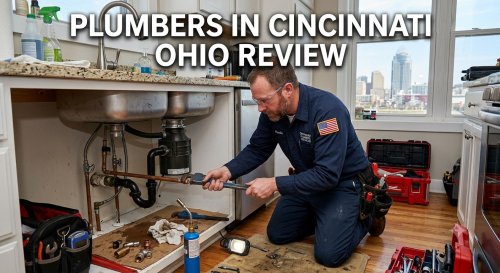
Plumbers In Cincinnati Ohio Review
Review of Plumbers In Cincinnati Ohio, covering services, emergency plumbing, local issues, costs, maintenance, and hiring questions.

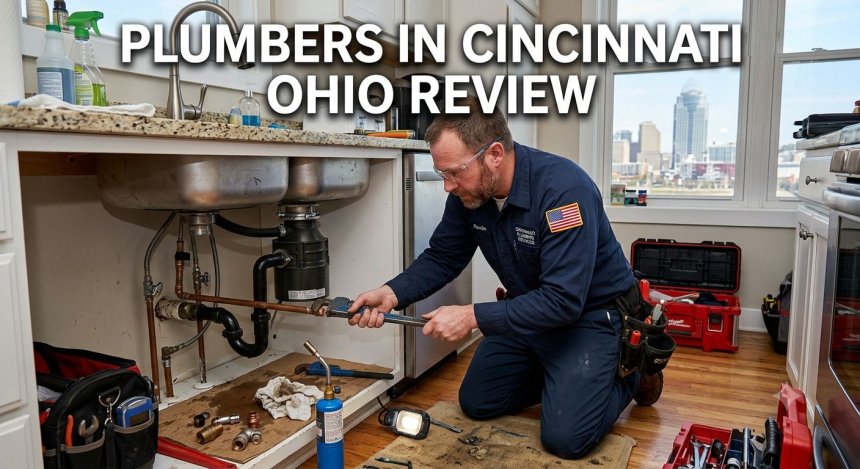
A plumbing problem rarely arrives at a convenient time. A pipe can split during a freezing night, a water heater can stop producing hot water before work, or a slow kitchen drain can suddenly become a standing-water problem.
For homeowners searching for Plumbers In Cincinnati Ohio, the important question is not simply whether a company can send someone to the property. The better questions are what type of plumbing work they handle, how they diagnose the problem, what the repair is expected to involve, and what you should confirm before authorizing the work.
This review looks at Plumbers In Cincinnati Ohio from that practical homeowner perspective.
What Plumbers In Cincinnati Ohio Is a Fit For
Plumbers In Cincinnati Ohio is presented as a local plumbing-focused business serving the Cincinnati, Ohio area. The supplied website is Plumbers In Cincinnati Ohio and the contact number supplied for this feature is 844-973-0400.
Because the company's detailed service menu, licensing information, warranty terms, pricing structure, and customer-review data were not independently verified for this article, homeowners should confirm those details before scheduling.
A plumbing company in this market may be a useful fit for homeowners dealing with leaking pipes, clogged drains, water-heater problems, fixture failures, sewer or water-line issues, or plumbing emergencies. The exact scope of Plumbers In Cincinnati Ohio's services should be confirmed directly.
For larger projects, ask whether the company handles the complete job or brings in another licensed trade or specialist where necessary.
Common Plumbing Services to Discuss
1. Drain Cleaning and Clog Diagnosis
A slow drain is not always just a simple clog.
Hair, grease, soap residue, food particles, mineral buildup and foreign objects can restrict a drain. A recurring blockage may point to a deeper problem in the branch drain or sewer line.
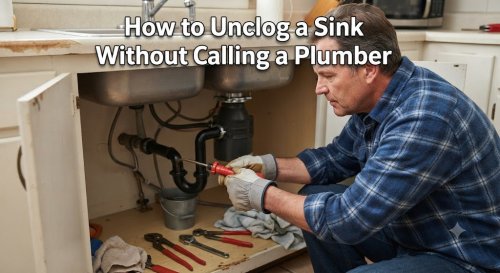
A proper technician should determine whether the obstruction is localized or part of a larger drainage problem. For difficult or recurring blockages, homeowners can ask whether the plumber uses a drain camera or other diagnostic equipment.
Chemical drain cleaners are also worth discussing. They may temporarily clear some obstructions, but repeated use can damage certain plumbing components and does not address structural problems inside a drain or sewer line.
2. Leak and Pipe Repair
Leaks range from a loose connection under a sink to a damaged water line hidden behind a wall.
The visible water is not necessarily where the failure originated. A technician should look at the pipe material, fittings, water pressure, surrounding moisture and accessibility before recommending a repair.
For a concealed leak, ask whether the plumber will explain the suspected source and how the location was determined.
If the pipe is badly corroded or repeatedly failing, replacing one short section may only postpone another problem. In that situation, it is reasonable to ask whether partial repair or broader replacement makes more sense.
3. Water Heater Problems
No hot water, inconsistent temperature, leaking tanks and unusual noises can all indicate different water-heater problems.
A technician should identify whether the unit is gas or electric, check the relevant controls and safety components, inspect connections and determine whether the problem is repairable.
Homeowners should ask for the diagnosis before agreeing to replacement. If replacement is recommended, compare the proposed tank size, energy source, installation requirements, warranty and total installed cost.
4. Sewer or Main-Line Problems
Repeated backups, multiple slow drains, sewage odors or wastewater returning through a lower-level fixture can indicate a problem farther down the drainage system.
A professional evaluation may involve checking cleanouts and, when appropriate, using a sewer camera to identify roots, breaks, offsets, heavy buildup or other obstructions.
Do not assume that a single drain clog and a main sewer problem are the same repair. The diagnostic approach and potential cost can be very different.
Cincinnati Plumbing Conditions Homeowners Should Understand
Cincinnati has an important combination of cold winters and older housing infrastructure. Greater Cincinnati Water Works specifically warns residents about frozen pipes and recommends insulating exposed plumbing in areas such as crawl spaces, garages, attics and unheated basements.
Freezing conditions can be particularly troublesome when a pipe is exposed to cold air for an extended period. Homeowners should know where the main water shutoff is located before an emergency occurs.
Cincinnati's older housing stock also makes plumbing-material questions important. Greater Cincinnati Water Works notes that some older service lines and household plumbing components can contain lead, although the city's treated water leaves the treatment plant without detectable lead.
If you own an older Cincinnati property, ask about the material of the water service line and interior plumbing before undertaking major water-line work. GCWW provides a lead-service-line lookup resource and offers lead testing information for customers.
This is one area where a plumber and the local water utility may both have useful information.
What Affects Plumbing Repair Cost?
Plumbing prices vary substantially because the same symptom can have several different causes.
General industry estimates — not prices for Plumbers In Cincinnati Ohio: published consumer cost guides commonly place ordinary household plumbing repairs in ranges such as roughly $100–$500 for a leak, $100–$300 for a faucet repair, $200–$500 for a toilet issue, and $100–$200 for a clogged drain. Actual Cincinnati pricing can differ based on labor, parts, access, urgency and the complexity of the problem.
For water-line work, Forbes Home reports a broad national repair range of approximately $350–$1,575, with an average around $950 in its cited data. Underground work can cost substantially more because excavation and restoration may be required.
Other factors include:
- Pipe material and fitting type
- Accessibility of the damaged plumbing
- Amount of demolition required
- Emergency or after-hours scheduling
- Permit requirements
- Replacement-part availability
- Water damage cleanup
- Excavation or concrete removal
- Whether a repair or full replacement is necessary
These figures are only general reference points. Ask Plumbers In Cincinnati Ohio directly for its current diagnostic fees, labor structure, estimates, emergency charges and warranty terms.
When Is Plumbing an Emergency?
Not every leak requires an emergency call, but some situations should not wait.
Treat these as potentially urgent:
- A burst or rapidly leaking pipe
- Water pouring from a ceiling or wall
- A sewage backup entering the home
- No way to shut off a major water leak
- A failed water heater that is actively leaking
- A frozen pipe that has split
- A major loss of water service caused by a private plumbing failure
First, shut off the water if you can safely identify the correct valve.
For a significant leak, move electrical equipment away from standing water only if you can do so without entering a dangerous area. Do not operate electrical equipment while standing in water.
During freezing conditions, Cincinnati's water utility recommends turning off water and the water heater if a pipe has split. It also advises against using an open flame to thaw frozen plumbing.
If gas is involved, do not attempt unsafe DIY repairs. Leave the area and contact the appropriate emergency service when necessary.
Questions to Ask Before Hiring a Cincinnati Plumber
Before approving work, ask:
- What do you believe is causing the problem?
- Is the diagnosis confirmed or still preliminary?
- What repair options are available?
- What will the labor and materials cost?
- Are there additional emergency, diagnostic or after-hours charges?
- Will a permit or inspection be required?
- Is the proposed repair temporary or intended as a long-term solution?
- What warranty applies to labor and replacement parts?
- If you discover additional damage, will you contact me before doing extra work?
- Can you provide your applicable Ohio license information or local registration details?
Ohio law provides for state plumbing-contractor licensing through the Ohio Construction Industry Licensing Board, while municipalities can also regulate plumbing contractors under applicable law.
That does not mean a homeowner should assume a particular company holds a particular credential. Verify the applicable information before hiring.
A Simple Call Option for Homeowners
If you are placing this article on a website and want a direct contact option in the middle of the page, the supplied phone number can be used like this:
The phone number above is the contact information supplied for this article. Confirm that it is still the correct booking number before publication.
6 Practical Plumbing Maintenance Tips
1. Know your main shutoff.
Everyone in the household should know where it is and how to operate it.
2. Protect exposed pipes before freezing weather.
Insulate vulnerable plumbing in crawl spaces, garages and other cold areas. Cincinnati's water utility specifically recommends this preparation.
3. Do not ignore recurring clogs.
If the same drain repeatedly blocks after cleaning, investigate the underlying cause instead of repeatedly treating the symptom.
4. Watch your water bill.
An unexplained increase can be an early sign of a hidden leak.
5. Check under sinks periodically.
Look for moisture around supply lines, shutoff valves, traps and connections.
6. Pay attention to older plumbing materials.
If you own an older Cincinnati home, find out what materials make up the water service line and interior plumbing, particularly if you are planning a major renovation or water-line replacement. GCWW provides resources for identifying potential lead-service-line concerns.
FAQ: Plumbers In Cincinnati Ohio
Is Plumbers In Cincinnati Ohio a local plumbing company?
The business is presented for this feature as serving Cincinnati, Ohio. Its supplied website is plumbersincincinnatiohio.com. Homeowners should confirm its current service area and exact service offerings directly before booking.
What plumbing problems should I call a professional for?
Major leaks, burst pipes, sewer backups, concealed leaks, persistent drain problems, water-line failures and water-heater issues are all reasonable reasons to seek professional plumbing assistance.
How much does a plumber cost in Cincinnati?
There is no single Cincinnati-wide price. Published national consumer estimates vary by repair type, labor, materials and location. For example, Forbes Home lists broad household ranges for leaks, faucets, toilets and clogged drains, but those should not be treated as Plumbers In Cincinnati Ohio's prices.
Can frozen pipes burst?
Yes. Water expands as it freezes, increasing pressure inside a closed plumbing section. Cincinnati's water utility specifically warns about frozen pipes and recommends insulating exposed plumbing before freezing weather.
What should I do if a pipe bursts?
Turn off the main water supply and, where appropriate, the water heater. Open faucets to reduce pressure and contact a qualified plumber. If water is near electrical equipment, prioritize safety rather than attempting to reach the equipment.
Should an old Cincinnati home have its plumbing inspected?
It can be sensible, particularly when you see recurring leaks, low pressure, discolored water, outdated pipe materials or drainage problems. Older properties may also warrant checking service-line materials because Cincinnati has been replacing historical lead service lines.
Should I get a written estimate?
For anything beyond a straightforward repair, a written estimate or clearly documented scope is useful. Ask what is included, what could increase the price and whether additional work requires your approval.
What should I confirm with Plumbers In Cincinnati Ohio before booking?
Confirm the technician's applicable credentials, service area, availability, diagnostic fee, labor/pricing structure, emergency charges, warranty, payment terms and the exact work included. If a credential or warranty is not shown publicly, ask the company directly.
Final Assessment: What to Confirm Before Booking
Plumbers In Cincinnati Ohio may be worth considering for homeowners who want to discuss plumbing repairs or maintenance in the Cincinnati area, but this partner feature should not be read as proof of specific licensing, years of operation, awards, review totals or guaranteed outcomes.
The practical approach is straightforward: explain the plumbing problem, ask how the technician will diagnose it, request the expected scope of work and confirm the price structure before authorizing repairs.
For an older Cincinnati property, also ask about pipe materials, water-line conditions and whether the proposed repair addresses the underlying problem rather than only the visible symptom.
Before scheduling, confirm the company's current service area, credentials, emergency availability, warranty terms and the correct contact number 844-973-0400 directly with Plumbers In Cincinnati Ohio