How to Unclog a Sink Without Calling a Plumber | Tims Plumbing HVAC
Learn how to safely unclog a sink in Milwaukee. Discover DIY fixes, warning signs, professional steps, and when to call Tims Plumbing HVAC.
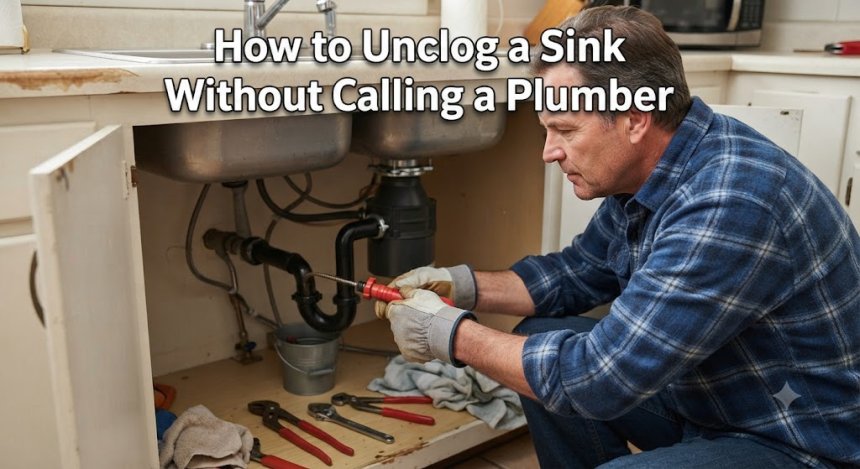
How to Unclog a Sink Without Calling a Plumber
Standing water pooling around the kitchen or bathroom basin is a frustrating household nuisance that nearly every homeowner experiences at some point. Learning how to unclog a sink safely can save you time and money, especially when dealing with minor blockages caused by everyday buildup. In Milwaukee, WI, fluctuating seasonal temperatures and mineral-heavy municipal water can exacerbate slow drains in older homes across neighborhoods like Bay View, Riverwest, and the Historic Third Ward. Understanding what causes these blockages, which temporary fixes actually work, and when a stubborn stoppage requires professional intervention from Tims Plumbing HVAC is essential for protecting your home’s plumbing infrastructure.
What Is a Sink Drain Blockage?
A sink clog occurs when debris, grease, hair, soap scum, or foreign objects accumulate inside the P-trap or main branch lines, severely restricting or completely halting wastewater drainage.
-
Definition: A physical restriction in the piping system that prevents greywater from flowing freely into the municipal sewer or septic system.
-
Common Situations: Kitchen sinks clogging due to congealed fats, cooking oils, and food particles; bathroom sinks backing up from hair and cosmetic product residue.
-
Symptoms: Water draining sluggishly, unpleasant gurgling sounds, foul odors emanating from the drain opening, or complete pooling in the basin.
-
Real-World Example: Washing dishes after a heavy meal and noticing the soapy water refuses to clear, leaving a greasy film and stagnant water sitting in the basin.
Why Does This Plumbing Problem Happen?
Sink blockages develop gradually or strike suddenly depending on daily usage habits, pipe integrity, and environmental factors unique to the local water supply.
-
Hard Water Mineral Buildup: Milwaukee area water contains high mineral content that coats the interior of galvanized and copper pipes over time, narrowing the internal diameter and catching debris.
-
Grease and Oil Accumulation: Pouring liquid grease down the kitchen sink causes it to solidify inside cold pipes, creating a sticky trap that catches food scraps.
-
Hair and Soap Scum: In bathroom sinks, human hair binds with sticky soap residue, forming dense, fibrous masses just beneath the stopper.
-
Improper Disposal: Flushing coffee grounds, eggshells, starchy foods, or sanitary items down residential drains instead of utilizing the trash or compost.
-
Vented Line Issues: Blocked or damaged plumbing vent stacks prevent air circulation, creating vacuum pressure that slows down sink drainage regardless of clean pipes.
Signs You Should Never Ignore
Ignoring minor drainage issues often leads to catastrophic plumbing failures that damage cabinetry, flooring, and structural subfloors.
-
Persistent Slow Drains: When multiple fixtures drain slowly at once, it points toward a deeper mainline restriction rather than a localized sink clog.
-
Foul Odors: Rotting organic matter trapped inside the P-trap or pipe walls emits sewer gases up through the drain.
-
Gurgling Sounds: Air escaping through the drain when other fixtures are used indicates improper venting or a developing blockage.
-
Water Stains or Damp Cabinets: Leaking PVC slip-joints or corroded metal tailpieces beneath the sink signal immediate hardware failure.
Step-by-Step Professional Repair Process
When a blockage surpasses the capability of consumer plungers or hand augers, licensed professionals utilize a systematic approach to restore full flow.
-
Step 1: Visual Inspection: The plumber inspects the fixture, tailpiece, P-trap, and surrounding cabinetry for leaks and structural wear.
-
Step 2: Diagnostic Evaluation: Using specialized miniature drain cameras, the technician identifies the exact nature, density, and location of the obstruction.
-
Step 3: Upfront Estimate: The homeowner receives a clear, transparent cost breakdown before any physical work begins.
-
Step 4: Mechanical Clearing: Technicians deploy professional-grade drum augers or motorized sectional machines to break through stubborn blockages safely.
-
Step 5: Flow and Pressure Testing: Water is run through the fixture at high volume to ensure proper clearance and verify joint integrity.
-
Step 6: Worksite Cleanup: Technicians sanitize the work area, remove all debris, and leave the under-sink storage space pristine.
-
Step 7: Maintenance Guidance: The plumber provides tailored advice regarding local water conditions and preventative care habits.
Can You Fix It Yourself?
Many household blockages can be safely resolved using basic mechanical tools without calling a professional.
-
Safe DIY Solutions: Pouring a kettle of boiling water down metal pipes (avoid on PVC), using a standard cup plunger with the overflow vent sealed with a damp cloth, or removing and manually cleaning the P-trap wrench-free.
-
Temporary Fixes: Using a flexible plastic zip-strip drain cleaning tool to pull hair clogs out of bathroom pop-up assemblies.
-
When DIY Becomes Dangerous: Pouring harsh chemical drain cleaners repeatedly into standing water, which can splash caustic liquids onto skin or corrode fragile, aging brass and cast-iron pipes.
-
When Professional Help is Necessary: If plunging or trap-cleaning fails, or if water begins backing up into shower pans and floor drains when the sink is used.
Common Plumbing Problems Related to This Issue
-
Pipe Leaks: Excessive pressure from a downstream blockage forces water out through weakened threaded connections and worn rubber washers.
-
Sewer Backups: Mainline tree root intrusion or municipal line collapses can cause sink drains to back up with raw sewage throughout the home.
-
Fixture Corrosion: Standing acidic water and harsh chemical cleaners prematurely degrade metal strainer baskets, stoppers, and escutcheons.
Tools Professionals Use
-
Drain Inspection Cameras: Waterproof fiber-optic scopes that display real-time video footage of pipe interiors on digital monitors.
-
Motorized Drain Augers: Heavy-duty cable snakes powered by electric motors designed to cut through stubborn grease and root masses.
-
Hydro Jetting Equipment: High-pressure water blasters operating up to 4,000 PSI that scour pipe walls completely clean of scale and grease.
-
Pipe Locators: Electromagnetic transmitters used above ground to pinpoint the exact depth and path of underground drain lines.
How Long Does the Repair Usually Take?
-
Simple Trap Cleaning: 30 to 45 minutes for a technician to remove, clear, and reinstall a standard P-trap assembly.
-
Mechanical Snaking: 1 hour to clear branch lines running from the sink to the main stack.
-
Mainline Hydro Jetting: 2 to 4 hours depending on the extent of root intrusion or scale buildup.
-
Factors Affecting Time: Pipe accessibility, age of the plumbing system, severity of the blockage, and whether structural modifications are required.
Cost Factors
Plumbing repair investments vary based on several distinct logistical and mechanical variables.
-
Diagnostic and Service Fees: Initial travel and troubleshooting costs required to assess the problem.
-
Labor and Accessibility: Hard-to-reach pipes enclosed behind custom cabinetry or concrete slabs require extra time and specialized access methods.
-
Materials and Parts: Replacing corroded brass tailpieces, slip-joint washers, shut-off valves, or damaged PVC piping.
-
Emergency Dispatch Charges: Premium rates applied for after-hours, weekend, or holiday service calls across Milwaukee and surrounding areas like Wauwatosa, West Allis, and Brookfield.
Hidden Truths Homeowners Should Know
-
Small Leaks Become Expensive Repairs: A slow drip beneath the basin rots subfloors and breeds toxic mold colonies within weeks.
-
Chemical Cleaners Fail: Liquid store-bought drain openers rarely clear heavy grease or tree roots; instead, they sit against the clog and eat away at metal pipe walls.
-
Insurance Caveats: Standard homeowner insurance policies frequently deny coverage for water damage resulting from neglected, long-term plumbing leaks.
-
Hard Water Tolls: Mineral scale accumulation reduces water heater efficiency and restricts flow throughout every fixture in the house.
15 Common Mistakes Homeowners Make
-
Pouring hot cooking grease down kitchen sink drains.
-
Using corrosive chemical drain openers on old galvanized pipes.
-
Forgetting to place a bucket under the P-trap before loosening slip-nuts.
-
Over-tightening plastic PVC slip-nuts, which strips threads and cracks washers.
-
Flushing baby wipes, paper towels, or hygiene products down toilets connected to shared drain lines.
-
Ignoring slow-draining sinks until total blockage occurs.
-
Hiring unlicensed, unverified handymen for complex plumbing overhauls.
-
Skipping annual plumbing inspections and preventative maintenance.
-
Forcing mismatched pipe fittings together during DIY repairs.
-
Failing to locate the main water shut-off valve before attempting repairs.
-
Using wire coat hangers that scratch porcelain or puncture thin pipe walls.
-
Ignoring dripping faucets that waste hundreds of gallons monthly.
-
Neglecting to test fixtures for leaks after completing maintenance.
-
Disposing of coffee grounds and starchy food waste down garbage disposals without running cold water.
-
Delaying professional diagnostics when foul odors persist.
Maintenance Tips
-
Flush with Hot Water: Run steaming hot water down kitchen drains weekly to liquefy minor soap and grease buildup.
-
Install Mesh Strainers: Place fine mesh strainers over all bathroom and kitchen drain openings to catch hair and food scraps.
-
Avoid Grease Disposal: Collect cooking oil in disposable containers rather than washing it down the drain.
-
Enzyme Treatments: Use monthly bio-enzymatic drain maintenance products that naturally digest organic waste without harming pipes.
-
Seasonal Drain Checks: Inspect under-sink cabinets in autumn before winter freezes drop indoor temperatures near exterior walls.
-
Mind the Garbage Disposal: Feed food waste in small increments while running a strong stream of cold water for 15 seconds after grinding stops.
-
Clean Stopper Assemblies: Remove and clean bathroom sink pop-up stoppers quarterly to clear trapped hairballs.
-
Check Supply Hoses: Inspect braided steel supply lines annually for fraying or bulging.
-
Test Shut-Off Valves: Turn under-sink angle stops off and on once a year to prevent them from seizing up.
-
Monitor Water Pressure: Install a pressure-reducing valve if household water pressure exceeds 80 PSI to protect fixtures.
-
Professional Descaling: Schedule professional descaling for homes with aggressive hard water.
-
Address Drips Promptly: Replace worn O-rings and washers at the first sign of a faucet leak.
-
Educate Family Members: Ensure everyone in the household understands what cannot be put down drains.
-
Inspect Vent Stacks: Keep roof vent pipes clear of leaves, nests, and winter ice accumulation.
-
Keep Emergency Numbers Handy: Save reliable local plumbing contacts before an urgent crisis occurs.
When Should You Call an Emergency Plumber?
-
Severe Sewage Backups: Raw wastewater spilling out of floor drains or multiple plumbing fixtures.
-
Burst Supply Pipes: High-pressure water gushing from broken copper or PEX lines behind walls or beneath sinks.
-
Total Water Loss: Complete interruption of the water supply to the home.
-
Uncontrollable Leaks: Failure of main water shut-off valves during an active plumbing leak.
Frequently Asked Questions
-
Why is my water pressure suddenly low? Mineral buildup in aerators, closed shut-off valves, or a hidden mainline leak typically causes sudden pressure drops.
-
How much does leak detection cost? Costs vary based on equipment required, but professional electronic detection ensures accurate diagnosis without destructive exploratory demolition.
-
Can a clogged drain damage pipes? Yes, standing pressure and corrosive stagnant water can weaken pipe joints and cause structural ruptures over time.
-
Is hydro jetting safe for old pipes? Technicians adjust water pressure ratings based on a preliminary camera inspection to ensure safe cleaning without damaging sound pipe walls.
-
How do I know if my sewer line is broken? Multiple slow drains, foul odors in the yard, and wet patches on the lawn are classic indicators of mainline failure.
-
How long do water heaters last? Standard tank water heaters typically last between 8 to 12 years with routine annual flushing and anode rod replacement.
-
Why does my faucet drip? Worn internal cartridges, damaged rubber washers, or mineralized valve seats usually cause persistent dripping.
-
What causes pipes to burst? Freezing winter temperatures, severe corrosion, and excessive internal water pressure are the primary culprits.
-
Can plumbing leaks increase my water bill? Even a small continuous leak wastes thousands of gallons annually, driving up municipal utility bills.