What to Do in the First 5 Minutes of a Plumbing Emergency
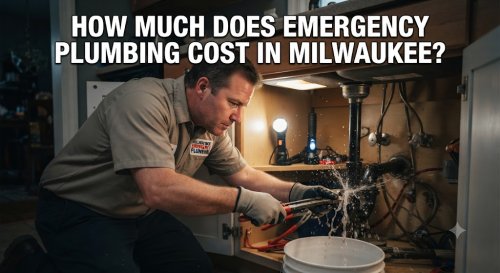
When a pipe bursts, a sewer line backs up, or a water heater ruptures, panic is your worst enemy. Taking clear, immediate steps within the first few minutes protects your flooring, walls, and personal belongings from thousands of dollars in water damage.
Follow these critical containment steps immediately:
-
Shut Off the Water Source: If the problem is isolated to a single fixture (such as an overflowing toilet or leaking sink), turn the fixture's local valve clockwise until tight. If water is gushing from an unknown location, running through ceilings, or flooding a lower level, turn off your home's main water supply valve right away.
-
Safely Manage Electrical Hazards: If water is pooling near electrical outlets, light fixtures, or your service panel, do not step into standing water to reach switches. Shut off power to affected circuits from your main breaker box only if you can safely access it without walking through damp areas.
-
Drain the Remaining System Pressure: Once the main water valve is completely closed, open a high-level faucet and the lowest faucet in your house (such as a basement laundry sink or exterior hose bib). This drains residual water from supply pipes rather than letting it leak out of the break point.
-
Collect and Divert Standing Water: Place buckets, plastic tubs, or deep pots directly under active leaks. Use a wet/dry shop vacuum, old towels, or squeegees to remove water from hardwood floors, carpets, and subflooring before it soaks into structural materials.
-
Safely Relieve Trapped Ceiling Water: If water is pooling above a ceiling and causing the drywall to sag or bubble, do not stand directly beneath it. Place a large bucket underneath, take a screwdriver or broom handle, and carefully poke a single small hole in the center of the bulge to drain the water controllably.
How to Locate Your Main Water Shutoff in Hermon, ME
During an active leak or pipe burst, knowing exactly where your main water shutoff valve is located can save your home from severe structural damage.
In Hermon and across Penobscot County, local homes are built to withstand deep winter freezes. Water supply lines are buried deep below the regional frost line and enter homes lower down to prevent freezing. As a result, main valves are almost always located indoors rather than outside on a meter pit.
Typical Shutoff Locations in Local Homes
-
Basements & Foundations: Look along the interior perimeter wall facing the street or private well head. The valve sits on the main pipe right where it enters through the concrete foundation floor or wall.
-
Near Well Pressure Tanks: If your property uses a private well, the main shutoff valve is typically located on the incoming line right next to your well pressure tank—usually in a utility room, basement, or mechanical closet.
-
Slab-on-Grade Utility Closets: For homes built on concrete slabs or crawl spaces, check inside mechanical rooms near the water heater or laundry area.
          [Ball Valve - Modern]                   [Gate Valve - Older]

         OPEN          CLOSED                    OPEN          CLOSED
          |               |                       ___           ___
       [=====]         [  =  ]                   (   )         (   )
          |               |                        |             |
     (Parallel)     (Perpendicular)           (Turn Left)   (Turn Right)
-
Ball Valves (Lever Handle): Found in most modern plumbing systems. Turn the handle 90 degrees so it stands perpendicular (at a right angle) to the pipe. When the handle forms a "T" with the pipe, the water is off.
-
Gate Valves (Wheel Handle): Common in older or rural properties. Turn the wheel handle clockwise (to the right) until it stops completely. Turn gently without forcing it, as aged metal stems can seize or break if turned too hard.
Critical "What NOT to Do" During a Plumbing Emergency
When water is running or a drain is backing up, making quick assumptions can make the problem significantly worse. Avoid these common mistakes:
-
DO NOT pour chemical drain openers into clogged lines: Chemical drain cleaners contain harsh caustics that can generate heat, melt plastic PVC fittings, corrode older metal drain pipes, and create severe chemical burn hazards for plumbers performing mechanical drain clearing.
-
DO NOT use open flames to thaw frozen pipes: Using a propane torch to thaw frozen lines is a major home fire risk and heats pipes too quickly, causing trapped water to vaporize into steam and split the pipe.
-
DO NOT attempt temporary patches on pressurized lines: Duct tape, electrical tape, hose clamps, or putty will not reliably hold standard household water pressure (40–70 PSI). They often fail unexpectedly, causing sudden flooding when unmonitored.
-
DO NOT force stiff or rusted valves: If a gate valve or main valve feels stuck, forcing it with heavy pliers can snap the internal stem, leaving the valve permanently stuck open or broken off in your hand.
-
DO NOT ignore minor sewage or gas smells: Sump pump overflows, drain backups, or sewer odors indicate waste line failures or venting problems that can release hazardous gases into your living spaces.
Primary Types of Household Plumbing Emergencies
+---------------------------+-----------------------------------+-----------------------------------+
| Emergency Type            | Primary Warning Symptoms          | Immediate Safety Action           |
+---------------------------+-----------------------------------+-----------------------------------+
| Freeze-Thaw Pipe Burst    | Sudden loss of flow, cracking     | Shut off main water valve; drain  |
|                           | noises, flooding upon thawing     | remaining system pressure         |
+---------------------------+-----------------------------------+-----------------------------------+
| Water Heater Failure      | Pooling under tank, loud rumbling,| Shut off cold water inlet valve;  |
|                           | rusty water, no hot water         | turn off power/gas control        |
+---------------------------+-----------------------------------+-----------------------------------+
| Main Sewer Drain Backup   | Multiple fixtures backed up, waste| Stop running all water in home;   |
|                           | coming up basement drains         | avoid flushing toilets            |
+---------------------------+-----------------------------------+-----------------------------------+
| High Pressure Joint Failure| Rattling pipes, sudden wall wet   | Shut off water; turn off electrical|
|                           | spots, failing appliance lines    | breakers near wet drywall         |
+---------------------------+-----------------------------------+-----------------------------------+
1. Burst Pipes from Deep Winter Freezes
Winter weather in northern Maine frequently brings sub-zero spells. When water inside exposed pipes freezes, it expands by roughly 9%. This expansion builds hydraulic pressure inside the line until the wall of the pipe splits. Often, ice acts as a temporary plug until ambient temperatures rise—causing a major burst when the frozen line thaws.
2. Main Sewer & Drain Line Backups
When primary sewer or septic lines clog due to tree root intrusion, grease buildup, or heavy mechanical stress, wastewater has nowhere to go. It backs up into the lowest drains in the house—typically basement floor drains, ground-floor showers, or toilets. This poses an immediate sanitation concern.
3. Water Heater Tank Failures
Water heaters under continuous heating cycles accumulate sediment and mineral scale over time. This leads to internal tank corrosion. When the steel inner liner rusts through, water can leak continuously from the bottom of the unit, risking heavy basement flooding.
4. Failed Appliance Water Supply Lines
Flexible rubber lines serving washing machines, ice makers, and dishwashers dry-rot and weaken over time. Under constant system pressure, an aged rubber hose can snap at the coupling, sending 10 to 12 gallons of water per minute directly into your living space.
Safe Homeowner Checks vs. What Requires a Licensed Plumber
Before calling for emergency service, running basic checks helps you understand the situation. However, knowing when to stop protects you and your home.
Safe Homeowner Checks
-
Locating and Isolating Local Shutoffs: Turn off individual fixture valves under sinks, behind toilets, or on supply lines to dishwashers and washing machines.
-
Checking Your Water Meter or Well Pump: If all taps are off but your water meter dial is spinning, or if your well pump turns on continuously, water is actively leaking somewhere in your plumbing system.
-
Checking Water Heater Switches: Verify if electric circuit breakers have tripped or if gas pilot lights are lit on water heating equipment.
-
Visual Line Inspections: Safely look under cabinets or along exposed basement joists to identify dripping fittings or wet insulation.
Tasks That Require a Professional Emergency Plumber
-
Opening Finished Walls or Ceiling Bays: Safely locating hidden leaks inside finished drywall, ceilings, or structural flooring without cutting blindly into wiring or ductwork.
-
Underground Leak & Slab Diagnostics: Using acoustic leak locators, pipe trace equipment, or thermal imaging cameras to locate underground or under-slab pipe splits.
-
Pressurized Water Supply Splicing: Cutting, soldering copper, or crimping heavy PEX/metal lines on main water service pipes.
-
Sewer Line Hydro-Jetting or Camera Audits: Running heavy drain cables or high-pressure jetting equipment to clear deep main drain blockages safely.
The Professional Emergency Repair Process
When an emergency plumber arrives at your home, they follow a structured process to control the situation and complete lasting repairs:
      [1. Containment & System Depressurization]
                         │
                         ▼
      [2. Non-Destructive Leak Location & Assessment]
                         │
                         ▼
      [3. Clear Repair Options & Material Selection]
                         │
                         ▼
      [4. Mechanical Repair, Pipe Splicing, or Line Clearing]
                         │
                         ▼
      [5. System Pressure Testing & Safety Audit]
-
Immediate Containment: The plumber verifies that the emergency water shutoff is holding and checks that surrounding electrical components or structures are safe.
-
Diagnostic Evaluation: Using visual tools, thermal imagery, or pressure testing, the technician pinpoints the exact point of failure without unnecessary damage to your home.
-
Repair Plan Review: The plumber explains the cause of the failure, outlines the needed repairs, and presents practical options for immediate fixes or system upgrades.
-
Precision Repair Work: Damaged pipe sections are cut away, drains cleared, or failed components replaced using modern, code-compliant materials such as Type L copper, heavy-duty PEX, or cast iron fittings.
-
Re-Pressurization & Testing: The water system is brought back up to pressure slowly while purging air from lines. The plumber checks all new joints under full working pressure to ensure system integrity before wrapping up.
Understanding Emergency Plumbing Costs
Emergency plumbing repairs vary based on the specific situation, pipe materials involved, and accessibility. Fixed flat pricing cannot be provided over the phone without seeing the issue firsthand.
Key factors that influence overall repair costs include:
-
Accessibility & Location: A pipe leak easily reached in an open basement requires less time and labor than a line leaking inside a finished wall, under tiled flooring, or in a tight crawl space.
-
After-Hours Dispatch Needs: Calls placed late at night, over weekends, or during severe holiday weather events may involve specialized emergency service dispatch.
-
Required Materials & Scope: Splicing a simple fitting costs less than replacing a major section of cracked main line or installing a new water heating unit.
-
Equipment Needs: Complex drain blockages or hidden leaks require specialized equipment such as drain cameras, high-pressure hydro-jetters, or acoustic leak detectors.
-
Secondary Structural Remediation: Significant water damage may require professional drying, drywall repairs, or carpet replacement alongside the plumbing fix.
12 Mistakes Homeowners Make During Plumbing Failures
-
Ignoring slow, persistent drips under cabinets: Small drips warp cabinet bases, rot subflooring, and foster mold behind walls.
-
Leaving rubber appliance lines in place past 5 years: Aged rubber supply lines can burst without warning. Replacing them with braided stainless steel lines prevents sudden leaks.
-
Cracking plastic fittings by over-tightening: Over-tightening plastic lock-nuts on sinks or fill valves stresses the threads, leading to sudden cracks under pressure.
-
Pouring fats, oils, and grease down kitchen sinks: Warm grease cools inside drain pipes, catching debris and causing major drain blockages deep in sewer lines.
-
Neglecting to test the main water shutoff valve yearly: Valves left untouched for years can seize up, leaving you unable to turn off water during an emergency.
-
Ignoring sudden drops or increases in household water pressure: Pressure fluctuations signal failing pressure-reducing valves, well pump pressure switch issues, or main supply leaks.
-
Hanging clothes or shelving items from exposed copper pipes: Hanging weight from water pipes stresses soldered joints, causing slow leaks or sudden fitting failures.
-
Leaving hoses attached to outdoor spigots in winter: Trapped water freezes inside frost-free sillcocks, cracking the internal tube inside your wall bay.
-
Covering ceiling water stains with paint without fixing the leak: Painting over damp spots hides ongoing structural decay without addressing the underlying plumbing issue.
-
Flushing non-flushable wipes or paper towels: Wipes do not break down like toilet paper, causing severe blockages in private sewer lines and septic tanks.
-
Choosing a repair contractor strictly based on the lowest phone estimate: Low phone quotes often omit needed wall access, material upgrades, or proper code inspections.
-
Failing to clear snow away from exterior drain vents: Snow or ice blocking plumbing vent stacks causes slow drainage and forces sewer gas back into the home.
Preventive Maintenance & Freeze Protection Checklist
Preventing emergencies is far easier and less expensive than dealing with midnight pipe bursts. Use this basic checklist to keep your home safe year-round:
Seasonal Freeze Prevention
-
Disconnect All Exterior Hoses: Remove hoses from outside spigots before the first freezing fall temperatures.
-
Insulate Unheated Pipe Runs: Wrap foam pipe insulation or temperature-controlled heat tape around water lines in crawl spaces, unheated basements, and exterior walls.
-
Maintain Home Heating Settings: Keep your thermostat set to at least 55°F (13°C) even when away on vacation. Open cabinet doors under sinks along exterior walls during extreme cold snaps to let warm air reach pipes.
Ongoing System Maintenance
-
Exercise Main Shutoff Valves: Turn your main water shutoff valve off and on once or twice a year to keep the internal valve seals moving freely.
-
Inspect Water Heater Anode Rods: Have your water heater's protective anode rod checked every 2 to 3 years to prevent internal tank corrosion.
-
Install Leak Alarms: Place low-cost, battery-operated water alarm sensors on the floor near water heaters, washing machines, and basement sump pits for early leak warnings.
Frequently Asked Questions
What constitutes a true plumbing emergency?
A plumbing emergency includes any situation with uncontainable flowing water, sewage backing up into the living space, a total loss of water service in winter, or water leaking near your main electrical service panel.
What should I do if my main water valve won't turn off?
If your main valve is seized, do not force it with heavy tools. Isolate local fixture valves if possible, turn off power to your water heater, avoid running any water, and call an emergency plumber immediately to assist with main line control.
Why do water pipes burst when they freeze?
Pipes burst because freezing water expands inside the sealed metal or plastic line. This builds extreme hydraulic pressure between the ice plug and closed faucets until the pipe wall splits open.
Can a plumbing leak behind a wall cause health problems?
Yes. Undetected leaks create damp environments inside wall cavities that foster mold and mildew growth within 24 to 48 hours, which can cause respiratory issues and indoor air quality concerns.
How do plumbers locate hidden leaks without breaking drywall?
Licensed plumbers use non-invasive diagnostic tools, including thermal imaging cameras (which show thermal variations caused by moisture) and acoustic moisture meters, to locate leaks before making targeted wall openings.
Should I turn off my water heater if I shut off the main water valve?
Yes. If you turn off the main water line, turn off your electric water heater at the circuit breaker or switch gas water heaters to "Pilot." This prevents heating elements from burning out if the tank loses water.
What causes low water pressure throughout the whole house?
A sudden drop in overall water pressure can stem from a main line burst, a failing pressure-reducing valve, a blocked main water filter, or issues with your municipal water supply or well pump.