Milwaukee Emergency Plumbing Cost: What to Expect & Rates
Wondering how much emergency plumbing costs in Milwaukee, WI? Learn typical rates, cost factors, and when to call a licensed expert.

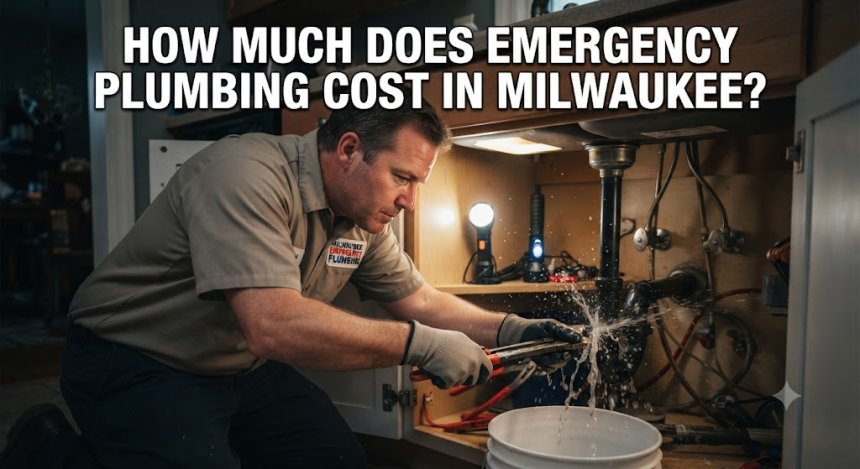
Milwaukee Emergency Plumbing Cost: What to Expect & Rates
Nothing ruins a quiet evening quite like the sound of rushing water behind a drywall panel or stepping onto a soaked basement floor in the middle of a freezing Milwaukee winter night. Plumbing emergencies rarely happen on a convenient schedule. Whether you live in a historic bungalow in Milwaukee's Riverwest neighborhood, a modern build in Franklin, or a commercial space near Oak Creek, facing a sudden plumbing failure triggers immediate stress—and the first question that usually crosses your mind is, "How much is this going to cost me?"emergency plumbing cost Milwaukee
Homeowners and business owners search for emergency plumbing costs because they want transparency during a crisis. When water is actively damaging your property, you need to know if you are facing a standard repair bill or a major financial hit. Understanding what drives these costs helps you make calm, informed decisions, avoid predatory pricing, and recognize the value of calling a licensed professional right away.
What Is Emergency Plumbing?
Emergency plumbing refers to urgent, unexpected plumbing failures that threaten the structural integrity of a building, pose severe health and safety risks, or completely disrupt essential water and sanitation services. Unlike a slow-draining kitchen sink that can wait for a convenient Tuesday morning appointment, an emergency demands immediate intervention—often outside normal business hours.
Common Emergency Situations
-
Burst Supply Lines: High water pressure or freezing temperatures cause pipes to rupture, spilling gallons of water per minute into living areas or crawl spaces.
-
Main Sewer Line Blockages: Wastewater backs up through basement floor drains, bathtubs, and toilets, creating a biohazard risk.
-
Total Water Heater Failure: A rusted tank gives way, flooding utility rooms or failing to provide hot water during sub-zero Wisconsin winters.
-
Overflowing Toilets: Fixtures that continue to run or back up uncontrollably due to deep main-drain obstructions.
Why Does This Plumbing Problem Happen?
Plumbing emergencies rarely occur without underlying root causes. In Southeastern Wisconsin—including Milwaukee, Waukesha, Racine, and surrounding communities—environmental factors and physical wear play massive roles in system failures.
-
Severe Seasonal Weather and Frozen Pipes: Wisconsin winters are brutal. When temperatures plunge well below freezing, uninsulated pipes in exterior walls, crawl spaces, or unheated basements freeze. As water turns to ice, it expands, creating immense internal pressure that cracks copper, PVC, and galvanized steel pipes.
-
Aggressive Hard Water: Milwaukee and its surrounding suburbs draw water containing high mineral concentrations of calcium and magnesium. Over years, this hard water leaves scale buildup inside pipes and water heater tanks, constricting water flow and putting extra strain on joints.
-
Aging Infrastructure and Corrosion: Many homes across Milwaukee County feature older plumbing materials, such as galvanized iron or cast iron drains, which corrode, thin out, and pit over decades.
-
Tree Root Intrusion: Subsurface sewer lateral lines frequently attract tree roots seeking moisture. Roots infiltrate tiny joint cracks, expand, and trap debris, resulting in catastrophic sewer backups.
-
Excessive Water Pressure: Municipal water supply pressures can sometimes spike. Without a functioning pressure-reducing valve (PRV), continuous high pressure weakens pipe connections, fixtures, and water heater tanks until they fail prematurely.
Signs You Should Never Ignore
Most plumbing emergencies announce themselves long before catastrophe strikes. Recognizing these warning signs can help you prevent a midnight disaster.
-
Unexplained Spikes in Water Bills: A sudden jump on your municipal utility bill without a change in usage almost always points to a hidden slab leak or underground supply line fracture.
-
Musty Odors and Damp Walls: Persistent foul smells or bubbling paint indicate slow, hidden leaks behind walls that foster mold growth and rot framing lumber.
-
Gurgling Drains: If your toilet gurgles when the washing machine drains, it signals a vent stack blockage or a developing main sewer line obstruction.
-
Discolored or Rusty Water: Brown, yellow, or murky water coming from your taps often means internal pipe corrosion or a failing water heater tank lining.
-
Sudden Drops in Water Pressure: Mineral buildup or a major fracture in a supply line can rob your home of normal water flow.
Common Plumbing Problems Related to This Issue
When an emergency strikes, it rarely happens in isolation. A single primary failure often triggers secondary property damage:
-
Structural and Drywall Damage: Water saturates subfloors, drywall, and insulation, weakening structural framing and requiring costly remediation.
-
Basement Flooding: Main sewer backups or burst sump pump discharge lines can quickly turn a Milwaukee basement into a swimming pool.
-
Electrical Hazards: Water leaking near electrical outlets, breaker panels, or appliance wiring creates severe shock and fire risks.
-
Mold Proliferation: Spores can germinate within 24 to 48 hours of water exposure, threatening indoor air quality.
Step-by-Step Professional Repair Process
When you call tims plumbing hvac at 844 833 1546 for an emergency dispatch to your property at 6418c S Howell Ave, Oak Creek, WI 53154 or surrounding areas, our licensed plumbers follow a rigorous, systematic process to resolve the issue safely.
    Our licensed professional arrives promptly, locates the main water or gas shut-off valves, and immediately stops the flow of water to protect your home from further damage.


    Using specialized tools like electronic leak detectors or high-definition sewer cameras, we inspect the exact source and extent of the failure.


    We explain our findings in plain English, outline your repair options, and provide a firm, upfront cost estimate with no hidden surprises.


    Using professional-grade parts and equipment, our experienced technicians perform the necessary repairs, whether that means patching a burst pipe or replacing a failed valve.


    We pressure-test the repaired lines, cycle connected fixtures, and check for leaks to ensure the system operates flawlessly.


    We respect your property by thoroughly cleaning our work area, hauling away damaged components, and sanitizing the affected zone.


    We conclude by sharing tailored tips on how to prevent future emergencies, such as insulating vulnerable pipes or scheduling annual system checkups.
Can You Fix It Yourself?
When water is flooding your home, the panic to grab a wrench or a roll of duct tape is completely understandable. However, understanding the boundary between safe DIY actions and dangerous mistakes is critical.
What Homeowners Can Safely Do
-
Shut Off the Main Water Supply: Locate your home's main water shut-off valve (usually found near the water meter or where the main line enters the basement) and turn it clockwise to stop incoming water.
-
Turn Off the Water Heater: If you have a water heater emergency, shut off its gas supply valve or flip the dedicated circuit breaker to prevent the heating element from burning out dry.
-
Protect Valuables and Contain Water: Use towels, buckets, and wet vacuums to keep water away from electrical equipment and valuable furnishings.
When DIY Becomes Dangerous
Attempting to fix complex plumbing emergencies without professional training can lead to disaster. Soldering copper pipes under pressure, misaligning gas lines, or cranking down too hard on fragile PVC fittings can worsen leaks, cause severe structural flooding, or trigger gas leaks. If an issue involves main sewer lines, gas connections, or electrical proximity, leave it to a licensed expert.
Tools Professionals Use
Professional plumbing requires specialized diagnostic and repair technology that far exceeds standard homeowner toolkits.
-
Pipe Inspection Cameras: Waterproof fiber-optic cameras pushed down drain lines to visually inspect root intrusion, cracks, and structural collapses.
-
Electronic Leak Detectors: Acoustic and thermal imaging devices that pinpoint hidden leaks behind concrete slabs or walls without destructive demolition.
-
Hydro Jetting Equipment: High-pressure water blasters that scour interior pipe walls clean of grease, scale, and stubborn roots.
-
Pipe Locators: Radio-frequency transmitters used above ground to map the exact depth and path of underground sewer lines.
-
Pneumatic Testing Gauges: Tools used to measure water pressure and test system integrity before clearing a job.
How Long Does the Repair Usually Take?
Repair timelines vary widely based on the complexity of the failure:
-
Simple Emergency Repairs: Fixing a broken supply line connection, swapping out a faulty shut-off valve, or clearing an isolated drain clog typically takes 1 to 2 hours.
-
Moderate Repairs: Replacing a failed water heater, repairing a section of accessible copper supply pipe, or clearing a localized main sewer clog generally takes 2 to 4 hours.
-
Major Emergencies: Dealing with extensive slab leaks, replacing collapsed underground sewer stacks, or handling major commercial plumbing failures can take 4 to 8 hours or multiple days, depending on municipal permit requirements and excavation needs.
Cost Factors: Understanding Emergency Plumbing Rates
Homeowners often ask for exact pricing, but ethical plumbing companies know that every emergency is unique. Emergency plumbing costs in Milwaukee, WI typically range from $150 to $500+ for hourly or service call rates, with total repair costs varying based on several distinct factors:
-
Time of Day and Urgency: Calls placed on nights, weekends, or major holidays require technicians to be on-call, which incurs premium labor rates or after-hours surcharges.
-
Diagnostic and Service Call Fees: Most licensed contractors charge a standard dispatch fee to cover travel time and initial diagnostic troubleshooting.
-
Severity and Complexity: A straightforward toilet clog requires less labor than excavating a concrete basement floor to replace a broken sewer line.
-
Accessibility of Pipes: Pipes hidden inside finished walls, beneath concrete slabs, or buried deep underground require extra labor to access compared to exposed basement piping.
-
Materials and Parts Required: Specialized commercial-grade valves, custom pipe dimensions, or tankless water heater components impact material costs.
-
Repair versus Replacement: Sometimes a temporary patch is insufficient, and an entire assembly must be replaced to ensure long-term safety.
Disclaimer: Plumbing repair costs vary depending on the severity of the problem, accessibility, materials required, emergency service, property type, and local labor rates.
Hidden Truths Homeowners Should Know
-
Small Leaks Become Expensive Repairs: Ignoring a minor drip under a sink allows mold, wood rot, and subfloor damage to compound quietly.
-
Cheap Temporary Fixes Often Fail: Hardware store epoxy putties and rubber patch kits are band-aids; they rarely withstand sustained home water pressure.
-
Insurance May Not Cover Neglected Plumbing: Homeowners insurance typically covers sudden, accidental water damage—not damage caused by long-term, neglected maintenance issues.
-
Tree Roots Return: Clearing roots with a mechanical snake provides temporary relief, but unless the damaged pipe is repaired or lined, roots will return within months.
-
Hard Water Shortens Fixture Lifespan: Unsoftened Milwaukee water coats internal heating elements and valves with mineral scale, causing premature mechanical failure.
-
DIY Mistakes Multiply Costs: Overtightening fittings or using incorrect thread sealants often results in secondary floods that double your repair bill.
-
Delaying Repairs Invites Structural Compromise: Standing water softens joists and drywall, jeopardizing the physical stability of your home.
-
Hidden Leaks Spike Utility Bills: A pinhole leak running continuously can waste thousands of gallons of water, driving up monthly municipal bills.
-
Mold Develops Rapidly: High humidity from hidden leaks creates breeding grounds for toxic mold within 48 hours.
-
Annual Maintenance Saves Thousands: Proactive plumbing checkups catch worn components before they turn into midnight emergencies.
15 Common Mistakes Homeowners Make
-
Ignoring Minor Leaks: Waiting for a drip to "fix itself" leads to rotting wood and extensive water damage. Avoid it by addressing leaks immediately.
-
Dumping Chemical Drain Cleaners: Harsh liquid drain openers eat away at metal and PVC pipe walls. Avoid it by calling a professional for mechanical snaking or hydro jetting.
-
Flushing "Flushable" Wipes: Wet wipes do not break down like toilet paper and quickly choke main sewer lines. Avoid it by throwing all wipes in the trash.
-
Pouring Grease Down Kitchen Drains: Congealed grease hardens inside pipes, trapping food debris. Avoid it by wiping pans with paper towels before washing.
-
Ignoring Banging Pipes (Water Hammer): Violent slamming shakes pipe joints loose over time. Avoid it by installing water hammer arrestors.
-
Hiring Unlicensed Handymen: Unqualified workers often violate local plumbing codes. Avoid it by verifying state licenses and insurance.
-
Skipping Annual Maintenance: Operating water heaters and sump pumps without service checks leads to surprise breakdowns. Avoid it by scheduling yearly tune-ups.
-
Waiting Until Total Failure: Delaying service on a noisy water heater usually results in a tank rupture. Avoid it by replacing aging units proactively.
-
Using Mismatched Pipe Materials: Joining galvanized steel directly to copper causes accelerated galvanic corrosion. Avoid it by using dielectric unions.
-
Overtightening Plumbing Fixtures: Cranking down too hard on supply lines cracks porcelain and plastic nuts. Avoid it by tightening snug plus a quarter-turn.
-
Failing to Locate the Main Valve: Precious minutes are lost searching for the water shut-off during a flood. Avoid it by labeling your main valve today.
-
Neglecting Outdoor Hose Bibs: Leaving garden hoses attached during freezing weather cracks indoor pipe connections. Avoid it by disconnecting hoses in autumn.
-
Overloading Garbage Disposals: Stuffing fibrous vegetables or bones into disposals jams the motor. Avoid it by feeding scraps slowly with cold water running.
-
Ignoring Sump Pump Test Runs: Discovering a dead sump pump during a severe spring storm leads to flooded basements. Avoid it by testing your pump quarterly.
-
Applying Band-Aid Fixes Indefinitely: Relying on tape to hold back high-pressure water invites sudden blowouts. Avoid it by scheduling permanent professional pipe repairs.
Maintenance Tips
Protecting your home from plumbing emergencies requires consistent, proactive care across every season.
-
Insulate Exposed Pipes: Wrap foam insulation around pipes located in unheated areas like crawl spaces, garages, and exterior walls.
-
Test Sump Pumps Regularly: Pour a bucket of water into your sump pit each spring and autumn to verify that the float switch engages properly.
-
Flush Your Water Heater: Drain your water heater tank once a year to clear out mineral sediment buildup that impairs heating efficiency.
-
Install Water Leak Detectors: Place smart, battery-powered water sensors near washing machines, water heaters, and under kitchen sinks.
-
Watch What You Flush: Educate household members that only human waste and toilet paper belong in the plumbing system.
-
Schedule Annual Professional Inspections: Have a licensed technician evaluate your plumbing system, water pressure, and sewer lines proactively.
When Should You Call an Emergency Plumber?
Do not hesitate to call a professional if you encounter any of the following critical scenarios:
-
Burst Supply Pipes: Active flooding where water cannot be contained.
-
Severe Sewage Backups: Raw sewage bubbling up through home drains.
-
Total Loss of Water: Complete disruption of your home's water supply without municipal notice.
-
Overflowing Toilets That Won't Stop: Fixtures threatening to flood finished flooring.
-
Major Water Heater Leaks: Tanks actively discharging water across utility room floors.
Immediate professional action prevents minor plumbing failures from escalating into thousands of dollars in property damage.
Frequently Asked Questions
Why is my water pressure suddenly low?
Sudden pressure drops are typically caused by a partially closed main shut-off valve, a failing pressure-reducing valve (PRV), or heavy mineral scale buildup choking your aerators and pipes.
How much does leak detection cost?
Advanced electronic leak detection typically ranges from $150 to $400, depending on whether the leak is located in an accessible wall, beneath a concrete slab, or underground.
Can a clogged drain damage pipes?
Yes. Severe clogs create immense hydrostatic pressure behind the blockage, which can crack aging pipe joints or cause sewage to back up into living areas.
Is hydro jetting safe for old pipes?
An experienced, licensed plumber will perform a camera inspection first. If your pipes are structurally sound, hydro jetting is safe and remarkably effective; however, severely corroded or fragile pipes may require trenchless repair instead.
How do I know if my sewer line is broken?
Common red flags include multiple slow-draining fixtures simultaneously, gurgling toilets, foul sewage odors around the property, and patches of unusually lush green grass in your yard.
How long do water heaters last?
Traditional tank water heaters typically last 8 to 12 years, while tankless water heaters can last 15 to 20 years with proper annual maintenance.
Why does my faucet drip?
A dripping faucet is usually caused by a worn-out rubber washer, degraded O-ring, or a corroded valve seat inside the fixture handle.
What causes pipes to burst?
Pipes most commonly burst due to freezing winter temperatures that cause trapped water to expand, or from extreme internal water pressure exceeding material limits.
Can plumbing leaks increase my water bill?
Absolutely. Even a small pinhole leak or a continuously running toilet flapper can waste hundreds of gallons of water a day, driving up your monthly utility bill.
When should I replace plumbing instead of repairing it?
If your home features aging galvanized pipes that suffer from chronic leaks, low pressure, and rust, a whole-house repiping project is far more cost-effective than constant emergency patches.
Why Choose Our Plumbing Company
When you face a plumbing crisis, you need a team you can trust implicitly. At tims plumbing hvac, we pride ourselves on delivering exceptional service built on core industry standards:
-
Experienced Licensed Plumbers: Our technicians hold valid state licenses and undergo rigorous ongoing training.
-
Honest Recommendations: We provide straight answers and realistic options tailored to your specific situation, never pushing unnecessary upsells.
-
Upfront Estimates: You will know the exact cost of the repair before any work begins, ensuring zero financial surprises.
-
Fast Emergency Response: We dispatch technicians quickly to minimize property damage and restore your peace of mind.
-
Quality Workmanship and Warranty: We stand firmly behind the integrity of our repairs, utilizing professional-grade equipment and top-tier parts.