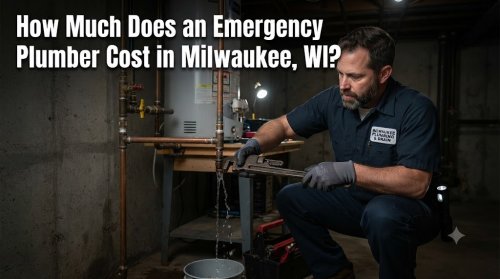
How Much Does Drain Cleaning Cost in Milwaukee,
Discover drain cleaning costs in Milwaukee, WI. Learn factors, warning signs, local pricing, and when to call tims plumbing hvac at 844 833 1546.

What Is Drain Cleaning?
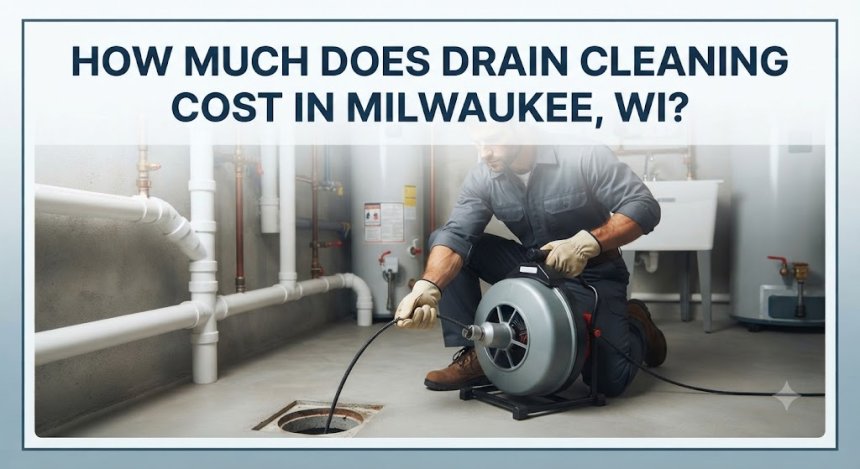
Drain cleaning is the specialized process of clearing blockages, buildup, and debris from your home's wastewater drainage pipes. While a basic household plunger or hand crank can handle minor surface blockages, professional drain cleaning utilizes industrial-grade equipment to scour the interior walls of your pipes, restoring full flow to sinks, showers, toilets, and main sewer lines.
Common Situations & Symptoms
-
Slow Draining Fixtures: Water pools in your bathtub or kitchen sink and takes several minutes to drain after use.
-
Gurgling Sounds: Toilets or drains gurgle when another appliance, such as the washing machine, is running.
-
Foul Odors: Persistent sulfur or sewage smells drifting up from floor drains or garbage disposals.
-
Multiple Fixture Backups: A downstairs floor drain or toilet backs up whenever you run an upstairs shower or flush a toilet.
Why Does This Plumbing Problem Happen?
Everyday habits, aging infrastructure, and local environmental factors contribute to clogged drains throughout southeastern Wisconsin.
Common Causes
-
Hair and Soap Scum: In bathrooms, loose hair binds with soap residue, creating dense webs inside shower and sink traps.
-
Kitchen Grease and Food Waste: Pouring grease, coffee grounds, or starchy foods down the kitchen sink leads to thick blockages as materials solidify inside the pipes.
-
Tree Root Infiltration: Mature trees searching for moisture frequently crack or infiltrate older clay and cast-iron sewer lateral pipes underneath Milwaukee yards.
-
Hard Water Mineral Buildup: Milwaukee’s water supply carries mineral content that can accumulate inside pipes over decades, narrowing the interior diameter.
-
Aging Infrastructure: Historic properties featuring vintage galvanized or cast-iron pipes naturally develop interior corrosion, scaling, and rough surfaces that catch debris easily.
Signs You Should Never Ignore
Ignoring minor plumbing symptoms almost always leads to major property damage. Watch out for these red flags:
-
Water Stains or Damp Walls: Indicates an underlying pipe leak or slow overflow behind walls or beneath flooring.
-
Foul Smells: Usually points to a dry P-trap, a cracked vent pipe, or a looming sewer main backup.
-
Sudden Low Water Drainage: If multiple drains slow down simultaneously, your main sewer line is likely compromised.
-
Unexplained High Water Bills: Can indicate hidden leaks running continuously behind walls or beneath concrete slabs.
Common Plumbing Problems Related to This Issue
Drain blockages rarely occur in isolation. Left unaddressed, they trigger a chain reaction of plumbing failures:
-
Pipe Leaks and Bursts: Increased hydrostatic pressure behind a severe clog can rupture aging pipe joints.
-
Sewer Line Backups: Main line clogs force raw municipal wastewater backward into basement floor drains.
-
Water Heater Failures: Sediment buildup and restricted outflow can strain secondary plumbing components.
-
Fixture Damage: Constant standing water corrodes porcelain, metal finishes, and subflooring.
Step-by-Step Professional Repair Process
When you partner with a licensed professional like tims plumbing hvac, you can expect a transparent, systematic approach to clearing your lines:
Can You Fix It Yourself?
Many homeowners attempt DIY fixes before calling a professional. While minor surface clogs can sometimes be managed safely, knowing your limits prevents costly accidents.
-
Safe DIY Solutions: Using a standard flange plunger for simple toilet clogs or pouring boiling water down a kitchen sink for minor soap buildup.
-
Temporary Fixes: Natural mixtures like baking soda followed by hot water can loosen light surface grease.
-
When DIY Becomes Dangerous: Pouring harsh chemical liquid drain cleaners into stubborn clogs is hazardous. These chemicals generate extreme heat, corrode older metal pipes, and splash back dangerously onto skin and eyes. Furthermore, mechanical snakes rented from hardware stores can easily puncture fragile or root-damaged sewer lines if mishandled.
-
When Professional Help is Necessary: If plunging fails, multiple fixtures back up, or water begins pooling around basement floor drains, professional intervention is mandatory.
Cost Factors: How Much Does Drain Cleaning Cost in Milwaukee, WI?
Drain cleaning costs vary depending on the severity and location of the clog. In the Milwaukee market, standard professional drain cleaning generally ranges from $147 to $686, with many routine single-fixture or main-line clearings averaging around $294.
Key Cost Variables
-
Clog Location and Severity: Clearing a simple kitchen sink trap is faster and less expensive than clearing a deep main sewer line choked by tree roots.
-
Cleaning Method: Standard mechanical snaking sits on the lower end of pricing, while advanced high-pressure hydro jetting or video camera scoping involves specialized equipment and technical expertise.
-
Accessibility: Cleanout access points located in finished basements, crawlspaces, or underground vaults require extra time and labor to access safely.
-
Emergency Timing: After-hours, weekend, or holiday emergency dispatches typically carry premium hourly or call-out rates.
-
Permits and Local Regulations: Major sewer repairs or cleanout installations requiring municipal permits through the City of Milwaukee Department of Neighborhood Services (DNS) may add administrative costs.
Hidden Truths Homeowners Should Know
-
Small Leaks Become Expensive Repairs: A slow drip or sluggish drain left for months rots framing and fosters mold.
-
Cheap Chemical Cleaners Fail: Store-bought chemicals eat away at pipe gaskets rather than clearing deep blockages.
-
Insurance Gaps: Standard homeowner insurance policies typically deny claims resulting from long-term, neglected plumbing maintenance.
-
Tree Roots Return: Mechanical snaking cuts roots inside a pipe, but unless hydro-jetted or repaired, they will grow back within months.
-
Hard Water Acceleration: Mineral scaling drastically shortens the operational lifespan of water heaters and fixture cartridges.
-
DIY Mistakes Compound Costs: Forcing a hand snake incorrectly through a pipe elbow can crack the fitting, turning a $200 fix into a major excavation.
-
Utility Bill Creep: Undetected minor leaks slowly inflate monthly municipal water bills.
-
Rapid Mold Growth: Moisture from slow backups creates airborne mold spores within 24 to 48 hours.
-
Annual Maintenance Pays Off: Scheduling routine professional checkups prevents catastrophic weekend pipe failures.
15 Common Mistakes Homeowners Make
-
Ignoring Slow Drains: Waiting until a sink completely stops working.
-
Relying on Chemical Cleaners: Corroding metal pipes with harsh acids.
-
Flushing Wipes: Flushing "flushable" wipes that do not break down in sewer systems.
-
Pouring Grease Down Sinks: Letting liquid fats solidify inside branch lines.
-
Neglecting Water Pressure: Disregarding spiking PSI levels that stress joints.
-
Hiring Unlicensed Handymen: Risking sub-par repairs and voided insurance coverage.
-
Skipping Annual Inspections: Forgetting that pipes age silently underground.
-
Waiting Until Emergencies: Paying premium rates for midnight plumbing disasters.
-
Using Mismatched Pipe Materials: Connecting incompatible metals that cause galvanic corrosion.
-
Over-Tightening Fixtures: Cracking porcelain basins and PVC connectors.
-
Disposing of Coffee Grounds: Accumulating sludge in kitchen traps.
-
Forgetting Main Cleanouts: Not knowing where the main sewer cleanout is located on the property.
-
Overloading Garbage Disposals: Feeding fibrous vegetable peels and bones down disposals.
-
Skipping Winterization: Failing to insulate vulnerable garage or exterior wall pipes against severe Wisconsin freezes.
-
Throwing Away Maintenance Records: Losing track of past plumbing history.
Maintenance Tips
-
Use Drain Screens: Catch hair and food particles before they enter your plumbing.
-
Flush with Hot Water: Run hot water down kitchen drains weekly to keep oils moving.
-
Watch What You Compost: Keep potato peels, grease, and coffee grounds out of the sink entirely.
-
Inspect Outdoor Cleanouts: Ensure landscaping and mulch do not bury your outdoor sewer cleanout caps.
-
Winterize Outdoor Spigots: Disconnect hoses and shut off interior valves before the first hard Milwaukee freeze.
-
Schedule Routine Jetting: Have main lines professionally hydro-jetted every few years if you live near large trees.
-
Test Sump Pumps: Check your basement sump pump system before spring thaw and heavy rain seasons.
-
Monitor Water Pressure: Install a pressure reducing valve if your home pressure exceeds 80 PSI.
-
Educate Family Members: Ensure everyone in the household knows what can and cannot go down the toilet.
-
Avoid Harsh Chemicals: Use enzymatic drain maintainers for routine organic buildup instead of acid-based cleaners.
-
Check Under Sinks Monthly: Look for early signs of dampness or slow leaks around supply lines and P-traps.
-
Clean Garbage Disposals: Grind ice cubes occasionally to sharpen and clean disposal blades.
-
Insulate Exposed Basement Pipes: Protect vulnerable basement runs against drafty winter weather.
-
Keep Cleanouts Accessible: Never build permanent decks or flooring over essential plumbing access points.
-
Know Your Main Shutoff: Ensure every adult in the house knows how to shut off the main water supply quickly.
When Should You Call an Emergency Plumber?
Certain plumbing events require immediate professional assistance, day or night:
-
Burst Pipes: Gushing water threatening structural integrity and electrical panels.
-
Raw Sewage Backups: Wastewater flooding basement living spaces or floor drains.
-
Total Loss of Water: Sudden, unexplained water loss across all household fixtures.
-
Overflowing Toilets: Inability to stop a toilet bowl from spilling over onto flooring.
-
Major Gas Line Concerns: If you smell gas near your water heater or furnace, evacuate immediately and call emergency services.
Frequently Asked Questions
Why is my water pressure suddenly low? Sudden low pressure usually points to a clogged aerator, a partially closed main valve, or a hidden leak in your supply line.
How much does leak detection cost? Professional electronic leak detection typically ranges from $150 to $400 depending on the complexity and location of the hidden leak.
Can a clogged drain damage pipes? Yes. Persistent pressure and stagnant water accelerate corrosion, joint separation, and ultimate pipe failure.
Is hydro jetting safe for old pipes? An experienced technician performs a pre-cleaning video camera inspection to assess pipe integrity before recommending hydro jetting. Fragile or severely degraded pipes may require alternative repair methods.
How do I know if my sewer line is broken? Frequent backups, multiple slow drains, foul sewage odors in the yard, and wet patches on your lawn are classic signs of a broken sewer line.
How long do water heaters last? Standard tank water heaters typically last between 8 to 12 years, while tankless models can operate efficiently for 20 years with proper maintenance.
Why does my faucet drip? A dripping faucet is usually caused by a worn-out O-ring, washer, or cartridge inside the valve assembly.
What causes pipes to burst? Freezing winter temperatures cause water inside pipes to expand, exerting immense hydraulic pressure that ruptures metal or plastic walls.
Can plumbing leaks increase my water bill? Absolutely. Even a small silent toilet leak or slow pipe drip can waste thousands of gallons over a billing cycle.
When should I replace plumbing instead of repairing it? If your plumbing system features chronic leaks, extensive corrosion, outdated polybutylene materials, or frequent failures, whole-home repiping is more cost-effective.
Why Choose Our Plumbing Company
When plumbing issues strike your home or business, you need a team you can trust. At tims plumbing hvac, we pride ourselves on delivering exceptional service backed by:
-
Experienced Licensed Plumbers: Certified professionals who understand regional plumbing codes and building types.
-
Honest Recommendations: Straightforward advice without high-pressure sales tactics.
-
Upfront Estimates: Transparent pricing so you never face surprise fees.
-
Fast Response Times: Prompt dispatch across our entire service area.
-
Emergency Availability: Ready to assist when urgent plumbing failures happen.
-
Quality Workmanship: Lasting repairs performed with industry-leading precision.
-
Modern Equipment: Advanced diagnostic cameras and hydro jetting tools for accurate results.
-
Customer Satisfaction: A dedicated focus on making every homeowner feel valued and protected.
Call To Action
Don't let a slow drain turn into a costly emergency. Whether you need routine drain cleaning, sewer inspection, or emergency plumbing support in Milwaukee, Oak Creek, or the surrounding communities, the expert team at tims plumbing hvac is here to help.
Call us today at 844 833 1546 to schedule your professional inspection or request an upfront estimate!