How Much Does a Plumber Cost in Milwaukee, WI?
Discover average plumber costs in Milwaukee, WI, hidden fees, hourly rates, and how to save. Get expert advice from tims plumbing hvac.

How Much Does a Plumber Cost in Milwaukee, WI?
Few things induce panic quite like walking into your basement to find a puddle of water expanding across the floor, or waking up to a toilet that refuses to flush. When plumbing emergencies strike across Milwaukee, WI and surrounding communities like Oak Creek, Franklin, and Cudahy, a homeowner's immediate thought isn't just "How do I fix this?"—it's anxiously wondering, "How much is this going to cost me?"
Understanding plumbing costs in Milwaukee is notoriously difficult because prices vary wildly based on the nature of the issue, parts availability, structural accessibility, and whether you are calling during regular business hours or requiring an emergency midnight dispatch.
Homeowners typically search for plumbing pricing data because they want peace of mind, fear getting overcharged by unscrupulous contractors, or need to budget for essential repairs before a small drip morphs into a catastrophic structural failure. This comprehensive guide, written by experienced plumbing industry professionals, breaks down real-world pricing factors, standard regional rates, common pitfalls, and practical ways to protect your home and wallet.
What Is Plumbing Service Cost?
When discussing plumbing costs, we are referring to the total financial investment required to diagnose, repair, replace, or maintain the network of water supply lines, drainage pipes, vents, and fixtures inside residential or commercial properties.
In the Greater Milwaukee area—encompassing Milwaukee County, Racine County, and Waukesha County—plumbing services are typically billed through a mix of service call (diagnostic) fees, hourly labor rates, and parts/material markups.
Common Situations Involving Plumbing Costs
-
Emergency Dispatches: A frozen pipe bursts during a sub-zero January night in Milwaukee, flooding a finished basement.
-
Routine Maintenance & Repairs: A kitchen sink drain running sluggishly due to years of grease buildup, or a toilet running continuously, inflating monthly municipal water bills.
-
Major Component Replacements: A 10-year-old water heater leaking from the tank base, requiring immediate replacement before total structural rupture.
Why Do Plumbing Costs Vary So Much?
Homeowners often experience sticker shock when comparing an online estimate for a "simple fix" to an actual contractor invoice. Plumbing costs fluctuate based on several concrete variables:
-
Aging Infrastructure & Pipe Material: Milwaukee features a rich architectural history, with many homes in neighborhoods like Bay View, Riverwest, and the Upper East Side built in the early-to-mid 20th century. Older homes often feature galvanized steel pipes prone to internal rusting, fragile cast iron drains, or outdated polybutylene supply lines. Working on delicate, aging systems requires specialized care and significantly more labor time than modern PEX or copper installations.
-
Hard Water Effects: Southeastern Wisconsin groundwater is famously hard, carrying high concentrations of calcium and magnesium minerals. Over time, hard water scales up inside water heaters, valves, and faucet aerators, accelerating wear and tear and demanding specialized descaling or replacement parts.
-
Severe Weather & Seasonal Pressures: Milwaukee’s freezing winters subject exterior hose bibs and uninsulated basement pipes to extreme thermal stress, leading to a surge of emergency frozen and burst pipe calls that impact scheduling and labor availability.
-
Accessibility: A leaking pipe exposed in an open basement ceiling is fast and inexpensive to repair. Conversely, a leak hidden behind a tiled bathroom wall, beneath a concrete slab foundation, or deep within a cramped crawlspace demands exploratory demolition, drywall patching, and specialized positioning, driving up labor hours.
Signs You Should Never Ignore
Waiting to address minor plumbing anomalies is the single most common catalyst for expensive plumbing bills. Keep a watchful eye for these warning signs:
-
Unexplained Water Stains: Brown rings on ceilings or bubbling paint on walls indicate active, hidden leaks behind drywall or subflooring.
-
Sluggish Drains: If multiple fixtures drain slowly simultaneously, it points toward a developing main sewer line blockage rather than a simple sink clog.
-
Dropping Water Pressure: Mineral buildup inside aerators or a hidden supply line fracture will cause noticeable pressure drops across your home.
-
Unusually High Water Bills: If your municipal utility bill spikes while your water consumption habits remain identical, water is escaping somewhere silently—often via a silent toilet flapper leak or a subterranean supply line crack.
-
Damp Walls or Musty Odors: Persistent earthy smells or damp drywall encourage rapid mold colonization, posing respiratory health risks while degrading structural framing.
-
Strange Gurgling Noises: If your toilet gurgles when the washing machine drains, it signals venting failures or a blocked sewer stack.
Common Plumbing Problems and Estimated Local Costs
To help you budget realistically, here is an overview of common plumbing repairs in the Milwaukee market, factoring in standard regional labor rates and material expenses:
| Plumbing Service Type | Typical Local Cost Range | Primary Cost Drivers |
| Minor Drain Unclogging | $125 – $350 | Severity of clog; accessibility of cleanout; whether snaking or hydro jetting is required. |
| Toilet Repair / Rebuilding | $150 – $450 | Cost of internal flush valves, wax rings, flange repairs, or complete toilet replacement. |
| Faucet / Fixture Repair | $100 – $300 | Cartridge replacement vs. full fixture swap; corrosion level of supply stop valves. |
| Water Heater Repair | $150 – $500 | Cost of thermocouples, gas control valves, heating elements, or anode rods. |
| Water Heater Replacement | $1,200 – $3,200+ | Tank size, fuel type (gas vs. electric vs. tankless), local venting codes, and expansion tanks. |
| Main Sewer Line Snaking | $250 – $850+ | Root intrusion severity, pipe length, and whether structural pipe damage requires camera verification. |
Step-by-Step Professional Repair Process
When you hire a licensed plumbing professional from tims plumbing hvac, you can expect a transparent, orderly protocol designed to solve the root problem efficiently:
    The plumber arrives at your property, listens carefully to your observations, and visually inspects the affected plumbing fixtures, surrounding areas, and main shut-off valves.


    Using specialized diagnostic tools—such as electronic leak detectors or high-resolution drain cameras—the plumber pinpoints the exact source of failure, eliminating guesswork.


    Before any wrench turns or repair begins, the plumber provides a clear, comprehensive breakdown of estimated labor, required parts, and project scope. No hidden surprises.


    The technician executes the repair using commercial-grade materials, adhering strictly to Wisconsin plumbing codes, safety standards, and manufacturer specifications.


    Once work is complete, the system is pressurized and tested under active flow conditions to verify zero leaks, proper drainage, and optimal thermal output.


    Professional technicians respect your home, wearing protective shoe covers, utilizing drop cloths, and thoroughly cleaning up any debris or packaging before departure.


    The plumber walks you through what was repaired, provides guidance on preventing recurrence, and shares tips for extending the lifespan of your plumbing system.
Can You Fix It Yourself? (DIY vs. Professional Plumbing)
Homeowners frequently attempt DIY plumbing repairs to save money, watching online tutorials for guidance. While changing a standard showerhead or plunging a surface sink clog is well within homeowner capabilities, crossing the line into complex plumbing work carries severe financial and safety risks.
What Homeowners Can Safely Do:
-
Plunging minor single-fixture clogs using a flange plunger.
-
Clearing hair and soap scum from bathroom sink or tub drain stoppers manually.
-
Replacing worn rubber washers in standard compression faucets.
-
Insulating exposed basement water pipes with foam sleeves ahead of winter freezes.
When DIY Becomes Dangerous and Costly:
-
Gas Line Manipulation: Working on gas water heaters or gas supply lines introduces explosion and carbon monoxide risks. Licensed certification is legally and safely mandatory.
-
Main Water Shut-Off Valve Failures: Forcing an old, seized main gate valve can snap the stem, instantly unleashing full municipal water pressure into your home.
-
Sewer and Drain Machine Operation: Heavy motorized drain augers (snakes) possess immense torque. Amateurs frequently catch cables on root clusters or pipe offsets, twisting steel cables or puncturing fragile old clay or cast iron drain lines.
Tools Professionals Use to Ensure Accuracy
Professional plumbers rely on advanced technology to diagnose and fix problems faster, saving homeowners money on exploratory labor:
-
Drain Inspection Cameras: Waterproof fiber-optic cameras pushed down sewer lines to visually locate cracks, root intrusions, and bellies in real-time.
-
Electronic Leak Detectors: Acoustic listening devices and thermal imaging cameras that pinpoint hidden pipe leaks behind walls or beneath concrete slabs without destructive ripping.
-
Hydro Jetting Equipment: High-pressure water scouring units (delivering up to 4,000 PSI) that completely scour grease, scale, and stubborn roots from pipe walls.
-
Pipe Locators: Radio-frequency transmitters paired with surface detectors to pinpoint the exact depth and geographic path of buried underground sewer pipes.
Cost Factors Breakdown
Understanding the components of a plumbing invoice helps demystify contractor pricing:
-
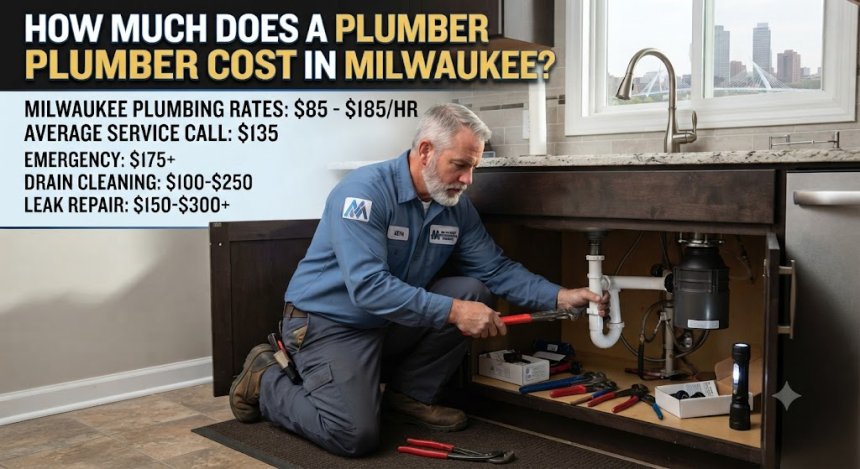
Diagnostic / Service Call Fees ($75 – $175): Covers the travel time, vehicle overhead, and technical expertise required for a licensed technician to arrive at your home and diagnose your specific issue.
-
Hourly Labor Rates ($70 – $130+ per hour): Standard residential labor rates in Wisconsin reflect professional licensing, insurance, continuous training, and specialized tooling.
-
Emergency & After-Hours Surcharges: Calls dispatched outside normal business hours, on weekends, or major holidays typically feature a 25% to 50% premium due to scheduling disruption.
-
Permit & Inspection Costs ($50 – $300+): Required by local municipalities in Milwaukee County for major installations like water heater replacements, sewer line overhauls, or gas line extensions.
Hidden Truths Homeowners Should Know
-
Small Leaks Compound Exponentially: A drip leaking one drop per second wastes over 3,000 gallons of water a year, while escalating into major wood rot and mold development.
-
Chemical Drain Cleaners Destroy Pipes: Pouring caustic chemical liquids down a clogged drain eats away at old metal pipe threading and degrades PVC glue joints, frequently turning a simple clog into a ruptured pipe.
-
Insurance May Deny Neglected Claims: Homeowners insurance policies cover sudden, accidental water damage (like a burst pipe), but routinely deny claims resulting from long-term, unaddressed slow leaks or frozen pipes left in unheated homes.
-
Hard Water Shrinks Equipment Lifespan: Unsoftened water coats water heater elements in thick mineral scale, forcing units to work twice as hard and reducing operational lifespans by up to 50%.
-
Delayed Maintenance Multiplies Costs: Spending $150 on routine preventative maintenance today prevents a $4,500 emergency basement flood tomorrow.
15 Common Mistakes Homeowners Make
-
Ignoring Minor Drips: Assuming a slow faucet drip is harmless until utility bills climb or washers fail entirely.
-
Relying on Chemical Cleaners: Dumping corrosive liquid drain openers down slow drains instead of mechanical clearing.
-
Flushing "Flushable" Wipes: Wet wipes, paper towels, and hygiene products do not disintegrate like toilet paper, causing severe main sewer blockages.
-
Pouring Grease Down Kitchen Sinks: Liquid fats solidify inside cold drain pipes, trapping food debris and creating rock-hard clogs.
-
Neglecting Water Pressure Regulators: Allowing unmonitored municipal pressure exceeding 80 PSI to hammer plumbing joints and water heaters.
-
Hiring Unlicensed Handymen: Working with uninsured, unlicensed operators who cut corners and violate local building codes.
-
Skipping Annual Water Heater Flushing: Allowing sediment to accumulate undisturbed at the bottom of water heater storage tanks.
-
Waiting Until Total System Failure: Ignoring banging pipes or fluctuating water temperatures until complete breakdowns occur.
-
Using Incompatible Pipe Materials: Connecting galvanized steel directly to copper without dielectric unions, triggering rapid galvanic corrosion.
-
Over-Tightening Fixture Fittings: Cracking porcelain toilet bowls, PVC slip nuts, or supply line connectors through excessive wrench torque.
-
Failing to Locate the Main Water Shut-Off: Panicking during a burst pipe because nobody in the household knows where or how to shut off the main water supply.
-
Leaving Exterior Hoses Connected in Winter: Failing to detach garden hoses and shut off interior isolation valves before sub-zero temperatures arrive.
-
Disposing Coffee Grounds in Garbage Disposals: Packing damp coffee grounds into dense sludge that settles in trap bends.
-
Overloading Garbage Disposals: Stuffing potato peelings, corn husks, or fibrous celery stalks into disposal units designed only for soft food waste.
-
Skipping Backflow Preventer Testing: Ignoring mandated testing for irrigation and commercial cross-connection backflow assemblies.
Maintenance Tips to Protect Your Plumbing System
-
Test Your Main Shut-Off Valve: Locate your main water shut-off valve and test it twice a year to ensure it turns smoothly and seals completely.
-
Flush Your Water Heater Annually: Drain a few gallons from your water heater tank once a year to flush out mineral sediment and extend tank life.
-
Install Mesh Strainers: Place hair catchers in all shower and tub drains to keep hair and soap buildup out of your traps.
-
Inspect Under Sinks Regularly: Look under kitchen and bathroom sinks quarterly for dampness, discoloration, or flexible supply line bulging.
-
Protect Outdoor Faucets: Disconnect garden hoses every October and install insulated covers on exterior hose bibs before winter freezes hit Milwaukee.
-
Monitor Water Pressure: Attach a cheap pressure gauge to an outdoor spigot; ensure your home pressure stays between 50 and 70 PSI.
-
Care for Garbage Disposals: Run cold water for 15 seconds before and after operating your disposal, and refresh blades periodically by grinding ice cubes.
-
Avoid Chemical Drain Openers: Use mechanical snakes or call a professional instead of pouring caustic chemicals down slow drains.
-
Watch Your Flushing Habits: Only flush human waste and toilet paper down residential sewer connections.
-
Test Sump Pumps Before Spring Rains: Pour a bucket of water into your sump basin each spring to verify float switch activation and pump discharge.
When Should You Call an Emergency Plumber?
Certain plumbing failures demand immediate professional intervention, regardless of the hour:
-
Burst or Ruptured Water Supply Pipes: Uncontrolled water gushing into walls or ceilings.
-
Severe Sewage Backups: Raw sewage bubbling up through basement floor drains or lower-level toilets.
-
Total Loss of Water Supply: Complete water interruption across all household fixtures.
-
Overflowing Toilets That Won't Stop: When shutting off the local toilet valve fails to halt rising water.
-
Gas Line Odors or Leaks: If you detect a sulfur/rotten egg smell near gas water heaters or appliances, evacuate immediately and call your utility provider and professional plumbing team.
Frequently Asked Questions
Why is my water pressure suddenly low?
Sudden pressure drops usually stem from a partially closed main shut-off valve, a clogged main water meter strainer, or a localized blockage in faucet aerators. If pressure dropped across the entire house simultaneously, contact a professional to inspect your pressure regulator.
How much does leak detection cost?
Professional electronic leak detection typically ranges from $200 to $450 depending on whether acoustic sensors, thermal imaging, or line isolation testing is required to isolate concealed water leaks.
Can a clogged drain damage pipes?
Yes. Severe clogs place immense hydrostatic pressure on pipe joints. Furthermore, chemical drain openers sitting against stagnant clogs can chemically corrode and weaken metal and plastic pipe walls.
Is hydro jetting safe for old pipes?
Hydro jetting is highly effective, but an experienced technician must first inspect the pipe via camera. If old cast iron or clay pipes are severely corroded, structurally compromised, or root-damaged, high-pressure jetting can cause further structural failure.
How do I know if my sewer line is broken?
Common signs include multiple stubborn fixture backups (toilets, tubs, and sinks backing up simultaneously), foul sewer odors in the yard, lush green patches of lawn over underground sewer trenches, or depressions in your landscaping.
How long do water heaters last?
Traditional tank-style water heaters last between 8 and 12 years on average. Tankless water heaters often last 15 to 20 years with proper annual descaling maintenance.
Why does my faucet drip?
Most faucet drips are caused by worn-out rubber O-rings, degraded internal cartridges, or mineral scale buildup inside single-handle mixing valves.
What causes pipes to burst?
Pipes burst most frequently when stagnant water inside uninsulated or exterior-wall pipes freezes, expands, and exerts immense hydraulic pressure against interior pipe walls.
Can plumbing leaks increase my water bill?
Absolutely. Even a silent toilet flapper leak can waste hundreds of gallons of water daily, driving up municipal water and sewer utility bills without leaving visible surface puddles.
When should I replace plumbing instead of repairing it?
If your home features aging galvanized steel or polybutylene piping that experiences frequent pinhole leaks, localized repairs are merely a band-aid. Whole-house repiping with modern PEX or copper is recommended to protect your property long-term.
Why Choose tims plumbing hvac
When you need reliable plumbing services across Milwaukee, Oak Creek, and the surrounding southeastern Wisconsin region, tims plumbing hvac stands out as your trusted local partner.
-
Experienced Licensed Plumbers: Highly trained professionals who understand local municipal plumbing codes and regional challenges like hard water and freezing winters.
-
Honest Recommendations: Straightforward advice focused on practical solutions rather than high-pressure sales tactics.
-
Upfront Estimates: Clear pricing shared before work begins so you can make informed decisions with total confidence.
-
Prompt Local Service: Quick response times across our service area to resolve plumbing emergencies before they escalate.
-
Modern Equipment: Utilizing advanced diagnostic tools and repair methods to protect your home and property.