When an HVAC Noise Requires Professional Attention | Oak Creek WI Guide
Learn which HVAC noises signal mechanical failure versus normal operation. Discover diagnostic clues, safe checks, and when to call a pro in Oak Creek, WI.

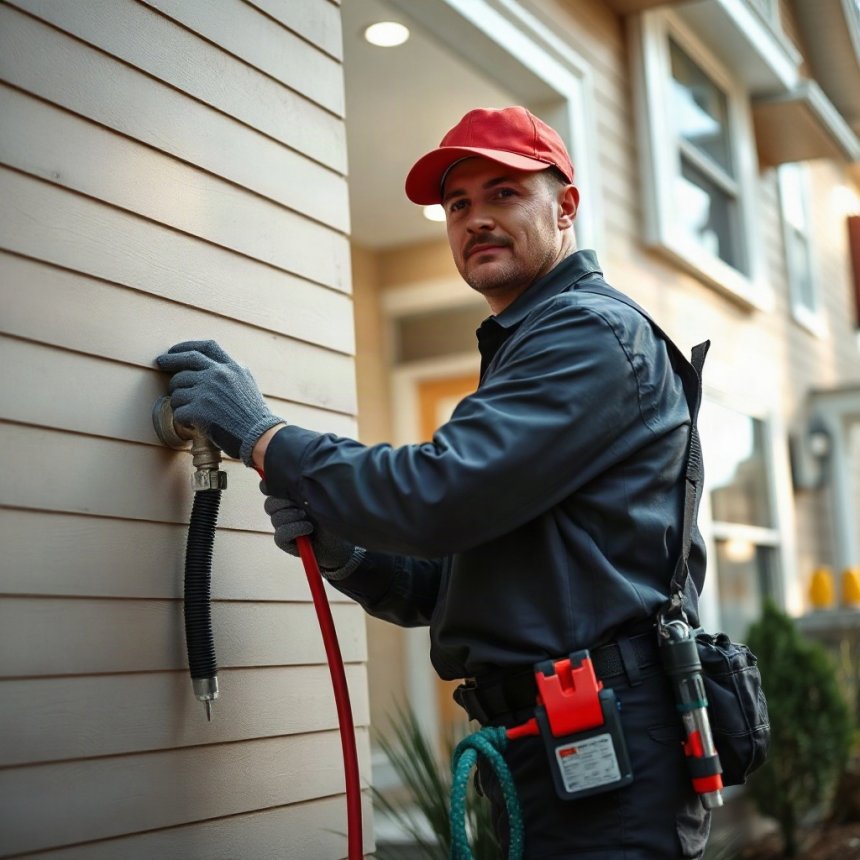
Decoding Heating and Cooling Sounds
Every heating and cooling system makes some level of operational sound. Air rushing through ductwork, the gentle click of a relay switch, or the soft hum of a blower motor are entirely normal parts of a functional heating or cooling cycle. However, when a residential or commercial HVAC system begins producing unfamiliar, loud, or persistent sounds, it is usually attempting to communicate a mechanical distress signal.
Property owners in Oak Creek, Wisconsin often notice these shifts in sound profile during seasonal transitions—such as the first heavy call for heat during a sub-zero January freeze or the sudden startup of an air conditioner during a humid July afternoon. Understanding which sounds require immediate system shutdown versus which ones simply warrant observation can prevent minor mechanical friction from escalating into a catastrophic component failure or an unexpected total breakdown.
Common HVAC Noises and What They Usually Suggest
Different mechanical components fail in different ways, and the acoustic signature of a failing part often points directly toward the root cause. However, sound alone does not provide a definitive diagnosis without physical inspection.
Scraping, Metal-on-Metal, and Screeching
A high-pitched squeal, metallic screech, or scraping noise typically originates from moving parts. In older furnaces or air handlers, this often indicates a failing blower motor bearing or a slipping belt. When bearings lose lubrication or wear down completely, metal components grind against one another. If a metallic scraping sound is heard, it often means the blower wheel has shaken loose and is rubbing against its housing. Continuing to run equipment with this symptom can rapidly destroy the blower assembly.
Banging, Popping, and Rumbling
Loud banging or popping sounds at startup are frequently heard in gas-fired forced-air furnaces. This can be caused by delayed ignition, where a small pocket of gas builds up in the burners before catching fire, creating a minor concussive pop. Over time, delayed ignition can stress the heat exchanger. In other cases, a loud rumbling sound points toward a dirty burner assembly or issues with a cracked heat exchanger requiring immediate professional evaluation due to carbon monoxide safety risks.
Clanking, Rattling, and Vibrating
Rattling sounds often indicate loose exterior panels, unsecured duct connections, or a foreign object trapped inside the blower compartment. During seasonal heating and cooling cycles, thermal expansion and contraction can loosen sheet metal screws or mounting brackets. However, a heavier clanking sound can signal a broken connecting rod inside a compressor or an unbalanced blower wheel.
Hissing, Bubbling, and Squeaking
A persistent hissing sound near an indoor air handler or outdoor condenser unit can indicate a refrigerant leak within the closed-loop system. Bubbling or gurgling sounds sometimes accompany refrigerant leaks or indicate that air is trapped within the lines of a hydronic boiler system. Squeaking sounds from registers often relate to thermal expansion of metal ductwork rubbing against wooden framing as air temperature fluctuates.
Safe Homeowner Checks Before Calling a Professional
When an unexpected noise arises, property owners can perform several safe, non-invasive checks to gather helpful diagnostic information without risking personal safety or equipment damage.
- Inspect the air filter: A severely restricted or clogged air filter forces the blower motor to work significantly harder, creating strained humming, whistling, or vibrating sounds due to restricted airflow and increased static pressure.
- Check exterior access panels: Ensure all service door panels on the furnace or air handler are snapped tightly into place and secured with their mounting screws. Loose sheet metal panels easily vibrate and amplify normal motor hums.
- Examine accessible vents and registers: Confirm that supply and return registers throughout the property are fully open and unobstructed by furniture, rugs, or stored items.
- Clear outdoor debris: For heat pumps and outdoor air conditioning condensers, inspect the unit for fallen leaves, twigs, or ice accumulation that might be striking fan blades during rotation.
Never attempt to remove service panels to touch moving belts, electrical wiring, or internal components while the system is powered. If there is any suspicion of a gas leak, electrical burning smell, or carbon monoxide detector activation, shut the system down at the breaker immediately, vacate the area, and seek emergency assistance.
When Professional Diagnosis Becomes Essential
While basic maintenance like filter replacement resolves many airflow-related noises, mechanical wear requires specialized tools and technical training. A qualified HVAC technician utilizes diagnostic instruments such as electrical multimeters, manometers to measure static pressure, and combustion analyzers to evaluate internal system health.
Professional intervention is necessary when:
- A noise is accompanied by burning odors, electrical sparks, or tripped circuit breakers.
- The sound originates from inside a sealed refrigeration circuit, gas valve, or combustion chamber.
- The equipment fails to deliver adequate heating or cooling despite running constantly.
- Internal motor bearings, capacitors, or control boards require physical testing and replacement.
Repair, Replacement, and System Variables
When an HVAC technician diagnoses the source of a disruptive noise, the appropriate solution depends heavily on equipment age, overall system condition, and the specific failed component. Replacing a worn-out blower motor belt, tightening a loose mounting bracket, or swapping out an aging run capacitor are straightforward targeted repairs that often restore quiet operation.
However, if a noisy component failure is a symptom of advanced system aging—such as multiple failing parts on a 20-year-old furnace—technicians will weigh the cost of repeated individual repairs against the long-term efficiency and reliability of a modern replacement unit. Factors influencing repair complexity and overall project scope include equipment accessibility (such as tight crawl spaces or crowded utility closets), necessary electrical modifications, and compatibility with existing ductwork configurations.
Variables Affecting HVAC Service and Repair Costs
Property owners evaluating HVAC repair estimates should understand why project scopes and pricing can vary significantly from one service call to another. Common factors influencing the cost of addressing mechanical noise and underlying failures include:
- Component Type and Availability: Specialized parts for high-efficiency variable-speed motors, proprietary control boards, or older legacy systems often require specific manufacturer sourcing compared to universal replacement components.
- Labor Complexity and Access: Units located in cramped basement corners, low clearance crawl spaces, or tight attic spaces require significantly more labor time and physical maneuvering to service safely.
- Diagnostic Time: Intermittent noises can be challenging to replicate, requiring extended diagnostic testing to isolate electrical versus mechanical failures accurately.
- System Age and Condition: Repairing one failing component on a heavily corroded or poorly maintained system can sometimes reveal secondary stress points in related assemblies.
Understanding these variables helps property owners interpret professional estimates and make informed decisions regarding targeted repairs versus equipment modernization.
Frequently Asked Questions
Can a dirty air filter really cause my furnace to make a loud noise?
Yes. When an air filter becomes heavily clogged with dust and debris, it severely restricts airflow into the system. This restriction forces the blower motor to pull against a vacuum, creating whistling, straining, or vibrating sounds. In severe cases, restricted airflow causes heat buildup, triggering high-limit switches to click or rattle as the system cycles erratically.
Is it safe to keep running my heat pump or air conditioner if it is making a grinding noise?
No. A grinding or screeching sound almost always indicates metal-on-metal friction, such as failing motor bearings or a misaligned fan blade. Continuing to operate the equipment will likely cause irreversible damage to the motor assembly, turning a relatively simple bearing lubrication or replacement job into a much larger motor replacement project.
Why does my heating system make a loud banging sound right when it turns on?
Loud bangs or pops at the start of a heating cycle are often caused by delayed ignition. Gas builds up momentarily on the burners before the pilot or electronic igniter successfully lights it, creating a small, concussive mini-explosion. This places undue stress on the burners and heat exchanger and should be inspected promptly by a professional.
What does a high-pitched hissing sound near my indoor air handler mean?
A persistent hissing sound often points toward a pressurized leak in the refrigerant lines or evaporator coil. Because refrigerant systems are completely sealed, any loss of pressure reduces cooling or heating capacity and requires professional leak detection, repair, and recharging.
How do I know if an HVAC noise is coming from the ductwork or the equipment itself?
A helpful diagnostic clue is location and consistency. Noises originating directly from the furnace cabinet or outdoor condenser usually hum, grind, or rattle in sync with specific mechanical cycles. Sounds coming from the ductwork—such as popping or booming—are frequently caused by metal expansion and contraction as air temperature shifts rapidly inside the metal runs.