How Much Does Roto-Rooter Drain Cleaning Cost in Milwaukee
Discover what drain cleaning and plumbing services cost in Milwaukee, WI. Learn causes, signs, DIY risks, and when to call local pros at Tim's Plumbing HVAC

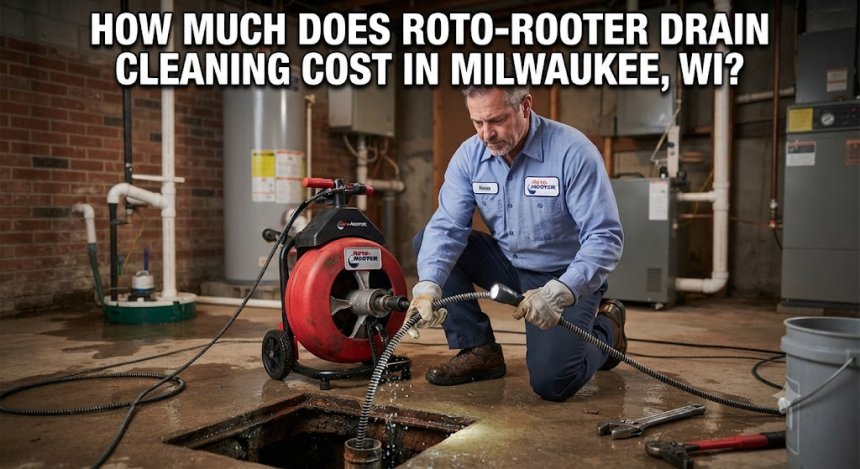
How Much Does Roto-Rooter Drain Cleaning Cost in Milwaukee, WI?
When a kitchen sink refuses to drain or water backs up into your basement floor drain during a heavy rainstorm, panic usually sets in fast. For homeowners throughout Milwaukee, Waukesha, Racine, and Ozaukee counties, a stubborn clog is more than an inconvenience; it is a disruptive household emergency. Many residents immediately think of national franchises like Roto-Rooter when searching for answers on pricing, availability, and speed.How Much Does Roto-Rooter Drain Cleaning Cost in Milwaukee
Understanding what drain cleaning actually costs in the Greater Milwaukee area requires looking past generalized national averages. Local factors—ranging from Milwaukee’s aging historic housing stock and deep winter frost lines to specific pipe materials—shape the real expense of professional plumbing services.
This comprehensive guide breaks down what drain cleaning and plumbing services typically cost, why clogs happen in local homes, how professional technicians diagnose issues, and how to choose the right team to protect your property.
What Is Drain Cleaning and Why Do Milwaukee Homeowners Search for This Topic?
Drain cleaning is the specialized process of clearing blockages, grease, scale, mineral buildup, and tree roots from residential or commercial plumbing lines. It moves beyond a simple plunger or a handheld grocery-store snake, utilizing professional-grade mechanical augers, high-pressure water jetting, and digital camera diagnostics to restore full flow to wastewater systems.
Who Commonly Experiences Clogged Drains?
Every homeowner encounters a slow drain eventually, but certain properties face chronic issues:
-
Older Historic Homes: Milwaukee features countless classic bungalows, Cream City brick duplexes, and historic properties in neighborhoods like Bay View, the East Side, Riverwest, and Washington Heights. These older homes often feature aging cast iron or clay sewer laterals that are highly susceptible to scale accumulation and structural cracks.
-
Large Families & Multi-Generation Households: High-volume usage accelerates the buildup of hair, soap scum, cooking fats, and flushable wipes in bathroom and kitchen branch lines.
-
Properties Near Mature Trees: Leafy neighborhoods across Milwaukee County boast beautiful mature maples and oaks whose thirsty roots aggressively seek out microscopic cracks in underground sewer lines.
Why Immediate Attention Matters
Ignoring a slow-running sink or a gurgling toilet rarely solves the problem. What starts as a minor restriction in a branch line can quickly compound into a full-scale mainline sewer backup. When wastewater has nowhere to go, it finds the lowest point of escape—typically a basement floor drain or a ground-floor shower—causing property damage, lingering odors, and potential health hazards from gray water or sewage.
Why Does This Plumbing Problem Happen?
Understanding the root cause of a drainage failure helps prevent repeat visits from a plumber. Milwaukee’s unique environmental and structural factors play a major role in how and why pipes fail.
1. Aging Pipes and Internal Corrosion
Many homes built before the mid-20th century rely on galvanized steel or cast iron drain lines. Over decades, interior walls oxidize, rust, and collect rough mineral deposits that narrow the internal diameter of the pipe. This creates a rough surface where toilet paper, grease, and hair snag easily.
2. Invasive Tree Roots
Subsurface sewer laterals carry warm water out to the municipal main. During dry spells or cold Milwaukee winters, tree roots actively track condensation and heat signatures leaking from minor joint separations in underground pipes. Once inside, roots form dense hair-like webs that trap solid waste.
3. Hard Water Mineral Buildup
Southeast Wisconsin is known for hard water, carrying elevated levels of calcium and magnesium. Over time, mineral scale coats the interior of domestic plumbing and water heaters, restricting flow and weakening fixture mechanisms.
4. Grease, Fats, and Food Waste
Pouring cooking oils, bacon grease, coffee grounds, and starchy foods down kitchen sinks is a primary cause of severe kitchen line blockages. Liquid grease cools inside underground pipes, solidifies against the pipe walls, and acts as a sticky trap for food particles.
5. "Flushable" Wipes and Non-Disintegrating Materials
Despite marketing labels, wet wipes, paper towels, cotton swabs, and feminine hygiene products do not break down in water like traditional toilet paper. They twist into dense, rope-like masses that catch on pipe joints and cause complete toilet and mainline blockages.
Signs You Should Never Ignore
Your plumbing system usually sends clear warning signals before a catastrophic failure occurs. Recognizing these signs early can save you thousands of dollars in emergency remediation.
-
Slow Draining Fixtures: If your bathtub holds water while you shower or your kitchen sink takes several minutes to empty after washing dishes, a partial blockage is narrowing the pipe wall.
-
Gurgling Sounds: Hearing a bubbling or gurgling noise from a toilet when the washing machine drains or the sink empties indicates trapped air escaping through the plumbing vent or wastewater line.
-
Unpleasant Odors: Sewer gas smells (resembling rotten eggs) escaping from dry floor drains or sink openings point to a dry P-trap, a cracked vent pipe, or a major blockage in the sanitary sewer line.
-
Multiple Fixture Backups: When flushing a toilet causes water to bubble up into your shower basin or basement floor drain, the blockage is located deep in your main sewer line.
-
Damp Spots and Water Stains: Unexplained moisture on basement concrete, buckling hardwood floors, or water stains on drywall indicate a hidden leak behind walls or beneath slabs.
Common Plumbing Problems Related to Drain Failures
Drain blockages rarely happen in isolation. When pressure builds up inside a restricted or blocked system, it stresses every connected component:
-
Sewer Backups: Mainline clogs push raw sewage backward into the lowest levels of a home, ruining flooring, drywall, and personal belongings.
-
Burst Supply or Drain Pipes: Excessive internal pressure or shifting soil—common during Milwaukee's freeze-thaw cycles—can crack rigid clay or cast iron pipes.
-
Water Heater Overload: Slow drainage can trap sediment and scale inside water heating tanks, reducing efficiency and accelerating tank corrosion.
-
Fixture Damage: Harsh chemical drain cleaners used repeatedly to clear tough clogs generate intense thermal heat, warping PVC pipes and corroding metallic P-traps.
Step-by-Step Professional Repair Process
When you call a licensed local plumbing professional to resolve a stubborn drainage issue, you can expect a structured, transparent process designed to solve the root problem rather than just providing a temporary fix.
    The technician arrives, listens to your description of the symptoms, and checks all affected fixtures, cleanouts, and basement access points to understand the scope of the problem.


    Using high-resolution sewer inspection cameras pushed down the drain line, the plumber visually examines the interior pipe walls to identify roots, cracks, grease buildup, or structural damage.


    Before any tools touch your pipes, the technician explains the findings and provides a written, flat-rate estimate covering labor, equipment, and materials.


    The plumber deploys motorized sectional augers, high-pressure water jetting, or trenchless repair techniques to clear the blockage or restore damaged pipe segments safely.


    Water is run at high volume through all connected fixtures while the technician monitors the line to confirm smooth, unimpeded drainage.


    Work areas are wiped down, protective mats are removed, and any debris or wastewater is thoroughly cleaned up so your home is left immaculate.


    The technician provides practical advice on proper disposal habits, water softening, and schedule-based maintenance to protect your plumbing investment.
Can You Fix It Yourself?
Homeowners naturally want to try DIY solutions before paying for professional help. While minor surface clogs can sometimes be managed safely, understanding your limits prevents property damage and personal injury.
What Homeowners Can Safely Do
-
Manual Plunging: Using a flange plunger (for toilets) or a cup plunger (for sinks) with proper technique can dislodge loose surface hair and soap buildup.
-
Cleaning Pop-Up Stoppers: Removing bathroom sink stoppers and pulling out trapped hair and soap scum resolves many slow-draining bathroom sinks.
-
Clearing P-Traps: Placing a bucket under a kitchen sink P-trap, unscrewing the slip nuts, and clearing accumulated debris is a manageable DIY task if done carefully.
When DIY Becomes Dangerous and Pro Help Is Required
-
Using Chemical Drain Cleaners: Pouring harsh lye or acid-based chemical cleaners into a completely blocked drain is dangerous. Standing liquid can splash back onto skin and eyes, and if the chemical fails to clear the clog, it sits in the pipe, eating away at metal joints and creating a toxic hazard for the plumber who eventually has to snake the line.
-
Overusing Hand Augers: Forcing an inexpensive hardware store hand snake too aggressively around tight bends can puncture older PVC or cast iron pipes, turning a simple clog into a costly wall- or floor-opening repair.
-
Mainline Blockages: If multiple fixtures are backing up simultaneously, the issue is beyond the reach of household tools and requires professional sewer clearing equipment.
Tools Professionals Use
Professional plumbing companies invest heavily in specialized diagnostic and repair equipment to solve complex problems quickly and accurately without unnecessary property destruction.
-
Drain Inspection Cameras: Waterproof fiber-optic cameras mounted on push rods display real-time video of pipe interiors on a monitor, showing exact root intrusions, bellied pipe sections, and cracks.
-
Hydro Jetters: High-pressure water machines delivering up to 3,500 PSI scour grease, mineral scale, and stubborn roots completely off the interior walls of sewer pipes, leaving them in near-new condition.
-
Sectional and Drum Augers: Heavy-duty motorized cable machines featuring specialized cutting heads slice through dense tree roots and break up compacted obstructions miles ahead of standard retail snakes.
-
Electronic Pipe Locators: Transmitting sondes attached to camera heads allow plumbers above ground to pinpoint the exact depth and surface location of an underground pipe break, eliminating guesswork and unnecessary yard excavation.
How Long Does the Repair Usually Take?
Plumbing repair timelines depend entirely on the severity and location of the blockage:
-
Simple Fixture Clogs: Clearing a single sink, tub, or toilet branch line typically takes 30 to 60 minutes.
-
Moderate Mainline Clogs: Clearing a main sewer line obstructed by grease or localized root growth usually takes 1 to 2 hours, including camera verification.
-
Major Repairs or Line Replacements: Severe structural pipe collapses, offset joints, or extensive root damage requiring excavation or trenchless lining can take 1 to 3 days depending on depth and accessibility.
-
Emergency After-Hours Dispatches: Response times vary based on traffic and weather conditions across Milwaukee, but professional dispatchers typically have a technician on-site within 1 to 2 hours for urgent flooding or backup calls.
Cost Factors: Understanding Plumbing Pricing
Professional plumbing services do not have a universal one-size-fits-all price tag. Several concrete variables influence the final estimate:
-
Location and Severity of the Clog: A localized bathroom sink clog requires less time and equipment than a main sewer line blockage buried beneath a finished basement concrete slab.
-
Method Required: Standard cable snaking is generally less expensive than specialized high-pressure hydro jetting or video camera inspections.
-
Accessibility: Easily accessible cleanout ports make clearing a line fast and straightforward. If a plumber has to cut into drywall, dig up a landscaped yard, or work inside a cramped crawlspace, labor hours and costs increase.
-
Emergency Service Timing: Calls dispatched late at night, on weekends, or during major holiday winter storms involve higher emergency mobilization costs due to after-hours staffing.
-
Materials and Replacement Parts: If a blockage is caused by a broken pipe, failing valve, or degraded garbage disposal, parts and replacement labor will be added to the project scope.
Note on Local Pricing: In the Greater Milwaukee market, standard drain cleaning services generally range from $150 to $650+ depending on whether the work involves a simple fixture branch line or a heavy mainline sewer clearing with camera diagnostics. Always request a transparent, written flat-rate estimate before authorizing any work.
Hidden Truths Homeowners Should Know
Years of field experience reveal several realities that every property owner should keep in mind:
-
Small Leaks Become Expensive Repairs: A slow drip behind a wall or a minor weeping pipe joint quietly rots framing lumber and fosters mold growth for months before becoming visible.
-
Cheap Temporary Fixes Often Fail: Pouring boiling water or cheap enzymatic liquids down a heavily scaled pipe only offers a temporary illusion of repair.
-
Insurance Rarely Covers Neglected Maintenance: Homeowners insurance policies cover sudden, accidental water damage (like a burst supply line), but they routinely deny claims resulting from long-term wear, neglect, or unaddressed root intrusion.
-
Tree Roots Return: Clearing roots with an auger opens the line, but unless the cracked joint is repaired or treated with root inhibitor, roots will grow back within 12 to 18 months.
-
Hard Water Shortens Appliance Lifespan: Unsoftened water coats water heater elements and dishwasher valves with insulating scale, causing premature mechanical failure.
-
Delaying Repairs Multiplies Costs: A $200 drain clearing today can easily prevent a $4,000 basement sewage cleanup next month.
-
Annual Maintenance Saves Money: Scheduling routine plumbing checkups catches small vulnerabilities before they turn into midnight emergencies.
15 Common Mistakes Homeowners Make
-
Ignoring Minor Drains: Waiting until a sink refuses to drain entirely instead of addressing the slow initial trickle.
-
Relying on Chemical Drain Cleaners: Pouring harsh caustic chemicals into clogged pipes, risking personal injury and pipe corrosion.
-
Flushing "Flushable" Wipes: Treating wet wipes like toilet paper and overloading municipal or private sewer lines.
-
Pouring Grease Down Kitchen Sinks: Disposing of cooking fats and oils down the drain where they solidify.
-
Ignoring Water Pressure Surges: Failing to check or replace a failing pressure reducing valve (PRV), which stresses pipe fittings.
-
Hiring Unlicensed Handymen: Working with uninsured, unqualified individuals who lack proper training on local plumbing codes.
-
Skipping Routine Maintenance: Never having sewer lines inspected or water heaters flushed.
-
Waiting Until Emergencies Strike: Putting off minor repairs until a weekend or holiday failure forces premium emergency pricing.
-
Using Incorrect Pipe Materials: Mixing galvanized steel and copper without dielectric unions, accelerating galvanic corrosion.
-
Over-Tightening Plumbing Fittings: Cracking PVC slip nuts or porcelain fixtures by applying excessive wrench force.
-
Disposing of Coffee Grounds: Washing coffee grounds down the kitchen sink, where they pack tightly into pipe bends.
-
Forgetting Main Shutoff Valve Locations: Not knowing where the main water shutoff valve is located when a pipe bursts.
-
Placing Heavy Objects on Exposed Drains: Storing heavy storage boxes on top of vulnerable basement floor drains or cleanout caps.
-
Overloading Garbage Disposals: Stuffing fibrous vegetable peels, corn husks, and bones into a disposal unit.
-
Failing to Insulate Outdoor Spigots: Leaving garden hoses attached during freezing Milwaukee winters, causing indoor pipe sections to freeze and split.
Comprehensive Maintenance Tips for Homeowners
Protecting your plumbing system requires proactive, seasonal habits:
-
Install Hair Catchers: Place inexpensive mesh screens over all shower and tub drains to trap hair before it enters the trap.
-
Scrape Plates Before Washing: Wipe excess grease and food scraps into the trash can rather than rinsing them down the kitchen sink.
-
Flush Lines Regularly: Run hot water down kitchen drains weekly to keep minor grease films from solidifying.
-
Schedule Annual Camera Inspections: Have a licensed plumber inspect your main sewer lateral every couple of years, especially if you have large mature trees near your foundation.
-
Prepare for Winter Freezes: Disconnect garden hoses in autumn, shut off interior valves to outdoor spigots, and insulate vulnerable basement or crawlspace pipes before sub-zero temperatures hit Milwaukee.
-
Test Sump Pumps Annually: Pour a bucket of water into your sump basin each spring to ensure the pump activates, discharges properly, and protects your basement from seasonal thaws.
When Should You Call an Emergency Plumber?
Certain plumbing failures cannot wait until normal business hours. Call an emergency plumber immediately if you experience:
-
Burst or Frozen Water Pipes: Water gushing into walls or ceilings requires an immediate main water shutoff and professional pipe repair.
-
Major Sewage Backups: Raw sewage flooding living spaces or basement floors creates an acute biological health hazard.
-
Total Loss of Water Supply: Sudden water loss without municipal notice points to a broken main service line or catastrophic valve failure.
-
Overflowing Toilets That Won't Stop: A toilet running continuously or overflowing despite shutting off the fixture valve.
-
Major Gas Line Odors: If you smell sulfur or rotten eggs near gas-fired water heaters or appliances, evacuate immediately and contact your utility provider and a licensed professional.
Frequently Asked Questions
Why is my water pressure suddenly low?
Sudden low pressure usually indicates a clogged aerator on a single faucet, a partially closed main shutoff valve, or a hidden water leak between the meter and your home.
How much does leak detection cost?
Professional electronic leak detection typically ranges from $150 to $400, depending on whether the leak is exposed or hidden beneath concrete slabs or behind finished walls.
Can a clogged drain damage pipes?
Yes. Severe clogs create intense hydrostatic pressure behind the blockage, which can open pipe joints, crack older cast iron walls, or cause sewage backups.
Is hydro jetting safe for old pipes?
An experienced, licensed plumber evaluates pipe integrity via camera inspection first. If pipes are severely decayed, low-pressure jetting or standard snaking is recommended instead.
How do I know if my sewer line is broken?
Common signs include multiple slow drains throughout the house, gurgling toilets, foul odors in the yard, or wet, spongy patches of grass above the underground sewer path.
How long do water heaters last?
Traditional tank water heaters typically last 8 to 12 years, while tankless units can operate efficiently for 15 to 20 years with annual flushing.
Why does my faucet drip?
A dripping faucet is usually caused by a worn-out rubber washer, degraded O-ring, or mineral buildup inside the valve cartridge.
What causes pipes to burst?
Pipes burst most frequently when freezing winter temperatures cause trapped water inside to expand, or when excessive water pressure stresses weakened pipe seams.
Can plumbing leaks increase my water bill?
Even a small silent toilet leak or slow faucet drip can waste thousands of gallons of water per month, driving up your municipal utility bills.
When should I replace plumbing instead of repairing it?
If your home features aging galvanized pipes that suffer from chronic leaks, low pressure, and rust discoloration, a whole-home repiping is often more cost-effective than endless spot repairs.
Why Choose Tim's Plumbing HVAC
When plumbing emergencies strike or routine maintenance is due, homeowners throughout Oak Creek, Milwaukee, Waukesha, and surrounding southeast Wisconsin communities need a team they can trust.
-
Experienced Licensed Plumbers: Our technicians are fully licensed, highly trained, and equipped to handle residential and commercial plumbing challenges of any scale.
-
Honest Recommendations: We believe in transparency, explaining your options clearly without high-pressure sales tactics.
-
Upfront Estimates: You receive a clear, written flat-rate price before any work begins, ensuring zero hidden surprises on your final bill.
-
Fast Response & Emergency Availability: We understand that plumbing failures do not follow a 9-to-5 schedule, which is why we offer prompt scheduling and reliable support.
-
Modern Equipment: We utilize state-of-the-art diagnostic cameras, hydro jetting systems, and professional-grade tools to protect your property and solve problems efficiently.
-
Local Expertise: Based right here in the Milwaukee area, we understand regional challenges like hard water, historic home construction, and deep frost lines.