What to Do in the First 5 Minutes of a Toilet Emergency
A toilet emergency—whether water is spilling over the bowl rim, leaking through the ceiling, or backing up contaminated wastewater into your bathroom—demands swift, decisive action. Wastewater contains bacteria, organic waste, and chemicals that quickly damage subflooring, drywall, and joists. Taking control within the first five minutes minimizes structural damage and keeps your family safe.
Step 1: Turn Off the Toilet Shutoff Valve Immediately
Your immediate priority is cutting off the incoming water supply to the toilet tank to stop an active overflow.
-
Locate the Shutoff Valve: Look behind the toilet bowl, near the wall or floor. You will see a flexible metal or plastic supply line running from the wall to the base of the toilet tank, connected to an oval knob or lever valve (angle stop).
-
Close the Valve:
-
Oval Knob (Gate/Compression Stop): Turn the handle clockwise (to the right) until it stops completely.
-
Lever Handle (Quarter-Turn Ball Valve): Turn the handle 90 degrees until it stands perpendicular to the water pipe.
-
-
If the Valve Is Stuck: Do not force a corroded metal valve with heavy pliers, as this can snap the brass pipe inside the wall. Move immediately to Step 2.
Step 2: Stop the Tank Fill Mechanism Manually
If the shutoff valve under the toilet is stuck or broken, stop the water from refilling the tank from the inside:
-
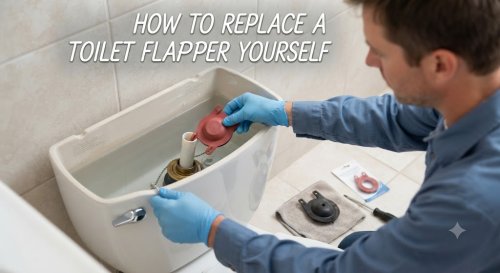
Remove the heavy porcelain toilet tank lid and set it safely on a bath mat or towel.
-
Reach inside the tank and pull up on the float arm or float cup attached to the vertical fill valve. Raising the float tricks the valve into thinking the tank is full, stopping incoming water instantly.
-
Prop the float in the raised position using a small piece of wood, a rolled-up cloth, or a pencil, or manually secure the rubber flapper over the drain hole at the bottom of the tank.
Step 3: Stop Overlapping Flush Cycles
If a clog is causing the bowl to fill toward the rim, do NOT flush the toilet a second time. A standard residential toilet tank holds 1.28 to 3.5 gallons of water, while the bowl usually holds less than a gallon. A second flush will force the entire contents of the tank over the rim onto your bathroom floor.
Step 4: Contain Overflow & Protect Subfloors
Wastewater seeps quickly through tile grout, sheet vinyl seams, and hardwood flooring into the subfloor below:
-
Stack old towels, rags, or blankets around the toilet base to create an absorbent dam.
-
Scoop standing water out of the bowl into a bucket using a cup or small container if the water level remains dangerously close to spilling over.
-
If water has leaked through the floor into a basement or downstairs room, place buckets underneath dripping areas and turn off electricity to lower-level light fixtures if water is dripping near electrical boxes.
What NOT to Do When Your Toilet Is Overflowing or Leaking
In the rush to fix a toilet problem, well-meaning steps can worsen the situation or create safety hazards. Avoid these common mistakes:
-
Do NOT keep flushing to "push the clog through": Flushing a clogged toilet repeatedly guarantees an overflow.
-
Do NOT pour chemical drain openers into a backed-up toilet: Harsh chemical drain cleaners contain lye or sulfuric acid that generate intense chemical heat inside standing water. This can crack cold porcelain bowls, ruin wax rings, dissolve PVC pipe joints, and create hazardous chemical splashes if plunging becomes necessary later.
-
Do NOT plunge aggressively while the bowl is brimming with water: Plunging a completely full bowl creates messy, unsanitary splashes across walls and floor surfaces. Bail out excess water until the bowl is half full before using a plunger.
-
Do NOT use a standard flat sink plunger: Sink plungers are designed for flat drain basins. They cannot form a tight seal inside the curved horn at the base of a toilet bowl. Use a flange plunger with a fold-out rubber sleeve.
-
Do NOT ignore water pooling around the toilet base: Water leaking from under the toilet base during a flush signals a failed wax seal or cracked flange, allowing waste-laden water to rot subfloors continuously out of sight.
Common Toilet Emergencies in Hermon Homes
Toilet failures range from simple mechanical jams to severe drain line blockages. Understanding the failure type helps determine whether a quick fix or an emergency plumbing repair is required.
Severe Sewer or Septic Backups
When multiple fixtures—such as a toilet, bathtub, and basement drain—gurgle or back up simultaneously, the issue is not in the toilet itself. It indicates a restriction in the main sewer lateral or private septic line. In Hermon homes using private septic tanks, a full tank, clogged inlet baffle, or frozen septic line causes sewage to take the path of least resistance: your lowest toilet or shower drain.
Blown Wax Ring & Subfloor Leaks
The toilet wax ring creates a gas- and watertight seal between the horn at the bottom of the toilet and the closet flange anchored to your subfloor. Over time, house settling, loose mounting bolts, or rocking toilet bases crush and break the wax seal. Every flush forces water out under the toilet base, leading to soft flooring, mold growth, and unpleasant sewer gas odors inside the bathroom.
Cracked Porcelain Tank or Bowl
Porcelain is durable under pressure, but vulnerable to impact, thermal shock (pouring boiling water into a cold bowl), or over-tightened mounting bolts. A hairline crack in the water tank can slowly leak gallons of fresh water onto the floor unnoticed, while a bowl crack allows sewage-contaminated water to leak whenever the toilet is used.
Stuck Flapper or Failed Fill Valve (Silent Flooding)
When an internal fill valve fails to shut off, water continues running down the overflow tube into the bowl. If the bowl drain is simultaneously restricted or slow, this "running toilet" can slowly overflow over several hours, causing major floor damage—especially in second-story bathrooms or overnight.
Local Factors Affecting Toilet Plumbing in Hermon & Penobscot County
Local climate and property infrastructure in Central Maine create unique challenges for residential plumbing systems.
+-----------------------------------------------------------------------------------+
|               HERMON, ME PLUMBING SYSTEM ENVIRONMENT CONSIDERATIONS                |
+-----------------------------------------------------------------------------------+
|  Private Septic vs. Sewer:                                                        |
|  Many Hermon properties use private septic tanks rather than municipal sewer.    |
|  Non-flushable items ruin septic bacterial balance and clog inlet baffles quickly. |
|                                                                                   |
|  Severe Sub-Zero Frost Lines:                                                     |
|  Uninsulated crawl spaces, mobile home skirts, or cellar draft points freeze      |
|  waste lines, blocking toilet discharge during extreme cold snaps.                |
|                                                                                   |
|  Well Water Hardness & Iron:                                                      |
|  High mineral content from deep bedrock wells scales internal tank valves and     |
|  clogs rim jets, causing weak, partial flushes.                                   |
+-----------------------------------------------------------------------------------+
Private Septic Systems vs. Municipal Infrastructure
Unlike dense urban centers, many residences in Hermon and surrounding Penobscot County communities rely on private septic systems and deep bedrock water wells. Flushable wipes, paper towels, facial tissues, and feminine hygiene products do not break down in septic tanks. They accumulate in the tank baffle or main line, causing sudden, messy toilet backups.
Freezing Drafts & Uninsulated Waste Lines
During Central Maine winter cold snaps, sub-zero temperatures penetrate crawl spaces, unheated basements, and exterior walls. If a toilet drain pipe or septic line passes through an uninsulated space, wastewater can freeze inside the pipe, creating an ice blockage that completely stops toilet drainage.
Well Water Mineral Scaling
Properties supplied by deep private wells in Central Maine often encounter mineral-rich hard water containing iron and calcium. Over time, these mineral deposits coat internal fill valves, corrode flush valve seats, and clog the small siphon jet holes around the toilet bowl rim, leading to weak, incomplete flushes that leave waste behind in the trapway.
Symptoms That Signal an Urgent Toilet Plumbing Issue
Not every toilet issue requires immediate emergency service, but certain symptoms require prompt attention to avoid water damage or health hazards.
| Symptom | Probable Cause | Urgency Level | Recommended Action |
| Water overflowing over the bowl rim | Blocked toilet trapway or main sewer/septic clog | CRITICAL EMERGENCY | Shut off toilet valve immediately; do not flush; call plumber |
| Water lifting up in shower when toilet is flushed | Main sewer line or septic tank inlet blockage | HIGH EMERGENCY | Stop using all water fixtures; inspect septic tank/main line |
| Water pooling around toilet base during flush | Damaged wax ring seal or broken toilet flange | HIGH | Stop using toilet; replace wax ring and inspect subfloor |
| Gurgling or bubbling sounds from bowl | Vent stack blockage or main line drain backup | MEDIUM-HIGH | Inspect vent stack; clear main line before total blockage occurs |
| Constant running water sound inside tank | Worn flapper valve, float misadjustment, or bad fill valve | MEDIUM | Shut off tank valve when not in use; replace fill valve/flapper |
| Trickling water or slow bowl fill | Mineral buildup in fill valve or clogged rim jets | LOW-MEDIUM | Clean rim jets or replace internal toilet tank components |
Safe Homeowner Checks vs. Tasks Requiring a Licensed Plumber
Knowing what you can safely check yourself prevents unnecessary service calls, while recognizing complex jobs protects your home from costly installation errors.
What Homeowners Can Safely Check
-
Toilet Flapper & Chain: Open the tank lid to ensure the chain is attached to the flush lever without catching on internal components.
-
Float Height: Adjust the float clip or screw on the fill valve so the water level sits about 1/2 inch below the top of the overflow pipe.
-
Basic Plunging: Clear simple organic clogs in the bowl trapway using a heavy-duty flange plunger.
-
Visual Inspection: Look for visible cracks along the outside of the porcelain tank or bowl.
Tasks Requiring a Licensed Plumber
-
Clearing Main Sewer or Septic Line Stoppages: Snake deep drain lines using heavy motorized drain augers or hydro-jetting equipment.
-
Replacing Broken Toilet Closet Flanges: Repair or replace cracked or corroded metal/PVC flanges anchored to subfloors or concrete slabs.
-
Pulling & Resetting Toilets: Lift heavy porcelain fixtures, inspect subfloor integrity for rot, install new wax rings or rubber gaskets, and properly torque floor bolts without cracking porcelain.
-
Thawing Frozen Waste Lines: Safely thaw frozen toilet soil pipes inside walls or crawl spaces without damaging PVC or cast iron lines.
-
Replacing Corroded Shutoff Valves: Sweat or crimp new shutoff valves onto water supply pipes behind the wall.
What to Expect During Professional Emergency Toilet Repair
When an emergency plumber arrives at your home to resolve a toilet issue, they follow a systematic process to identify and resolve the problem efficiently:
-
System Isolation & Containment: The technician verifies that incoming water is isolated and checks surrounding flooring for moisture penetration.
-
Diagnostic Evaluation: The plumber determines whether the stoppage is localized to the toilet trapway, within the fixture's internal components, or deeper down the branch waste line or main sewer/septic pipe.
-
Clearing the Line:
-
For localized clogs, a professional closet auger (toilet snake) with a protective rubber guard clears the obstruction without scratching the porcelain bowl.
-
For deeper line blockages, the technician may pull the toilet off the flange to route a heavy-duty drain auger directly into the 3-inch or 4-inch soil pipe.
-
-
Inspecting Seals & Mounting Hardware: If the toilet must be pulled, the plumber cleans off old wax, inspects the closet flange for structural cracks, checks the subfloor condition, and installs a new wax ring or heavy-duty polyurethane seal.
-
Resetting & Testing: The toilet is reset, leveled with composite shims if needed, bolted down securely, and reconnected to water. The technician completes multiple test flushes while checking for leaks around the base and supply fittings.
Factors That Influence Emergency Toilet Repair Costs
Emergency toilet repair costs vary depending on several practical factors:
-
Location of the Stoppage: Clearing a simple obstruction inside the toilet trapway requires less time and labor than snaking or jetting a main waste line through a cleanout or roof vent.
-
Condition of Mounting Hardware & Subfloors: If an old wax ring leak has rusted out the closet flange or rotted surrounding wooden subfloors, flange repair plates or subfloor reinforcement add labor and materials to the repair.
-
Replacement Parts Required: Simple repairs involve internal tank rebuild kits (fill valve, flapper, lever). More involved work includes replacing the entire toilet fixture if the porcelain is cracked.
-
Emergency Dispatch Timing: Calls made after standard business hours, on weekends, or during extreme holiday weather events incur standard emergency service rates.
-
Accessibility: Tight powder rooms, difficult basement crawl space access, or heavy cast-iron plumbing systems require additional labor.
Note on Repair Costs: Plumbing service costs depend on problem severity, accessibility, materials required, emergency dispatch timing, property type, and local labor rates. A qualified technician provides an upfront estimate following a physical inspection.
12 Common Mistakes Homeowners Make During Toilet Emergencies
-
Flushing "flushable" wipes down the toilet, which do not break down and quickly clog septic inlet baffles and drain lines.
-
Pouring harsh chemical drain openers into standing water inside a clogged toilet bowl.
-
Using a flat sink plunger instead of a collapsible flange plunger to clear a toilet clog.
-
Over-tightening toilet floor bolts or tank-to-bowl bolts, which cracks the porcelain structure.
-
Ignoring a toilet base that rocks or wiggles, which breaks the wax seal and rots subflooring over time.
-
Leaving garden hoses attached or crawl space vents open in winter, leading to frozen soil pipes.
-
Pouring boiling water down a cold porcelain bowl, causing thermal shock that cracks the ceramic.
-
Using excessive force on a corroded shutoff valve handle, snapping the pipe behind the wall.
-
Failing to check the water level in the tank, causing continuous running water and inflated utility bills.
-
Using blue chemical cleaning tablets inside the tank, which corrode rubber flappers, fill valve seals, and plastic fittings prematurely.
-
Flushing paper towels, facial tissues, or cotton swabs, which catch on internal pipe burrs and trigger backups.
-
Delaying professional repair for recurring gurgling drains, allowing small line restrictions to develop into full sewage backups.
Preventative Maintenance to Avoid Emergency Toilet Failures
Regular checks help ensure reliable operation and prevent unexpected toilet overflows:
+-----------------------------------------------------------------------------------+
|                        PREVENTATIVE TOILET MAINTENANCE CHECKLIST                   |
+-----------------------------------------------------------------------------------+
| [ ] Inspect the supply line and shutoff valve behind the toilet every 6 months    |
|     for green corrosion, water droplets, or stiff valve action.                   |
| [ ] Test the main shutoff valve and toilet angle stop to ensure smooth operation. |
| [ ] Replace rubber tank flappers every 2 to 3 years before they warp or disintegrate.|
| [ ] Keep trash cans in every bathroom to prevent non-flushable items from being    |
|     flushed down the toilet.                                                      |
| [ ] Clean mineral scale out of siphon jet holes and rim jets using vinegar        |
|     and a small stiff brush annually.                                             |
| [ ] Ensure toilets are securely anchored to the floor without rocking or shifting. |
| [ ] Have private septic systems inspected and pumped every 3 to 5 years.          |
+-----------------------------------------------------------------------------------+
Frequently Asked Questions
Why is my toilet overflowing when I haven't flushed it?
If your toilet bowl fills or overflows without being flushed, wastewater is backing up from another fixture connected to the same drain line—such as a washing machine, shower, or upstairs bathroom. This indicates a main sewer line or septic tank blockage.
Can I use a regular drain snake on a toilet?
No. Standard bare metal drain snakes can scratch and ruin the porcelain finish inside the toilet bowl trapway. Always use a specialized toilet closet auger, which features a protective rubber elbow sleeve to protect the ceramic.
What causes water to pool around the base of the toilet?
A pool of water around the toilet base after flushing usually points to a broken wax ring seal or a cracked closet flange beneath the toilet. Less often, condensation ("toilet sweating") dripping off an uninsulated tank during warm, humid weather can accumulate on the floor.
How do I know if my clog is in the toilet or the main sewer line?
If only one toilet is clogged and all other sinks, tubs, and toilets in the house drain normally, the clog is restricted to that single toilet trapway. If multiple drains gurgle, drain slowly, or back up simultaneously, the issue is in the main sewer or septic line.
What should I do if my toilet shutoff valve won't turn?
Do not use heavy pliers or force a frozen valve. If water is actively overflowing, open the toilet tank lid and pull up on the float arm to stop the fill valve manually, or turn off your home's main water supply valve.
Why does my toilet gurgle when the shower or bathtub drains?
Gurgling sounds indicate air is being drawn into the drainage system because of a vent stack blockage or a developing obstruction in the main sewer line. As trapped water tries to flow past the restriction, it pulls air through the toilet trap.
How often should a toilet wax ring be replaced?
A toilet wax ring can last 20 years or more if the toilet remains undisturbed. However, if the toilet becomes loose and rocks, if the flange breaks, or if water leaks around the base during a flush, the wax ring must be replaced immediately.
Are flushable wipes safe for private septic systems in Maine?
No. Despite marketing claims, "flushable" wipes do not break down rapidly in water. In private septic systems common across Central Maine, wipes collect in the septic tank inlet pipe, bind with grease, and cause severe line blockages.