How Much Does Sewer Line Cleaning Cost in Milwaukee
: Discover sewer line cleaning costs in Milwaukee, WI. Learn causes, warning signs, local pricing factors, and DIY risks. Call Tims Plumbing HVAC!


How Much Does Sewer Line Cleaning Cost in Milwaukee, WI?
Dealing with a backing-up toilet, gurgling drains, or wastewater pooling in your basement is one of the most stressful experiences a property owner can face. For homeowners and business owners throughout Milwaukee, Waukesha, Oak Creek, and surrounding Southeast Wisconsin communities, maintaining a clear and functional sewer lateral is critical to protecting property value and indoor health.
When plumbing lines slow down or fail completely, the immediate question on everyone's mind is: How much is this going to cost?sewer line cleaning cost Milwaukee
Understanding the financial and operational realities of sewer line cleaning in the Cream City market requires looking past generic online estimates. Local factors—ranging from historic Cream City brick housing stock and mature neighborhood maples to deep regional frost lines—play a major role in how sewer maintenance is priced and performed.
This comprehensive guide breaks down everything you need to know about sewer line cleaning costs in Milwaukee, WI, what causes main line failures, warning signs to watch for, and how working with a trusted local expert like tims plumbing hvac ensures your system gets back on track safely.
What Is Sewer Line Cleaning?
Sewer line cleaning is the specialized process of clearing blockages, grease build-up, scale, mineral deposits, and invasive tree roots from the main underground pipe that carries all wastewater from a home or commercial building out to the municipal sewer main in the street.
Common Situations & Symptoms
Unlike a localized clog in a single bathroom sink or kitchen drain, a main sewer line blockage impacts the entire plumbing system. When the main line is obstructed, multiple fixtures begin to fail simultaneously. Common symptoms include:
-
Multiple Fixture Backups: Flushing the toilet causes water to bubble up into the shower pan or bathtub.
-
Slow Draining Fixtures: Sinks and tubs drain sluggishly throughout the entire house, even after using standard household plunger methods.
-
Gurgling Plumbing: Toilets or drains make a gurgling, bubbling sound when other appliances (like a washing machine or dishwasher) are draining.
-
Wastewater Odors: A persistent, unpleasant sewage smell lingering around floor drains, basements, or exterior yard cleanouts.
Why Does This Plumbing Problem Happen?
Sewer lines are subjected to heavy daily use, environmental pressure, and shifting ground conditions. In Southeast Wisconsin, several unique factors contribute to recurring sewer line clogs and blockages:
1. Aging Infrastructure and Pipe Materials
Many neighborhoods across Milwaukee, Waukesha County, and Oak Creek feature older residential and commercial properties built decades ago. Older homes often rely on aging clay tile, Orangeburg (bituminized fiber), or cast-iron sewer laterals. Over time, these materials degrade, crack, or shift at the joints.
2. Invasive Tree Roots
Mature maples, oaks, and poplers common across Wisconsin landscapes constantly seek moisture. Tiny cracks or loose joints in underground sewer pipes leak nutrient-rich water vapor into the soil. Tree roots infiltrate these openings, growing dense hair-like masses inside the pipe that trap toilet paper, grease, and debris.
3. Hard Water and Mineral Scale
Wisconsin groundwater is notoriously hard, carrying high concentrations of calcium and magnesium. Over decades, mineral scale coats the interior of metal and cast-iron sewer pipes, effectively narrowing the internal diameter and catching solid waste.
4. Grease, Fats, and "Flushable" Wipes
Pouring cooking oils, fats, and grease down kitchen sinks coats pipe walls, hardening into solid blockages. Furthermore, modern synthetic wet wipes—even those labeled "flushable"—do not disintegrate like toilet paper. They accumulate at pipe offsets and root intrusions, creating impenetrable blockages.
5. Ground Shifting and Freeze-Thaw Cycles
Milwaukee experiences harsh winters with deep frost lines, sometimes pushing ground freezing down to four feet or more. As soil freezes, expands, thaws, and shifts, vulnerable underground sewer pipes can crack, belly, or separate entirely.
Signs You Should Never Ignore
Ignoring minor drainage anomalies can turn a simple $300 cleaning into a multi-thousand-dollar sewer line replacement. Watch out for these critical warning signs:
-
Soggy Yard Patches: Unexplained patches of lush, bright green grass or soggy soil in your yard during dry summer months often indicate a broken or leaking sewer lateral underneath.
-
Pest Invasions: Rats, mice, and drain flies are attracted to damaged sewer pipes. If you notice an influx of pests with no obvious entry point, your sewer line may be compromised.
-
Basement Floor Drain Backups: When municipal or private sewer mains struggle during heavy spring rains in Milwaukee, unprotected basement floor drains are often the first place wastewater backs up.
-
Foundation Cracks or Sinkholes: Severe, uncontrolled underground leaks wash away supporting soil beneath a structure, leading to structural settling, slab cracks, or yard sinkholes.
Common Plumbing Problems Related to This Issue
A compromised sewer line rarely occurs in a vacuum. It is often tied to or accompanied by other pressing plumbing challenges:
-
Drain Clogs: Secondary branch lines connecting to the main stack (such as kitchen or laundry lines) frequently clog concurrently due to upstream backups.
-
Sewer Backups: Raw sewage backing up into living spaces creates severe biological hazards requiring specialized remediation.
-
Pipe Leaks and Burst Pipes: High internal pressure caused by downstream blockages can stress older pipe joints, leading to secondary leaks behind walls or beneath floors.
-
Water Heater Failures: Sediment and debris from backing-up systems can infiltrate water heater tanks or circulation valves if cross-contamination occurs.
Step-by-Step Professional Repair Process
When you call a licensed professional like tims plumbing hvac at 844 833 1546, you can expect a structured, transparent, and methodical approach to resolving your sewer line issues.
Step 1: Initial Consultation & Dispatch
When you contact our team serving Oak Creek, Milwaukee, and nearby communities, our dispatchers listen carefully to your symptoms, assess the urgency, and schedule a prompt technician dispatch.
Step 2: Advanced Video Camera Inspection
Before running any heavy machinery or cutting into lines, a licensed plumber inserts a high-definition fiber-optic sewer camera down the cleanout. This reveals the exact nature, distance, and location of the blockage—whether it is roots, scale, a collapsed pipe, or a foreign object.
Step 3: Transparent Estimate & Diagnosis
Armed with visual proof from the camera inspection, your plumber explains the findings clearly and provides an upfront, honest estimate detailing the recommended cleaning or repair strategy.
Step 4: Execution of Cleaning or Repair
Depending on the diagnostic findings, the technician deploys the appropriate method—such as motorized cabling (snaking) or high-pressure hydro jetting—to scour the pipe walls clean.
Step 5: Post-Cleaning Verification
A secondary camera pass is performed to verify that the pipe is entirely clear of debris, scale, and roots, ensuring optimal flow.
Step 6: Site Cleanup & Sanitization
Professional technicians respect your property. Work areas are thoroughly cleaned, sanitized, and left in pristine condition.
Step 7: Maintenance Advice & Warranty
Your plumber reviews preventative steps you can take to protect your system and explains any applicable warranties on workmanship.
Can You Fix It Yourself?
Homeowners frequently ask if they can clear a main sewer line using a rented rental-store auger or chemical drain cleaners purchased from a big-box store. Understanding the boundary between safe DIY and professional necessity is vital.
What Homeowners Can Safely Do
-
Clear P-Traps: Cleaning hair and soap scum out from under bathroom sink traps using a wrench and bucket.
-
Use a Manual Hand Plunger: Unclogging a single toilet bowl or standard sink drain with standard plunging techniques.
Why DIY Sewer Cleaning is Dangerous
-
Chemical Hazards: Liquid drain openers contain harsh acids or lye. If these chemicals fail to clear a main line blockage, they sit stagnant in the pipe. When a professional arrives to snake the line, standing caustic chemicals can splash back, causing severe chemical burns to skin and eyes.
-
Equipment Injury: Heavy motorized drain augers (rooters) possess massive torque. If the rotating cable catches on a root mass or pipe offset, it can whip violently, fracturing wrists, fingers, or arms.
-
Pipe Destruction: Forcing the wrong cutter blade through old clay or cast-iron pipes can puncture or shatter the pipe underground, turning a simple maintenance cleaning into an emergency excavation project.
When a main sewer line is blocked, calling a licensed professional is always the safest and most cost-effective choice.
Tools Professionals Use
Licensed plumbers utilize heavy-duty, industrial-grade technology that far outperforms consumer hardware store tools:
-
Drain Inspection Cameras: Waterproof push-cameras equipped with radio transmitters (sondes) that allow technicians above ground to pinpoint the exact depth and surface location of a pipe break or blockage.
-
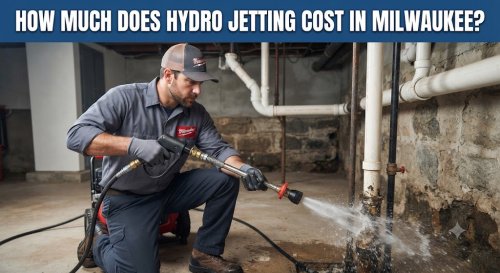
Hydro Jetting Systems: High-pressure water descaling units (delivering up to 3,000 to 4,000 PSI) that scour grease, mineral scale, and stubborn roots completely off interior pipe walls.
-
Heavy-Duty Sectional & Drum Cable Machines: Professional motorized augers with specialized cutting heads designed to slice through heavy root intrusions without damaging structural pipe walls.
-
Electronic Pipe Locators: Receivers that track sonde signals to map out underground sewer runs accurately before any digging occurs.
How Long Does the Repair Usually Take?
Sewer line cleaning and minor maintenance timelines vary based on job complexity:
-
Simple Main Line Clogs (Snaking): Typically takes 1 to 2 hours from arrival to completion.
-
Moderate Blockages (Hydro Jetting & Camera Verification): Usually takes 2 to 4 hours, depending on scale buildup and access points.
-
Major Repairs or Spot Replacements: If a section of pipe has collapsed and requires excavation or trenchless lining, the project can take 1 to 3 days.
Factors affecting time include ease of access to indoor or outdoor cleanouts, weather conditions, depth of the sewer lateral, and the severity of the blockage.
Cost Factors: How Much Does Sewer Line Cleaning Cost in Milwaukee, WI?
While fixed flat rates are frequently advertised, legitimate plumbing costs depend heavily on specific job variables. Across the Milwaukee and Oak Creek metro area, standard drain and sewer cleaning services typically range from $150 to $600+, while heavy hydro jetting or complex root removal ranges from $600 to $1,500+.
Key factors influencing your final investment include:
-
Severity and Type of Blockage: Simple soft clogs take less time than dense, calcified tree root bundles requiring multi-pass cutting or hydro jetting.
-
Accessibility: The presence of an accessible outdoor or basement sewer cleanout makes service fast and affordable. Lacking a cleanout may require pulling a toilet to access the stack.
-
Method Required: Standard cable snaking is generally more budget-friendly, whereas advanced high-pressure hydro jetting involves specialized equipment and water management.
-
Time of Service: Standard weekday appointments differ in cost from emergency middle-of-the-night or holiday dispatch calls.
-
Line Length and Diameter: Commercial properties or extra-long residential properties require more time and material to service thoroughly.
Hidden Truths Homeowners Should Know
-
Small Leaks Become Expensive Repairs: A slow-draining pipe today is a completely collapsed sewer line tomorrow if left unaddressed.
-
Cheap Temporary Fixes Fail: Pouring cheap acid cleaners down a backed-up main line rarely dissolves tree roots; it only burns holes in old metal pipes.
-
Insurance Usually Excludes Neglect: Standard homeowner insurance policies cover sudden water damage from burst pipes, but they rarely cover sewer backups caused by long-term lack of maintenance or root intrusion.
-
Hard Water Shortens Lifespan: Unsoftened Wisconsin water deposits scale inside pipes year after year, quietly choking flow capacity.
-
Annual Maintenance Saves Thousands: Spending a modest amount on annual preventative camera inspections and rodding prevents catastrophic midnight basement floods.
15 Common Mistakes Homeowners Make
-
Ignoring Slow Drains: Waiting until a drain stops completely instead of clearing it while it drains slowly.
-
Pouring Grease Down Kitchen Sinks: Letting hot bacon grease or cooking oils go down the drain where they solidify.
-
Flushing "Flushable" Wipes: Treating wet wipes, paper towels, and hygiene products like toilet paper.
-
Relying on Chemical Drain Cleaners: Dumping corrosive chemicals into blocked lines, risking pipe damage and injury.
-
Ignoring Water Pressure Changes: Failing to investigate sudden pressure drops or fluctuations.
-
Hiring Unlicensed Handymen: Working with uninsured contractors who lack formal plumbing credentials.
-
Skipping Regular Maintenance: Forgetting to service main lines for 5 to 10 years straight.
-
Delaying Repairs Until Emergencies: Waiting for a holiday weekend when emergency rates apply.
-
Using Incorrect Pipe Materials for DIY Fixes: Mismatching PVC, ABS, and cast-iron fittings.
-
Over-Tightening Plumbing Fittings: Cracking PVC adapters and fixture nuts by applying excessive torque.
-
Planting Trees Near Sewer Lines: Placing large maples, willows, or oaks directly over shallow sewer lateral paths.
-
Forgetting Where the Cleanout Is: Burying outdoor cleanout access caps under landscaping or concrete patios.
-
Using Plungers on Main Clogs: Attempting to plunge a sink when the main stack is blocked.
-
Disposing of Coffee Grounds and Eggshells: Washing fibrous or abrasive kitchen waste down garbage disposals connected to fragile lines.
-
Failing to Inspect Before Buying a Home: Purchasing an older Milwaukee home without getting a sewer camera scope first.
Maintenance Tips to Protect Your Sewer Line
-
Schedule Annual Inspections: Have a licensed technician scope your main line every 1–2 years if you have mature trees on your property.
-
Watch What You Flush: Only human waste and standard toilet paper should ever enter your toilet.
-
Scrape Plates Into Trash: Wipe greasy pans with a paper towel before washing them in the sink.
-
Install Hair Catchers: Use mesh screens over shower, tub, and bathroom sink drains.
-
Know Your Shut-Offs: Ensure all family members know where the main water shut-off valve is located.
-
Protect Against Freezing: Insulate basement plumbing lines exposed to exterior foundation walls during harsh Milwaukee winters.
-
Use Enzyme Treatments: Ask your plumber about safe, bio-enzymatic drain maintenance products that break down organic buildup safely without harming pipes.
-
Mind Outdoor Landscaping: Keep large-root trees at least 15–20 feet away from underground sewer lateral routes.
-
Test Sump Pumps Regularly: Ensure your basement water management system works seamlessly before spring thaw seasons.
-
Never Force Garbage Disposals: Feed food waste slowly with cold running water.
-
Avoid Chemical Overuse: Limit harsh chemical treatments that degrade rubber gaskets and older pipe joints.
-
Address Gurgling Immediately: Call a professional the moment you hear toilets gurgle.
-
Check Water Bills: Monitor monthly utility statements for unexplained spikes indicating hidden leaks.
-
Clear Drains Gently: Use mechanical plungers for minor localized clogs only.
-
Keep Cleanouts Accessible: Ensure your indoor and outdoor cleanout ports remain visible and unburied.
When Should You Call an Emergency Plumber?
Certain plumbing scenarios demand immediate, 24/7 professional intervention:
-
Total Sewage Backup: Raw sewage flooding your basement floor or backing up into bathtubs.
-
Burst Sewer or Water Pipes: A sudden rupture spewing water or wastewater into walls or foundations.
-
Zero Water Supply: Complete loss of running water across all household fixtures.
-
Overflowing Toilets That Won't Stop: An active overflow that cannot be halted by closing the fixture shut-off valve.
-
Major Flooding: Water accumulation threatening electrical panels or structural framing.
Frequently Asked Questions
1. Why is my water pressure suddenly low?
Sudden pressure drops are often caused by a failing pressure regulator, a partially closed main water valve, mineral buildup in aerators, or an underground service line leak between the street meter and your home.
2. How much does leak detection cost?
Professional electronic leak detection typically ranges from $250 to $500, depending on whether the leak is located inside a wall, beneath a concrete slab, or underground in the yard.
3. Can a clogged drain damage pipes?
Yes. Severe clogs create immense hydrostatic pressure behind the blockage, stressing pipe joints, causing cracks, or leading to complete pipe ruptures over time.
4. Is hydro jetting safe for old pipes?
Hydro jetting is generally safe for older Wisconsin cast-iron or clay pipes provided a pre-inspection camera check confirms the pipe structural integrity is sound. A certified technician adjusts water pressure to match the pipe's condition.
5. How do I know if my sewer line is broken?
Common indicators include persistent sewage odors, multiple clogged fixtures, soggy lawn patches above the pipe run, and video camera inspection confirmation showing structural collapse, offsets, or major cracks.
6. How long do sewer lines last?
Traditional PVC and ABS sewer lines can last 50 to 100 years. Older cast-iron pipes typically last 40 to 60 years, while clay tile lines often last 50 to 60 years before joint failure or root intrusion compromises them.
7. Why does my faucet drip?
A dripping faucet is usually caused by worn-out O-rings, degraded rubber washers, corroded valve seats, or mineral scale accumulation inside the cartridge.
8. What causes pipes to burst?
Pipes most commonly burst due to freezing winter temperatures when trapped water expands inside uninsulated lines, or from extreme internal pressure caused by downstream blockages.
9. Can plumbing leaks increase my water bill?
Absolutely. Even a small hidden leak or running toilet can waste thousands of gallons of water per month, leading to surprisingly high municipal utility bills.
10. When should I replace plumbing instead of repairing it?
You should consider replacement rather than repeated repairs when pipes show widespread corrosion, frequent pinhole leaks, extensive root damage, or when you are dealing with outdated, hazardous materials like Orangeburg pipe.
Why Choose Our Plumbing Company
When you need reliable plumbing and sewer services in Milwaukee, Oak Creek, Waukesha, and surrounding Southeast Wisconsin neighborhoods, tims plumbing hvac stands ready to deliver excellence.
-
Experienced Licensed Plumbers: Skilled, credentialed professionals who understand local Wisconsin building codes and regional housing stock.
-
Honest Recommendations: Straightforward advice with zero high-pressure sales tactics.
-
Upfront Estimates: Clear, transparent pricing before any work begins.
-
Fast Response Times: Prompt dispatch to resolve emergencies quickly and efficiently.
-
Modern Equipment: Cutting-edge camera scopes and hydro jetting technology for accurate, lasting solutions.
-
Customer Satisfaction: Dedicated workmanship focused on protecting your home and family.