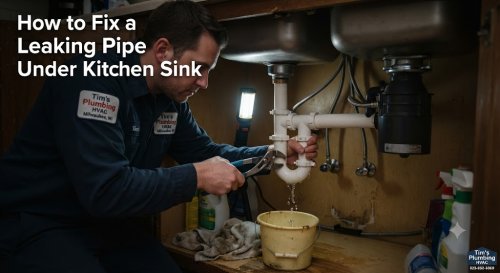
How to Reduce Water Damage After a Plumbing Emergency
Learn immediate steps to minimize water damage after a plumbing emergency in your Oak Creek, WI home. Stop leaks safely and prevent mold risks.

Immediate Actions to Take When Water Starts Pouring
When a sudden plumbing failure occurs—whether a supply line snaps under a kitchen sink, a water heater tank ruptures, or a frozen pipe splits during a bitter Wisconsin winter freeze—every single minute matters. The primary goal during the first few minutes of any water-related emergency is halting the flow of water before structural elements, flooring, and electrical systems absorb excessive moisture.
Your very first action should always be shutting off the water supply. If the leak is isolated to a specific fixture, such as a toilet or a bathroom sink, locate the dedicated shutoff valve directly beneath or behind it and turn it clockwise until fully closed. However, if the source is hidden inside a wall, originates from a main supply line, or involves a catastrophic failure where individual valves are inaccessible or rusted open, you must shut off the main water valve for the entire property. In most Oak Creek homes with basements or utility rooms, this main valve is typically located near where the municipal water service enters the foundation wall. Every adult in the home should know exactly where this valve is located and how to operate it before an emergency strikes.
Ensuring Electrical and Structural Safety
Water and electricity create a severe, life-threatening hazard. Before you attempt any cleanup or salvage efforts, evaluate the safety of the immediate area. If water is pooling near electrical outlets, baseboard heaters, extension cords, or a breaker panel, do not step into standing water. If it is safe to access your electrical panel without walking through water, turn off the breakers supplying power to the affected rooms or appliances. If the electrical panel is in a flooded basement or near standing water, contact your electric utility or a qualified professional immediately rather than risking electrocution.
Beyond electrical risks, consider structural integrity. Water adds immense weight to drywall, ceilings, and subfloors. If you notice a ceiling sagging beneath a bathroom leak, do not stand directly underneath it. Puncture a small, controlled hole at the lowest point of the sag using a screwdriver to let the trapped water drain into a bucket, which prevents a sudden, heavy collapse of saturated drywall.
Diverting and Containing Active Leaks
While shutting off the water stops new supply from feeding the leak, residual water trapped in pipes or system components will continue draining out. Use heavy-duty buckets, plastic storage bins, or trash cans to catch active drips. For water spreading across hardwood, tile, or laminate flooring, use towels, mops, or a wet/dry shop vacuum to remove standing water quickly. Preventing water from migrating into adjacent rooms or seeping down baseboards and floor vents significantly reduces long-term damage.
Why Visible Puddles Don't Tell the Whole Story
A common misconception during plumbing emergencies is that wiping up the visible puddle solves the problem. Water naturally follows the path of least resistance, traveling along pipe runs, framing members, and subfloors before emerging below. Water that pools in a kitchen hallway may have traveled several feet along a subfloor from a leaking refrigerator supply line or dishwasher connection. Inspecting above the puddle and checking adjacent wall cavities with your hand or a moisture meter ensures you find where the water actually migrated.
Salvaging Belongings and Accelerating Drying
Once the water source is contained and safety is secured, focus on moving vulnerable items out of harm's way. Lift furniture off wet carpets by placing aluminum foil or plastic wrap under wooden furniture legs to prevent wood stain from bleeding into the fibers. Move cardboard boxes, books, electronics, and rugs to a dry, elevated surface, such as a concrete garage floor or an upper-level room.
Drying the structure rapidly is critical to preventing mold growth, which can begin developing within 24 to 48 hours in damp indoor environments. Open interior doors to improve airflow throughout the home. Set up portable box fans and oscillating fans to blow air directly across wet floors and walls. If outdoor humidity permits, running a portable dehumidifier in the closed space draws moisture out of building materials far faster than natural evaporation alone. However, avoid using forced-air heating systems if water has entered ductwork or if the HVAC unit itself was compromised by flooding.
Documenting Damage for Insurance Purposes
Before discarding heavily damaged building materials, drywall, or personal property, document the event thoroughly. Take clear, high-resolution photographs and short video clips of the standing water, saturated materials, and the plumbing failure point itself. Insurance carriers require concrete visual evidence of the initial damage and its origin to process claims correctly. Keep a detailed log of emergency professional services, equipment rentals, and temporary repair costs.
When Professional Restoration and Plumbing Repair Are Required
While immediate DIY containment stops the bleeding, major water emergencies often require specialized intervention. A licensed plumber must evaluate and repair the root cause of the failure, whether it requires replacing a split section of PEX or copper piping, rebuilding a faulty valve, or replacing a compromised water heater. Furthermore, if water has saturated structural insulation, wall cavities, or subflooring extensively, specialized structural drying equipment, industrial air movers, and commercial-grade dehumidifiers operated by a professional water damage restoration team may be necessary to prevent hidden mold and wood rot.
Frequently Asked Questions
- Should I turn off my water heater during a plumbing emergency?
If the plumbing emergency involves a leaking water heater or a major disruption to your home's water supply, shutting off the power source to the water heater is vital. Electric water heaters can burn out their upper and lower heating elements if the tank runs dry, while gas water heaters should be switched to 'pilot' or 'off' to prevent damage to the combustion chamber. - How fast does mold start growing after a water leak?
Mold spores can germinate and begin colonizing within 24 to 48 hours of a water event, especially in warm, poorly ventilated spaces like basements or crawl spaces. Rapid extraction, continuous air movement, and dehumidification are your best defense against biological growth. - Can I use my standard household vacuum to suck up water?
No. Standard upright household vacuums are not designed to ingest liquids and present a severe electric shock hazard if moisture reaches their internal electrical motors. Only use a certified wet/dry shop vacuum specifically rated for liquid extraction. - What should I do if water leaks into my electrical panel?
Never touch a wet electrical panel or standing water near electrical equipment. Leave the area immediately and contact your electric utility or emergency services to disconnect power from the grid before any entry or inspection is attempted. - How do I know if water has seeped underneath my flooring?
Water easily penetrates seams in laminate, hardwood, and tile grout lines. Signs of trapped subfloor moisture include a spongy feel when walking, buckling or cupping wood planks, musty odors, and baseboards that begin warping or swelling near the bottom edge. - Are frozen pipe bursts covered by homeowner insurance?
Coverage depends entirely on your specific insurance policy and whether you took reasonable precautions to heat the property during freezing weather. Review your policy details or consult your insurance agent directly to understand your coverage limits for sudden accidental discharge of water.