What to Do in a Plumbing Emergency in Hermon, ME
A plumbing emergency in your home is fast, stressful, and destructive. Whether it is a burst pipe flooding your basement on a freezing January night or a severe drain backup on a weekend, water damage compounds by the minute.
When water is actively flowing where it shouldn't, knowing what steps to take in the first five minutes can save you thousands of dollars in structural damage and clean-up costs.
First 5 Minutes: Immediate Action Steps
If you are currently facing an active plumbing emergency, stop reading after this section and take these steps right away:
-
Shut Off the Water Source
-
For isolated leaks: Turn the fixture shutoff valve (angle stop) clockwise. These are typically located under sinks, behind toilets, or behind washing machines.
-
For major leaks or burst pipes: Shut off the main water valve to the home immediately.
-
-
Turn Off the Water Heater
-
If you must shut off the main water supply, turn off your water heater. For electric units, switch off the breaker in the main panel. For gas units, switch the thermostat knob on the gas valve to "PILOT" or "OFF." Running a water heater without water in the tank can burn out the heating elements or crack the tank.
-
-
Contain the Flowing Water
-
Use buckets, plastic tubs, towels, or mops to trap water and keep it away from drywall, baseboards, floor vents, and electrical outlets.
-
-
Open Low-Level Faucets
-
After turning off the main supply valve, open an outdoor hose spigot or a basement sink faucet to drain the remaining water out of the interior pipes.
-
-
Call a Professional Emergency Plumber
-
Contact an experienced local emergency plumbing service to get a technician dispatched to your home.
-
How to Find and Operate Your Main Water Shutoff Valve
Every adult in your household should know where the main shutoff valve is located before an emergency happens. In Hermon and surrounding Penobscot County homes, main shutoffs are almost always located indoors to protect them from harsh Maine winter freezing.
Where to Look in a Hermon Home
-
Basements: Look near the front wall of the basement (facing the street or main road) where the water service line enters through the foundation floor or wall.
-
Crawl Spaces or Utility Rooms: In homes built on a slab or crawl space, check near the water heater, furnace, or pressure tank (if you are on a well).
-
Near the Water Meter or Well Pressure Tank: The valve is usually located right before or after the meter or well pressure control system.
Types of Main Shutoff Valves
| Valve Type | Visual Description | How to Turn Off |
| Ball Valve | Features a straight lever handle. Common in modern or updated plumbing systems. | Turn the lever 90 degrees until it is perpendicular (at a right angle) to the pipe. |
| Gate Valve | Features a round, wheel-like handle. Common in older homes. | Turn the wheel clockwise ("Righty-Tighty") until it stops. Do not force it if rusted. |
Safety Warning: If a gate valve is visibly corroded or stuck, do not apply excessive force using pliers or wrenches. Over-torquing an old valve can break the stem, turning a minor issue into a major break. If it won't budge, shut off the pump breaker (if on a well) or call your local water district for assistance at the curb stop.
What NOT to Do During a Plumbing Emergency
In the panic of a sudden leak, well-meaning homeowners often take steps that make the damage worse or create serious safety hazards.
-
Do NOT touch electrical outlets or panel boxes while standing in standing water. Electrical shock is a critical risk. If water is near outlets or your electrical panel, contact your electric utility or an electrician before stepping into the water.
-
Do NOT use chemical drain cleaners on a complete stoppage or sewer backup. Liquid drain cleaners contain harsh chemicals like sulfuric acid or sodium hydroxide. If the drain is completely blocked, these chemicals sit in the pipe, eating away at metal/PVC joints and creating a hazardous splashing hazard for the plumber who works on the line later.
-
Do NOT try to thaw frozen pipes with open flames. Using propane torches or open flames on frozen metal pipes is a leading cause of residential house fires. Heat must be applied slowly and safely.
-
Do NOT flush toilets during a suspected sewer main backup. If wastewater is coming up through floor drains, tubs, or lower-level toilets, flushing additional toilets will push more sewage back up into your living areas.
Is It a True Plumbing Emergency?
Not every plumbing issue requires an immediate late-night dispatch, but several critical situations cannot wait until regular business hours.
Situations Requiring Immediate Emergency Attention
-
Active, Uncontrollable Leaks: Water leaking into ceilings, floors, or walls that cannot be isolated with a local valve.
-
Sewer Line Backups: Raw sewage coming up into sinks, tubs, or basement floor drains. This is a severe health hazard.
-
Completely Burst or Frozen Pipes: Ice expansion breaking supply lines, causing water to pour out when thawed.
-
No Water Supply in Winter: A total loss of water during below-zero weather often indicates frozen main lines, putting your entire system at risk of splitting.
-
Gas Line Leaks or Rotten Egg Odors: If you smell gas, leave the property immediately and call your gas utility and emergency services from a safe distance outside.
Issues That Can Safely Wait Until Normal Business Hours
-
A slow drip from a kitchen or bathroom faucet (if isolated or caught in a bucket).
-
A single clogged sink when other sinks in the house are functioning normally.
-
A running toilet that stops when you shut off the valve behind the tank.
-
A water heater that isn't producing hot water, provided it is not leaking water onto the floor.
Local Plumbing Factors Unique to Hermon & Central Maine
Plumbing systems in Hermon, ME, face specific environmental and infrastructure conditions that dictate how emergencies happen and how they are repaired.
Sub-Zero Winter Temperatures & Deep Freeze Lines
Hermon winters bring long stretches of sub-zero temperatures. Frost lines in central Maine routinely reach several feet into the ground. Pipes located in unconditioned crawl spaces, exterior walls, rim joists, or unheated basements are at severe risk of freezing. When water freezes inside a pipe, it expands, creating pressure exceeding 2,000 PSI—enough to split copper, PEX, or galvanized steel pipes.
Well Systems vs. Municipal Connections
Many properties in the area rely on private drilled wells and pressure tanks, while others connect to municipal utility services.
-
If you are on a private well: A loss of water or severe pressure drop might stem from a failed pressure switch, a damaged well pump control box, or a frozen line from the wellhead to the house. In a well system emergency, switching off the breaker to the well pump prevents the pump motor from burning out while dry.
-
If you are on municipal water: Knowing the location of your main shutoff inside the home—and when to request a main shutoff at the street—is vital.
Older Housing Stock & Material Fatigue
From historic homes to country properties, many residences feature aging pipe materials. Older galvanized iron pipes corrode internally, reducing water pressure and cracking under thermal stress. Older cast iron sewer lines are vulnerable to root intrusion from native trees, leading to sudden main line blockages.
Common Causes of Plumbing Emergencies
Understanding what triggers a plumbing emergency can help you prevent them or identify the source when something goes wrong.
[Freeze / Thermal Expansion] ──► Burst Water Pipes ──► Active Indoor Flooding
[Tree Roots / Scale Build-up] ─► Sewer Line Block ─► Multi-Fixture Drain Backup
[Sediment / Tank Age] ─────────► Water Heater Fail ─► Sudden Water Discharge
1. Frozen and Burst Supply Line Pipes
When water inside a pipe freezes, it creates an ice block that traps water between the ice plug and the closed fixture. The resulting hydraulic pressure leads to pipe rupture. The burst often goes unnoticed until the temperature rises and the ice melts, allowing pressurized water to flood the home.
2. Main Sewer Line Backups
Your main sewer line carries all household waste to the municipal system or private septic tank. When tree roots penetrate the pipe joints, or when fats, oils, grease (FOG), and "flushable" wipes accumulate, the pipe completely closes. Waste from upper floors flows back up through the lowest drains in the home.
3. Water Heater Tank Failures
Standard tank-style water heaters have a service life of roughly 8 to 12 years. Internal corrosion caused by water reactions eventually degrades the steel tank. When the inner lining fails, the tank can split or drop its bottom, spilling 40 to 80 gallons of heated water into your home continuously until the supply is shut off.
4. Sump Pump Failures During Heavy Rain or Snowmelt
During spring thaws or heavy rainstorms, basements rely on sump pumps to remove ground runoff. If a sump pump suffers a mechanical failure, float switch sticking, or power loss, ground water quickly fills the basement or crawl space.
What a Professional Plumber Will Do When They Arrive
When an emergency plumber arrives at your home, they follow a systematic approach to secure the site and complete an effective repair.
-
Safety Assessment & Main Line Isolation: The plumber first ensures the home is safe from electrical hazards and confirms that the water source is fully isolated.
-
Diagnostic Evaluation:
-
For Leaks: Locating the exact breach using pressure tests or moisture meters if hidden in walls or ceilings.
-
For Clogs: Utilizing high-definition sewer camera inspection equipment to view inside main lines and pinpoint line breaks, root intrusions, or belly issues.
-
-
Emergency Containment & Water Extraction: Stopping active flow and helping mitigate immediate structural risks.
-
Repair Scope & Explanation: Explaining the options clearly so you understand the scope of the fix required.
-
Execution of Repair: Replacing damaged pipe sections, clearing blockages with professional drain equipment, or installing replacement components.
-
System Restoration & Testing: Slowly repressurizing the plumbing lines, checking for leaks under pressure, Bleeding air from fixtures, and verifying proper system operation.
Professional Equipment Used in Emergency Repairs
Emergency plumbing requires specialized, heavy-duty machinery designed for rapid diagnostics and tough repairs.
-
Heavy-Duty Drain Snakes & Cables: Motorized augers equipped with hardened steel cutting heads designed to chew through tough roots, grease, and debris in main sewer lines.
-
Sewer Inspection Cameras: Waterproof digital cameras attached to flexible fiber-optic cables that provide real-time video feed of the pipe interior, revealing exact locations of damage or blockages.
-
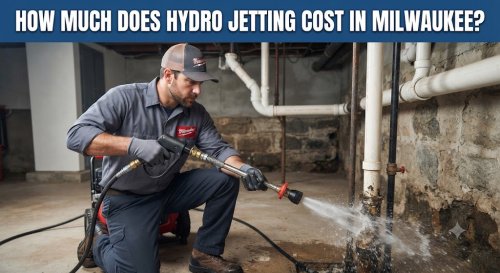
Hydro-Jetting Equipment: High-pressure water systems (operating from 1,500 to 4,000 PSI) used to scour scale, sludge, and tree roots out of main drain lines.
-
Pipe Locators: Electronic transmitters used above ground to trace the exact depth and path of underground drainage or water service lines.
Understanding Emergency Plumbing Repair Costs
Plumbing repair costs vary depending on the severity of the problem, accessibility, materials required, emergency service, property type, and local labor rates.
Factors That Influence Your Final Bill
-
Timing and Dispatch: Emergency calls dispatched outside standard business hours—such as late nights, weekends, or major holidays—incur standard emergency service or dispatch rates to cover off-hours staffing.
-
Accessibility: A pipe burst inside an exposed basement ceiling is straightforward to access. A leak located under a concrete slab foundation, behind tiled shower walls, or buried six feet underground requires additional labor, excavation, or wall removal.
-
Severity & Equipment Needs: Clearing a basic drain line with a snake involves standard equipment. Clearing a main line blocked solid with tree roots using hydro-jetting and camera inspections requires specialized machinery and expertise.
-
Materials Required: Replacing a short section of accessible copper with PEX differs significantly from replacing an entire failed water main or installing a new water heater unit on the spot.
Common Homeowner Mistakes to Avoid
-
Mistake: Waiting until morning to report an active, flowing leak.
-
Why it's a problem: Water travels fast. A minor leak left overnight can ruin ceiling drywall, subfloors, insulation, and hardwood flooring.
-
Better approach: Turn off the water immediately and call for emergency assistance right away.
-
-
Mistake: Attempting to thaw frozen pipes with heat guns or propane torches inside walls.
-
Why it's a problem: Direct high heat can scorch wood framing or burst the pipe violently due to steam buildup inside the frozen line.
-
Better approach: Open cabinet doors, raise room temperatures, and use gentle ambient heating or heat tape safely.
-
-
Mistake: Forgetting to disconnect garden hoses in late autumn.
-
Why it's a problem: Trapped water in the hose freezes back into the outdoor sillcock spigot, splitting the internal frost-free valve pipe inside the home's rim joist.
-
Better approach: Disconnect all hoses, drain them, and store them before the first hard autumn freeze.
-
-
Mistake: Flushing "flushable" wet wipes down the toilet.
-
Why it's a problem: Wipes do not dissolve in water like toilet paper. They snag on minor pipe imperfections and build into massive sewer line blockages.
-
Better approach: Throw all wipes, paper towels, and sanitary products into the trash bin.
-
-
Mistake: Leaving the main shutoff valve buried behind boxes or storage items in the basement.
-
Why it's a problem: Precious minutes are lost searching for or accessing the valve during a major flooding event.
-
Better approach: Keep the area around your water meter and main shutoff clear at all times.
-
Preventive Steps for Homeowners
While not all plumbing emergencies can be predicted, proactive maintenance reduces the likelihood of a catastrophic failure.
Winter Readiness Checklist
-
Insulate exposed pipes running through cold basements, crawl spaces, attics, and exterior walls with foam pipe insulation sleeves.
-
Disconnect, drain, and store all outdoor garden hoses before freezing temperatures arrive.
-
Shut off and drain interior supply valves serving outdoor hose bibbs if your system has isolated shutoff valves.
-
Maintain a minimum indoor thermostat setting of 55°F (13°C), even when away on travel.
-
On extremely cold nights, open cabinet doors under kitchen and bathroom sinks situated against exterior walls to allow warm room air to circulate around pipes.
Year-Round System Care
-
Test your main shutoff valve once a year to ensure it turns smoothly without binding.
-
Know where your sump pump discharges and test the float switch twice annually by pouring a bucket of water into the sump pit.
-
Drain a few gallons of water from the bottom of your water heater tank annually to remove accumulated sediment that causes overheating and tank failure.
-
Avoid dumping cooking grease, oil, coffee grounds, or fibrous food scraps down sink drains or disposals.
Internal Linking Suggestions
-
Emergency Plumbing Services: Link to the primary emergency service page to give users instant access to service details.
-
Drain Cleaning & Sewer Repair: Link to drain cleaning options when addressing main line backups and stubborn clogs.
-
Frozen Pipe Repair & Thawing: Link to winter plumbing services for detailed advice on thaw procedures and winterization.
-
Water Heater Repair & Replacement: Link to water heater solutions for readers facing tank leaks or loss of hot water.
Image Suggestions
-
Main Water Shutoff Valve Identification
-
Placement: Beneath the "How to Find and Operate Your Main Water Shutoff Valve" heading.
-
Image Description: Clear, close-up photo showing a modern brass ball valve in the off position (perpendicular to the pipe) with a label indicating direction.
-
Alt Text: A home main water shutoff ball valve shown in the off position next to a water meter.
-
-
Burst Pipe Inspection in a Basement
-
Placement: Next to the "Common Causes of Plumbing Emergencies" section.
-
Image Description: A professional plumber using a flashlight to inspect a split copper pipe along a wooden ceiling joist in a basement.
-
Alt Text: Professional plumber inspecting a split frozen copper pipe along a basement ceiling.
-
-
Sewer Line Camera Inspection Equipment
-
Placement: Inside the "Professional Equipment Used in Emergency Repairs" section.
-
Image Description: A high-definition drain inspection camera head being guided into a cleanout access pipe with a digital display monitor nearby.
-
Alt Text: Plumber feeding a video sewer camera cable into a cleanout pipe for drain diagnosis.
-
Frequently Asked Questions
What constitutes a true plumbing emergency?
A plumbing emergency includes any situation where running water causes active damage to your home structure, raw sewage backs up into living spaces, water supply to the entire home is lost in freezing weather, or gas leak odors are present.
How quickly can a plumber arrive during an emergency call in Hermon, ME?
Response times depend on real-time factors like local traffic conditions, severe weather (such as ice storms or snowstorms), current call volume, and the precise physical location of your home in or around the 04401 area.
Can a frozen pipe thaw on its own without bursting?
Yes, a frozen pipe can sometimes thaw naturally without rupturing if the ice did not build up enough pressure to fracture the wall of the pipe. However, you should inspect the line continuously as it thaws, because hidden splits will begin leaking the moment the ice plug melts.
Where is my home’s main shutoff valve usually located?
In Maine homes, main shutoffs are indoors—typically in the basement near the front wall, inside a utility room, or right next to the well pressure tank or water meter.
Should I turn off my water heater if I turn off my main water supply?
Yes. If the main water supply is shut off, a water heater can lose water levels. Operating electric heating elements or gas burners without water in the tank will damage the unit and create safety risks.
What should I do if raw sewage is coming up through my basement floor drain?
Stop using all water in the house immediately. Do not run sinks, dishwashers, washing machines, or flush toilets. Call a professional emergency plumber to clear the main sewer obstruction.
Why did my pipe burst after the freezing weather had already passed?
Pipes often rupture while the water inside is frozen solid, but water cannot leak out through the ice plug. When temperatures rise and the ice thaws, pressurized water rushes out through the crack, causing the leak to appear during warm-up periods.