How Much Does Hydro Jetting Cost in Milwaukee?
Learn Milwaukee hydro jetting costs, what causes main sewer blockages, warning signs, and when to call a licensed local plumber.

What Is Hydro Jetting?
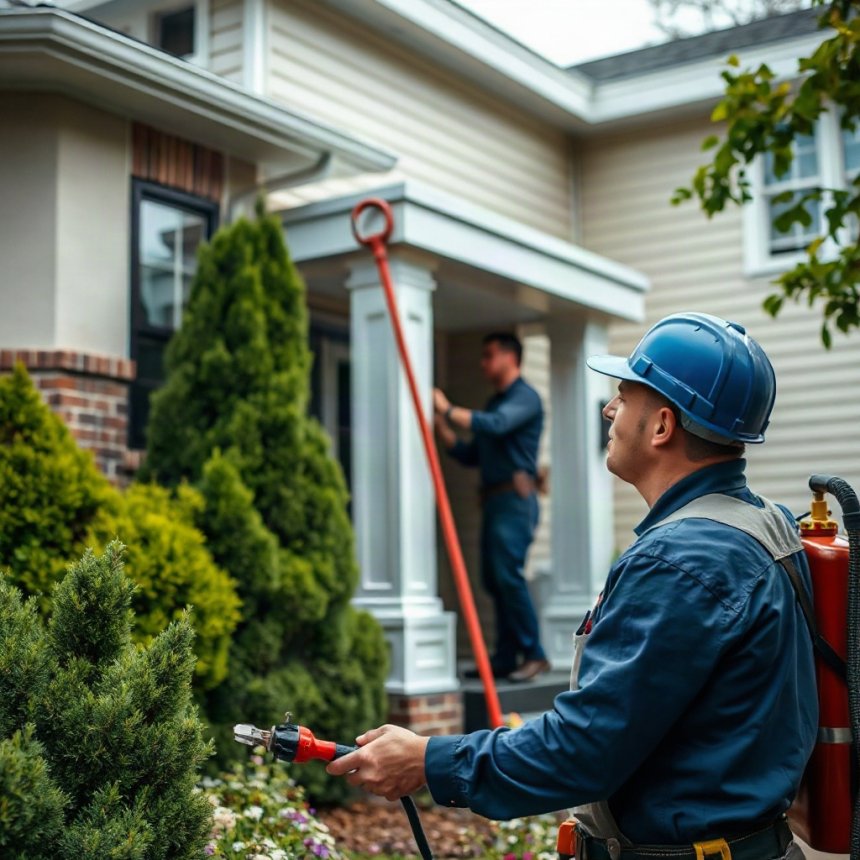
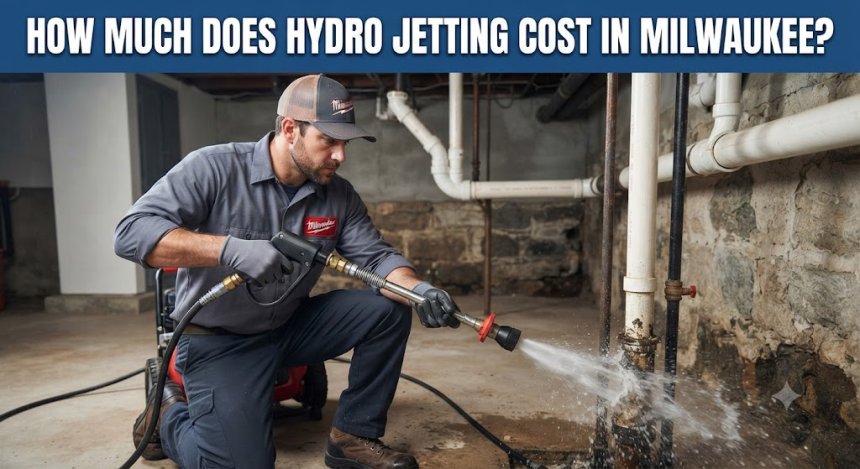
Hydro jetting is a state-of-the-art plumbing process that uses specialized high-pressure water streams—ranging from 1,500 to 4,000 PSI or higher—to scour the interior walls of residential and commercial sewer and drain lines. Unlike a traditional motorized snake or auger that merely punches a small hole through a blockage, a professional hydro jetter completely flushes away grease, mineral scale, sludge, and intrusive tree roots from the entire inner circumference of the pipe.
Common Situations and Symptoms
-
Recurring Drain Clogs: Sinks or toilets that clog repeatedly within weeks of being cleared indicate sticky buildup or grease lining the pipe walls.
-
Multi-Fixture Backups: When flushing a toilet causes water or waste to bubble up into your basement floor drain or shower stall, your main sewer lateral is obstructed.
-
Unpleasant Sulfuric Odors: Trapped organic waste and decomposing sludge produce foul smells that drift up through dry floor drains or venting stacks.
Why Does This Plumbing Problem Happen?
Sewer and drain lines face constant abuse from daily use, structural aging, and environmental factors unique to southeastern Wisconsin's geography and climate.
1. Tree Root Intrusion
Established neighborhoods across Milwaukee County feature mature oak, maple, and willow trees. Tree roots naturally seek out moisture and nutrients, infiltrating tiny micro-cracks or loose joints in older clay and cast-iron sewer laterals, expanding into dense, hair-like mats that trap debris.
2. Aging Infrastructure and Pipe Material
Many residential properties throughout the Milwaukee metro area feature vintage architecture built with decades-old clay tile, Orangeburg, or aging cast-iron pipes. Over time, these materials shift, corrode, or develop bellied sections (low sagging spots) where solid waste accumulates.
3. Wisconsin’s Extreme Freeze-Thaw Cycles
Sub-zero winter temperatures push frost lines deep into the ground across Wisconsin, shifting earth and putting heavy stress on underground waste lines. If a line possesses an improper initial grade, standing water can freeze and fracture the pipe or create a solid ice dam.
4. Grease, Fats, and "Flushable" Wipes
Pouring cooking fats, oils, and grease (FOG) down kitchen sinks results in congealed blockages. Combined with flushable wipes, paper towels, and hygiene products that fail to disintegrate, these materials create massive blockages known as fatbergs.
Signs You Should Never Ignore
Recognizing early warning signs prevents minor slow drains from escalating into catastrophic structural sewage backups:
-
Deep Gurgling Sounds: If your plumbing system gurgles when washing machines spin or toilets flush, trapped air is struggling to escape past a major restriction.
-
Soggy Patches in the Yard: Unexplained bright green or spongy turf during dry summer weather often signals an underground pipe leak or lateral break.
-
Sudden Basement Flooding During Rains: If heavy spring thaws or severe thunderstorms cause water to back up into your lower level, your main line is severely compromised.
-
Pest Infiltration: Rats and sewer flies are attracted to damaged sewer pipes and can gain entry into your home through unsealed floor drains.
Common Plumbing Problems Related to This Issue
A compromised main sewer line frequently triggers or accompanies other stressful plumbing failures:
-
Branch Drain Failures: Secondary kitchen and bathroom lines cannot discharge waste if the main outlet is blocked.
-
Water Heater and Utility Damage: Basement sewage overflows can submerge burner assemblies and electrical controls on conventional water heaters.
-
Subfloor and Foundation Deterioration: Standing wastewater ruins baseboards, warps flooring, and encourages rapid mold growth.
Step-by-Step Professional Repair Process
When you hire tims plumbing hvac for high-pressure hydro jetting or sewer clearing, our licensed technicians follow a meticulous, diagnostic workflow:
Can You Fix It Yourself?
Homeowners often ask if they can rent a pressure washer or buy chemical drain cleaners to handle stubborn main line clogs.
-
The Dangers of Chemical Cleaners: Retail chemical drain openers rely on harsh acids or lye designed to dissolve organic hair clogs in small sink traps. They do not cut through dense tree roots or solid grease in a 4-inch main sewer line. Unused chemicals sit stagnant in the pipe, creating extreme chemical hazards for any plumber who subsequently opens the line.
-
The Limitations of DIY Equipment: Consumer rental augers lack the length and torque required to navigate 100-foot main lines. Standard pressure washers cannot generate the specialized rotational GPM (gallons per minute) and PSI combination required for professional sewer scrubbing and root cutting.
When professional help is necessary: Any time multiple fixtures back up simultaneously, foul odors persist, or sewage pools in your basement, turn off affected water sources and contact a licensed professional immediately.
Tools Professionals Use
Professional plumbing contractors utilize advanced technology to diagnose and resolve sewer complications accurately:
-
Sewer Inspection Cameras: Push-rod cameras equipped with sonde transmitters allow technicians to pinpoint the exact underground depth and location of a blockage or break from above ground.
-
Commercial Hydro Jetters: High-powered trailer-mounted or portable units delivering specialized water pressure and flow rates to scour grease, scale, and roots completely.
-
Mechanical Root Cutters: Heavy-duty motorized augers equipped with hardened steel blades designed to slice through thick tree root masses before hydro jetting polishes the interior.
-
Trenchless Rehabilitation Gear: Pipe lining and bursting tools that repair damaged underground pipes without destroying your lawn or driveway.
How Long Does the Repair Usually Take?
Repair timelines vary depending on project complexity:
-
Standard Hydro Jetting Service: 1.5 to 3 hours. Thoroughly scouring a residential main line typically takes a couple of hours from setup to final camera check.
-
Severe Root Infiltration / Heavy Scale: 3 to 5 hours. Extremely neglected lines require multiple passes with specialized root-cutting nozzles.
-
Major Repairs or Spot Excavation: 1 to 3 days. If camera inspection reveals a collapsed pipe section, physical excavation and replacement are necessary.
Cost Factors: What Determines the Price?
Because every plumbing system and property layout is unique, flat-rate pricing for sewer jetting can vary. Understanding local cost factors helps you budget accurately:
-
Severity and Nature of the Blockage: Clearing soft sludge takes less time than cutting through decades of calcified scale and heavy tree root mats.
-
Pipe Accessibility & Cleanout Availability: Homes with an accessible two-way outdoor cleanout make setup fast. If a cleanout must be cut into an interior stack, labor time increases.
-
Length and Diameter of the Line: Longer lateral runs from the house to the municipal street connection require more time and water volume.
-
Additional Services: Pre-inspection camera work, root removal treatments, or minor spot repairs influence total project costs.
-
Emergency Dispatch Timing: After-hours, weekend, or holiday emergency calls involve urgent crew mobilization adjustments.
Note: Professional hydro jetting services typically range from $350 to $600 for standard residential cleaning, while comprehensive sewer maintenance or complex emergency clearing across Milwaukee can vary based on severity, property type, and local labor rates.
Hidden Truths Homeowners Should Know
-
Small Slow Drains Become Expensive Emergencies: Ignoring a sluggish shower drain today guarantees a messy sewage backup during your next family gathering.
-
Cheap Temporary Fixes Fail: Pouring enzymatic bottles down a root-damaged line provides a temporary band-aid, not a permanent solution.
-
Insurance Gaps: Standard homeowner insurance policies rarely cover damage caused by neglected pipe maintenance or gradual wear and tear.
-
Hard Water Accelerates Clogs: Mineral buildup narrows pipe interiors over time, making lines more vulnerable to snagging grease and debris.
-
Annual Prevention Saves Thousands: Investing in routine preventative hydro jetting prevents emergency plumbing bills that can easily reach several thousand dollars.
15 Common Mistakes Homeowners Make
-
Flushing "Flushable" Wipes: Even wipes labeled septic-safe frequently snag on pipe imperfections and build massive blockages.
-
Pouring Grease Down Kitchen Drains: Liquid grease cools, solidifies, and coats sewer walls.
-
Using Chemical Cleaners on Root Infiltrations: Acids cannot dissolve living roots and risk splashing back.
-
Ignoring Slow Drains: Waiting until a complete backup occurs makes cleanup and repair much harder.
-
Hiring Unlicensed Handymen: Working with uninsured operators can lead to improper repairs, property damage, and code violations.
-
Skipping Regular Camera Inspections: Failing to check aging lines leaves you vulnerable to sudden collapses.
-
Planting Large Trees Near Sewer Lines: Willows, maples, and oaks planted near lateral paths will eventually infiltrate pipes.
-
Over-Tightening Plumbing Fittings: Can crack PVC hubs or strip threads.
-
Using the Wrong Pipe Materials: Mixing incompatible transition couplings leads to premature joint failure.
-
Neglecting Backflow Preventers: Failing to install a backwater valve in flood-prone basements.
-
Disposing of Coffee Grounds and Eggshells: These accumulate in bends and traps.
-
Forgetting Where the Cleanout Is: Wasting critical time searching for access points during an active backup.
-
Ignoring Gurgling Sounds: Dismissing acoustic warning signs until fixtures overflow.
-
Delaying Repairs Due to Cost: Allowing minor cracks to worsen into complete structural collapses.
-
Failing to Verify Local Permits: Skipping required municipal plumbing permits for major lateral replacements.
Maintenance Tips
-
Schedule Bi-Annual Camera Checks: If you live in an older Milwaukee neighborhood with large boulevard trees, have your sewer line inspected every 1 to 2 years.
-
Watch What You Throw Away: Never dispose of cooking oils, coffee grounds, paint, or hygiene products down household drains.
-
Install Root Inhibitors Professionally: Ask our team about eco-friendly root inhibitor treatments that discourage root growth without harming your landscaping.
-
Winterize Outdoor Access: Ensure exterior cleanout caps are tightly sealed and insulated before freezing temperatures arrive.
When Should You Call an Emergency Plumber?
Call an emergency plumbing team immediately if you experience:
-
Active Sewage Overflow: Wastewater rising continuously into living spaces or finished basements.
-
Total Loss of Drainage: Multiple toilets and showers backing up simultaneously with zero drainage.
-
Foul Gas Odors Combined with Plumbing Failure: Indicating a major breach in the primary venting or waste system.
-
Major Structural Pipe Collapses: Sudden ground sinkage or total pipe failure.
Frequently Asked Questions
Why is my water pressure suddenly low?
Sudden pressure drops usually stem from a clogged aerator, a partially closed main shut-off valve, or a hidden supply line leak rather than a sewer issue.
How much does leak detection cost?
Advanced electronic leak detection costs vary based on property layout and accessibility, but it saves money by pinpointing hidden problems without destructive exploratory digging.
Can a clogged drain damage pipes?
Yes. Excessive pressure from trapped water and corrosive stagnant waste can weaken pipe joints and crack older materials.
Is hydro jetting safe for old pipes?
A professional video inspection is mandatory before hydro jetting. If pipes are structurally sound, it is extremely effective; if pipes are severely collapsed, traditional repair is required first.
How do I know if my sewer line is broken?
Frequent backups, soggy yard patches, persistent foul odors, and simultaneous fixture gurgling are definitive indicators of a broken or severely compromised sewer line.
How long do water heaters last?
Standard tank-style water heaters last between 8 to 12 years, while tankless models can last 15 to 20 years with proper annual flushing.
Why does my faucet drip?
Dripping faucets are typically caused by worn-out rubber washers, O-rings, or corroded valve seats inside the cartridge.
What causes pipes to burst?
Pipes burst most frequently when trapped water freezes and expands during severe winter sub-zero temperatures, or due to severe structural ground shifts.
Can plumbing leaks increase my water bill?
Even a small hidden leak or a continuously running toilet flapper can waste thousands of gallons of water, dramatically driving up monthly utility bills.
When should I replace plumbing instead of repairing it?
If your pipes experience frequent recurring leaks, extensive corrosion, or are made of obsolete materials like galvanized steel or degraded orangeburg, full replacement is more cost-effective.
Why Choose Our Plumbing Company
At tims plumbing hvac, we take pride in serving homeowners and businesses throughout Oak Creek, Milwaukee, and the surrounding southeastern Wisconsin communities.
-
Experienced Licensed Plumbers: Rigorously trained professionals equipped to handle complex residential and commercial plumbing challenges.
-
Honest Recommendations: We diagnose the root cause and provide straightforward, practical solutions without pushing unnecessary upsells.
-
Upfront Estimates: Clear pricing before any work begins so you stay in complete control.
-
Fast Response & Emergency Availability: Ready to help when unexpected plumbing failures strike your home.
-
Modern Equipment: Utilizing state-of-the-art diagnostic cameras, hydro-jetters, and precision repair tools.
-
Local Expertise: Deep familiarity with Milwaukee’s unique housing stock, seasonal weather demands, and municipal plumbing codes.