Milwaukee Plumber Hourly Rates & Service Costs Guide
Discover what plumbers charge per hour in Milwaukee, WI. Learn labor rates, hidden fees, repair vs replacement costs, and local tips from tims plumbing hvac.

Milwaukee Plumber Hourly Rates & Service Costs Guide
Facing a sudden plumbing emergency or planning a home renovation in the Greater Milwaukee area often brings one burning question to mind: How much is this going to cost? Whether you are dealing with a backing-up sewer line in a historic bungalow on Milwaukee’s East Side, a dripping water heater in a suburban home in Oak Creek, or low water pressure in Greenfield, understanding plumbing labor costs helps you budget effectively and avoid sticker shock.plumber hourly rate Milwaukee WI
Homeowners throughout Milwaukee County search for plumbing rates because unexpected leaks, clogged drains, and failing fixtures demand immediate attention. Knowing what influences a plumber’s hourly rate, what standard service fees look like, and how to spot honest pricing protects your home and your wallet. This guide dives deep into local Milwaukee plumbing pricing structures, common project costs, and what you need to know before calling a professional.
What Is Plumbing Pricing and Hourly Costing?
Plumbing pricing refers to the way licensed plumbing contractors calculate the total price of diagnostic work, repairs, installations, and emergency callouts.
Common Pricing Structures
-
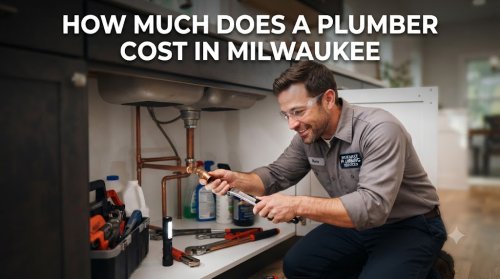
Hourly Rates: Typically charged for diagnostic work, troubleshooting complex or hidden issues, and custom installations where the exact timeframe is unpredictable. In the Milwaukee, WI market, standard residential plumbing hourly rates generally range from $70 to $150+ per hour depending on the plumber's experience, licensing tier (apprentice, journeyman, or master plumber), and whether the work is residential or commercial.
-
Flat-Rate / Upfront Pricing: Many modern plumbing companies use flat-rate pricing for standard, well-defined tasks like clearing a straightforward drain clog, replacing a standard toilet, or installing a garbage disposal. This means you approve a set price before work begins, protecting you if the job takes longer than expected.
When homeowners experience symptoms like foul sewer odors, rising water bills, or damp drywall, they want transparent answers about whether they are paying for time, materials, or specialized diagnostic equipment.
Why Do Plumbing Costs and Hourly Rates Vary?
Not all plumbing jobs are priced equally. Several underlying physical, logistical, and economic factors influence what a plumber charges per hour or per project in Milwaukee and surrounding communities like Franklin, West Allis, and Cudahy.
1. Aging Infrastructure and Pipe Materials
Milwaukee features a rich mix of architectural styles, from 1920s Craftsmans and Victorians to mid-century ranches and modern builds. Older homes often contain aging galvanized steel or cast-iron pipes susceptible to interior scaling, heavy corrosion, and root intrusion. Working on fragile, corroded legacy pipes requires extra care and specialized techniques, which increases labor time.
2. Hard Water Scale Buildup
Southeast Wisconsin is notorious for notoriously hard water packed with calcium and magnesium minerals. Over years, hard water bakes inside water heaters, valves, and supply lines, seizing up fittings and shortening fixture lifespans. Plumbers often spend extra time cutting through calcified, stuck connections rather than easily unthreading them.
3. Seasonal Weather Extremes (Frozen Pipes)
Wisconsin winters bring sub-zero temperatures that put immense stress on plumbing systems. Frozen and burst pipes during January and February trigger a massive surge in emergency plumbing calls. During peak freeze events, emergency labor rates and after-hours demand naturally shift pricing dynamics.
4. Accessibility and Work Area Constraints
A leaking valve sitting out in the open basement utility room is fast to service. Conversely, a pinhole leak buried behind a finished basement wall, underneath a concrete slab, or inside a cramped crawlspace requires drywall cutting, specialized locating gear, and awkward positioning—all of which add labor hours to the invoice.
Signs You Should Never Ignore
Waiting to address a minor plumbing quirk often transforms a quick hourly service call into a multi-thousand-dollar disaster. Watch out for these critical warning signs:
-
Unexplained Water Stains on Ceilings or Walls: Indicates a slow, hidden supply or drain leak rotting your framing.
-
Slow Draining Sinks and Tubs: Points to localized hair and soap buildup or a deeper main sewer line restriction.
-
Sudden Drops in Water Pressure: Often signals mineral clogs in aerators, hidden leaks, or a failing pressure-reducing valve (PRV).
-
Unusually High Water Bills: A silent toilet flapper or hidden slab leak can waste hundreds of gallons a day without your knowledge.
-
Damp Earth or Lush Patches in the Yard: Frequently a sign of a compromised underground sewer or water service line.
-
Gurgling Toilets or Drains: Happens when trapped air escapes through plumbing traps, usually indicating a blocked vent stack or main sewer clog.
-
Musty Odors and Mold Growth: Mold colonies thrive within 24 to 48 hours of constant moisture exposure, risking indoor air quality.
Common Plumbing Problems Related to This Issue
When evaluating plumbing costs, it helps to understand what specific repairs you might be paying for:
-
Pipe Leaks: Pinpoint repairs or repiping deteriorated sections of copper or PEX.
-
Drain Clogs: Main sewer snaking, hydro jetting, and clearing stubborn branch lines.
-
Water Heater Failures: Tank flushing, anode rod replacement, or full tank/tankless water heater replacements.
-
Sump Pump Burnouts: Essential for protecting Milwaukee basements during heavy spring thaws and torrential downpours.
-
Running or Leaking Toilets: Replacing worn-out flappers, fill valves, or wax rings.
Step-by-Step Professional Repair Process
When you hire a licensed plumbing professional from tims plumbing hvac, you can expect a structured, transparent process designed to protect your property and solve the root cause.
    The plumber arrives at your home, listens to your concerns, and conducts a targeted visual inspection of the affected fixtures, shut-off valves, and surrounding areas.


    Using diagnostic tools like electronic leak detectors or high-definition drain cameras, the plumber identifies the exact source and extent of the problem rather than guessing.


    Before any wrench turns, you receive a clear, itemized estimate outlining labor, parts, and any necessary permitting or disposal fees.


    The licensed plumber performs the necessary repair or installation using professional-grade materials, protecting surrounding finishes with drop cloths and shoe covers.


    The repaired system undergoes rigorous pressure tests, flow checks, and leak inspections to ensure flawless operation.


    Work areas are thoroughly cleaned, old parts and packaging are hauled away, and your space is restored to its original condition.


    The plumber walks you through what was done, shares preventative tips tailored to your home's setup, and details applicable workmanship warranties.
Can You Fix It Yourself?
Many homeowners wonder if they can tackle plumbing repairs to bypass hourly labor charges. While changing a showerhead or plunging a standard toilet is safe for DIY, many tasks cross the line into hazardous territory.
-
Safe DIY Tasks: Plunging a basic toilet, clearing a superficial sink trap (P-trap) with a bucket underneath, replacing a worn sink aerator, or turning off the main water shut-off valve during an active leak.
-
When DIY Becomes Dangerous: Attempting to solder pressurized copper water lines without proper fire safety gear, modifying gas supply lines for water heaters or stoves, tightening old threaded fittings until they snap off inside walls, or using harsh chemical drain openers that corrode cast-iron pipes and burn skin.
-
When Professional Plumbing is Necessary: Any job involving main sewer lines, gas connections, water heater replacements, structural wall openings, or complex code-compliance issues requires a licensed professional.
Tools Professionals Use
Professional plumbers invest heavily in specialized equipment that saves time, minimizes destructive exploratory cutting, and ensures long-lasting repairs:
-
Drain Inspection Cameras: Waterproof fiber-optic cameras pushed down pipes to visually inspect root intrusion, cracks, and bellied sewer lines.
-
Electronic Leak Detectors: Acoustic listening devices and thermal imaging cameras that pinpoint hidden water leaks behind concrete or tile.
-
Hydro Jetting Equipment: High-pressure water streams (up to 4,000 PSI) that scour grease, scale, and roots completely out of sewer lines.
-
Pipe Locators: Radio transmitters paired with surface detectors to map the exact depth and path of underground pipes without unnecessary digging.
-
PEX Expansion Tools and Press Systems: Modern joining technology that creates secure, flame-free water line connections faster than traditional soldering.
How Long Does the Repair Usually Take?
Repair timelines vary widely based on complexity:
-
Simple Repairs (30 Minutes to 2 Hours): Replacing a kitchen faucet, installing a new toilet fill valve, or clearing a localized sink trap clog.
-
Moderate Repairs (2 to 4 Hours): Replacing a garbage disposal, repairing a section of accessible supply pipe, or swapping out a sump pump.
-
Major Repairs (4 Hours to Multiple Days): Full water heater replacement, trenchless sewer line repair, or whole-house repiping.
-
Emergency Repairs: Variable response and stabilization time depending on water shut-off accessibility and severity of flooding.
Cost Factors: What Drives Plumbing Prices?
Understanding that plumbing repair costs fluctuate based on specific job parameters helps clarify why quotes vary:
-
Diagnostic & Service Call Fees: Covering travel time and initial expert troubleshooting.
-
Labor Rates: Hourly vs. flat-rate pricing models reflecting technician expertise and licensing.
-
Parts and Materials Quality: Heavy-duty brass fittings, code-compliant PEX-a piping, or specialized commercial-grade valves cost more upfront than cheap big-box store alternatives but last decades longer.
-
Emergency / After-Hours Surcharges: Night, weekend, or holiday dispatching requires premium staffing.
-
Accessibility: Crawling through low clearance spaces or opening finished drywall adds labor time.
-
Repair vs. Replacement: Sometimes a temporary patch costs less today, but total replacement prevents recurrent failures down the road.
Hidden Truths Homeowners Should Know
-
Small Leaks Compound Rapidly: A drip leaking just 60 drops per minute wastes over 300 gallons a year and rots wood framing.
-
Chemical Drain Cleaners Cause Destruction: Caustic store-bought liquids eat away at older pipe walls and destroy rubber seals.
-
Insurance Gaps on Neglected Maintenance: Homeowners insurance policies typically cover sudden, accidental water damage (like a burst pipe) but deny claims resulting from long-term, neglected slow leaks.
-
Tree Roots Return: Snaking a root-infested sewer line provides temporary relief, but mechanical cutting stimulates faster root regrowth unless hydro-jetted or lined.
-
Hard Water Destroys Appliances: Unfiltered hard water cuts water heater lifespans nearly in half through severe scale accumulation.
-
DIY Mistakes Multiply Expenses: A cross-threaded fitting or unsealed gas connection can turn a $150 repair into an emergency insurance claim.
-
Early Detection Saves Thousands: Investing in annual plumbing tune-ups catches minor drips before structural framing or flooring is compromised.
15 Common Mistakes Homeowners Make
-
Ignoring Minor Drips: Waiting until a puddle forms turns a washer replacement into a major framing repair.
-
Pouring Grease Down Kitchen Drains: Congealed grease hardens inside pipes, trapping food debris and creating rock-solid clogs.
-
Flushing "Flushable" Wipes: Wipes do not disintegrate like toilet paper, causing severe municipal and household main sewer blockages.
-
Over-Tightening Threaded Plumbing Fittings: Cracking porcelain toilet tanks or brass compression nuts by using excessive wrench force.
-
Failing to Locate the Main Water Shut-Off: Panicking during a burst pipe because nobody knows where the main valve is located.
-
Using Chemical Cleaners on Complete Blockages: Trapping dangerous acids in pipes that splash back during plumbing snaking.
-
Hiring Unlicensed Handymen for Complex Code Work: Risking failed home inspections, property damage, and lack of liability protection.
-
Skipping Water Heater Maintenance: Failing to flush sediment tanks annually, leading to rumbling noises and premature tank failure.
-
Neglecting Sump Pump Testing: Waiting for a torrential rainstorm to discover the pump failed over the winter.
-
Overlooking Outdoor Hose Bib Protection: Leaving garden hoses attached during freezing weather, causing indoor pipe freeze-ups.
-
Using Mismatched Metal Pipes: Joining galvanized steel and copper directly without a dielectric union, accelerating galvanic corrosion.
-
Forcing Garbage Disposals Beyond Capacity: Feeding corn husks, bones, or coffee grounds into disposals not rated for fibrous waste.
-
Ignoring Slower Draining Fixtures: Allowing minor soap scum buildup to escalate into a total household drainage backup.
-
Putting Off Professional Inspections When Buying Older Homes: Skipping sewer scope checks during home purchases, inheriting cracked clay sewer lines.
-
Delaying Calls During Emergencies: Trying to sleep through active ceiling leaks while water saturates insulation and ceiling drywall.
Maintenance Tips for Milwaukee Homeowners
Protecting your plumbing system requires proactive seasonal habits:
-
Spring: Test your sump pump by dumping a 5-gallon bucket of water into the basin to verify float switch activation. Check outdoor hose bibs for winter cracking.
-
Summer: Inspect under-sink supply lines for bulging, corrosion, or dampness. Clean out AC condensation condensate lines to prevent overflow backups.
-
Autumn: Disconnect and store garden hoses, shut off interior isolation valves to exterior spigots, and drain exterior lines before the first hard freeze.
-
Winter: Keep garage doors closed if water supply lines run through garage ceilings. Let interior faucets drip slightly on bitterly cold nights to maintain water movement.
-
Year-Round: Flush your water heater tank annually, use mesh hair catchers in all tubs and showers, and never pour cooking oils or harsh chemicals down drains.
When Should You Call an Emergency Plumber?
Certain situations require dropping everything and calling a licensed emergency plumber immediately:
-
Burst Supply Pipes: Gushing water flooding finished basements or drywall.
-
Severe Sewage Backups: Raw sewage bubbling up through floor drains or basement toilets.
-
Total Loss of Water: Sudden, unexplained water supply failure affecting your entire property.
-
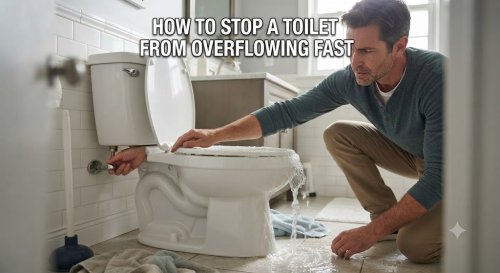
Overflowing Toilets That Won't Stop: Rising water threatening bathroom flooring and subfloors.
-
Major Water Heater Leaks: Tanks actively rupturing and flooding utility rooms.
-
Gas Line Odors: Smelling sulfur or rotten eggs near gas-fired water heaters or appliances (evacuate immediately and call your utility provider or emergency services).
Frequently Asked Questions
Why is my water pressure suddenly low?
Sudden pressure drops usually stem from a clogged main water meter strainer, a failing pressure-reducing valve (PRV), or a hidden water supply leak between the street and your home.
How much does leak detection cost?
Professional electronic leak detection typically ranges from $250 to $450 depending on whether acoustic equipment, thermal cameras, or pressure testing is required to isolate the hidden leak.
Can a clogged drain damage pipes?
Yes. Severe clogs create excessive internal pressure, weaken pipe joints, and cause corrosive wastewater to sit stagnantly against pipe walls, accelerating pinhole leaks.
Is hydro jetting safe for old pipes?
An experienced professional inspects pipe integrity with a camera first. If cast-iron or clay pipes are heavily deteriorated, lower-pressure snaking may be recommended instead of high-pressure hydro jetting.
How do I know if my sewer line is broken?
Warning signs include multiple fixtures backing up simultaneously, foul sewage odors in the yard, gurgling toilets when running laundry, or a soggy lawn patch during dry weather.
How long do standard water heaters last?
Traditional tank water heaters typically last 8 to 12 years, while tankless water heaters can last 15 to 20 years with regular annual flushing and maintenance.
Why does my faucet drip constantly?
A dripping faucet is usually caused by a worn-out rubber washer, degraded O-rings, or a damaged valve cartridge inside the handle assembly.
What causes pipes to burst in winter?
When water freezes inside uninsulated pipes, it expands with immense force (up to 2,000 PSI), splitting copper, PEX, or PVC pipe walls from the inside out.
Can plumbing leaks increase my water bill?
Absolutely. Even a small silent toilet leak can waste over 100 gallons a day, drastically driving up your quarterly municipal utility bills.
When should I replace plumbing instead of repairing it?
If your home features aging galvanized steel pipes subject to frequent leaks, or if repair costs exceed 50% of a full replacement value, repiping is the smarter long-term investment.
Why Choose Our Plumbing Company
When you partner with tims plumbing hvac serving Oak Creek, Milwaukee, and the surrounding counties, you work with dedicated professionals committed to excellence:
-
Experienced Licensed Plumbers: Rigorous training and state-certified licensing on every service call.
-
Honest, Transparent Recommendations: We diagnose the real root cause and offer practical solutions without high-pressure sales tactics.
-
Upfront Estimates: Clear pricing presented before any work begins so you stay in complete control.
-
Fast Response & Emergency Availability: Prompt dispatching when you need urgent help the most.
-
Quality Workmanship & Modern Equipment: Utilizing state-of-the-art cameras, locators, and professional repair techniques that stand the test of time.
-
Customer Satisfaction Commitment: Friendly, respectful technicians who treat your home with absolute care.