How Much Does a Plumber Cost in Milwaukee
Wondering how much a plumber costs per hour in Milwaukee, WI? Learn hourly rates, flat-rate fees, hidden costs, and factors affecting plumbing prices.


How Much Does a Plumber Cost Per Hour in Milwaukee, WI?
When a pipe springs a leak beneath your kitchen sink, or your basement drain backs up during a heavy southeast Wisconsin downpour, the first thought on your mind is usually not about plumbing theory. It’s practical, immediate, and financial: How much is this going to cost me?
For homeowners and business owners across Milwaukee, Waukesha, Racine, and Oak Creek, understanding how local plumbing pricing works helps eliminate the stress of hiring a professional. Plumbing service costs can sometimes feel shrouded in mystery, leaving property owners worried about unexpected bills.plumber cost per hour Milwaukee,
As a licensed plumbing industry professional with over 15 years of hands-on experience, I want to pull back the curtain. This comprehensive guide breaks down what plumbers charge per hour in the Milwaukee area, what factors drive those numbers up or down, and how you can protect your home while getting the best value for your investment.
Introduction: Why Plumbing Costs Vary in Greater Milwaukee
When people search for plumbing rates, they are usually looking for a single, straightforward number. However, hiring a licensed plumber isn't like buying a standard retail item. Pricing involves specialized labor, insurance, commercial vehicle upkeep, advanced diagnostic technology, and the physical safety risks associated with working inside pressurized water and sewer lines.
In the Greater Milwaukee area—spanning Milwaukee County, southern Waukesha County, and northern Racine County—residential plumbing service costs typically range from $75 to $150+ per hour for standard labor, while specialized master plumbing or emergency services can run $150 to $250+ per hour.
Understanding why these rates exist, how companies structure estimates, and what hidden factors influence your final invoice will help you budget effectively and avoid fly-by-night operators who offer "too good to be true" cheap quotes that end up costing thousands more down the line.
What Is Professional Plumbing Labor Pricing?
To evaluate a plumbing quote fairly, it helps to understand how professional plumbing companies structure their pricing models. Not all plumbing work is billed strictly by the hour; in fact, many modern contractors utilize flat-rate pricing for standard, repeatable tasks.
Understanding the Pricing Models
-
Hourly Rates: Typically applied to diagnostic troubleshooting, complex custom remodeling, or open-ended investigations where the exact scope of work cannot be determined until walls or fixtures are opened up.
-
Flat-Rate Pricing: Frequently used for standard replacements and repairs—such as installing a new garbage disposal, replacing a standard water heater, or clearing a routine branch drain clog. Flat-rate pricing gives homeowners peace of mind because you know the exact total cost before any wrench is turned, regardless of how long the job takes.
-
Service Call / Diagnostic Fees: Most professional contractors in Milwaukee charge a dispatch or diagnostic fee (ranging from $75 to $150) to send a fully stocked service vehicle and a licensed technician to your home. This fee covers travel time, fuel, and the initial troubleshooting required to diagnose the root cause of your plumbing failure.
Why Does Plumbing Work Cost What It Does?
Homeowners sometimes experience sticker shock when they see a professional plumber’s invoice. To understand why professional rates reflect true value, look past the hourly wage paid to the technician and examine the total overhead required to run a legitimate, licensed plumbing operation in Wisconsin:
-
Rigorous Licensing and Continuing Education: Wisconsin has strict plumbing codes overseen by the Department of Safety and Professional Services (DSPS). Becoming a licensed journeyman or master plumber requires thousands of hours of documented apprenticeship, rigorous state testing, and annual continuing education.
-
Insurance and Bonding: A legitimate plumbing company carries heavy liability insurance and worker’s compensation coverage. If an uninsured handyman makes a mistake that floods your finished basement or collapses a main sewer line, you are legally and financially responsible. Hiring licensed professionals protects your greatest asset: your home.
-
Specialized Tools and Equipment: Modern plumbing is a high-tech trade. Plumbers invest heavily in digital sewer cameras, electronic pipe locators, hydro-jetting units, and commercial press tools that cost tens of thousands of dollars.
-
Vehicle and Inventory Overhead: Fully stocked service vans act as mobile warehouses, carrying hundreds of specialized fittings, valves, pipes, and safety gear to ensure jobs can be completed on the first visit.
Signs You Should Never Ignore
Putting off a plumbing repair to save a few dollars almost always backfires. Recognizing early warning signs can mean the difference between a simple $150 fix and a catastrophic $10,000 structural disaster.
-
Water Stains on Ceilings or Walls: A brown, expanding ring on drywall indicates an active, hidden pipe leak behind the wall or ceiling cavity.
-
Slow Drains Across Multiple Fixtures: If your kitchen sink, bathtub, and toilet are all draining sluggishly at the same time, the issue isn't a simple localized hair clog—it points toward a compromised main sewer line.
-
Unexplained Spikes in Your Water Bill: If your household water usage habits haven't changed, but your municipal water bill jumps by 30%, you likely have an underground service line leak or a silent running toilet flapper.
-
Musty Odors and Damp Flooring: Persistent dampness or earthy smells near floor plates or basements often signal a slab leak or slow sewage seepage.
-
Banging Pipes (Water Hammer): Loud thudding noises when valves shut off quickly can loosen pipe joints over time, leading to sudden fitting failures.
Common Plumbing Problems Related to This Issue
When evaluating plumbing service costs, it helps to know what specific repairs homeowners in Milwaukee frequently face:
-
Burst or Frozen Pipes: Wisconsin winters are brutal on residential plumbing. Uninsulated pipes in exterior walls or crawlspaces frequently freeze and rupture during sub-zero polar vortex events.
-
Sewer Line Backups: Tree roots seeking moisture in aging clay or cast-iron sewer laterals frequently infiltrate pipe joints, catching grease and paper waste.
-
Water Heater Failures: Traditional tank water heaters have an average lifespan of 8 to 12 years. When internal glass-lined tanks rust through, emergency replacement is unavoidable.
-
Slab Leaks: Copper supply lines running beneath concrete basement slabs can corrode due to soil conditions or chemical imbalances in local municipal water supplies.
Step-by-Step Professional Repair Process
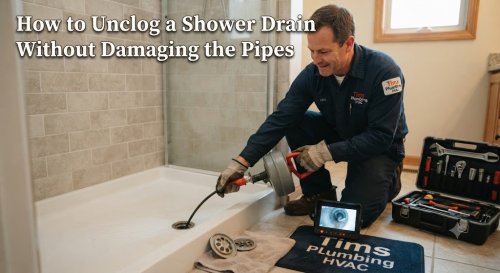
When you hire a reputable local team like Tim's Plumbing HVAC, you can expect a transparent, orderly process designed to respect your property and solve the problem permanently:
-
Initial Dispatch & Arrival: A licensed technician arrives in a marked, fully equipped vehicle, prepared with protective boot covers and drop cloths to keep your home clean.
-
Comprehensive Diagnosis: Using acoustic listening devices, moisture meters, or high-definition drain cameras, the plumber isolates the exact source of the failure rather than guessing.
-
Upfront Options & Estimate: Before any physical work begins, the plumber explains the problem in plain English, presents clear repair or replacement options, and provides a transparent written estimate.
-
Professional Execution: The plumber shuts off necessary water supplies, executes the repair using commercial-grade materials compliant with Wisconsin plumbing codes, and ensures structural integrity.
-
Rigorous Pressure & Flow Testing: The system is pressurized and tested for leaks to ensure optimal performance.
-
Jobsite Cleanup: The work area is thoroughly cleaned, and old debris, cut pipes, or replaced fixtures are hauled away.
-
Maintenance Advice & Warranty Review: The technician provides practical tips to prevent future issues and reviews applicable service warranties.
Can You Fix It Yourself?
With countless DIY video tutorials available online, many homeowners wonder if they should tackle plumbing repairs themselves.
Safe DIY Tasks
-
Plunging a simple, single-fixture toilet clog using a flange plunger.
-
Clearing a bathroom sink pop-up stopper hair clog.
-
Replacing a worn toilet flapper or fill valve.
-
Changing a showerhead or aerator.
When DIY Becomes Dangerous
-
Working on Gas Lines: Any repair involving gas water heaters or gas supply piping requires professional licensing to prevent catastrophic carbon monoxide leaks or explosion risks.
-
Main Water Shutoff Valve Replacements: Breaking an old, brittle main shut-off valve can unleash full municipal water pressure directly into your living space within seconds.
-
Sewage and Drain Line Replacements: Exposure to raw sewage poses serious biological health hazards. Furthermore, improper sloping of drain lines can lead to chronic, permanent back-ups.
Tools Professionals Use
Professional plumbers rely on advanced technology that saves time and protects your home from unnecessary property destruction:
-
Drain Inspection Cameras: Waterproof fiber-optic cameras pushed down sewer lines to visually locate cracks, root intrusions, and collapsed sections.
-
Electronic Pipe Locators: Surface sensors that track the exact depth and path of underground pipes, eliminating guesswork and unneeded trench digging.
-
Hydro-Jetting Equipment: High-pressure water streams (up to 4,000 PSI) that scour grease, scale, and heavy root masses entirely out of sewer pipes.
-
Pex Expansion and Copper Press Tools: Modern flameless joining tools that create secure, permanent pipe connections in a fraction of the time required by traditional soldering.
How Long Does the Repair Usually Take?
Repair timelines depend entirely on the complexity and accessibility of the plumbing infrastructure:
-
Simple Repairs (30 to 90 minutes): Replacing a kitchen faucet, fixing a running toilet, or clearing a localized sink trap.
-
Moderate Repairs (2 to 4 hours): Replacing a garbage disposal, repairing a section of accessible supply piping, or clearing a stubborn branch drain line.
-
Major Repairs (4 to 8+ hours): Whole-home repiping, replacing a main sewer lateral, or installing a tankless water heater conversion system.
-
Emergency Repairs: Variable response and stabilization times depending on water shutoff severity.
Cost Factors: What Influences Your Final Bill?
Understanding the variables that influence plumbing pricing helps you anticipate project expenses:
-
Accessibility: A leaking pipe exposed in an open basement ceiling is quick to repair. That same leak buried beneath concrete slab flooring or tucked inside a finished tiled shower wall requires specialized demolition and restoration work.
-
Materials Required: Copper, PEX-a, cast iron, and specialized brass fittings vary significantly in raw material costs.
-
Urgency and Time of Service: Standard weekday service calls cost significantly less than middle-of-the-night emergency dispatches called in during freezing holiday weekends.
-
Permit and Inspection Fees: Major plumbing overhauls or water heater replacements in municipal areas like Milwaukee or Oak Creek often require local building permits and code compliance inspections.
Hidden Truths Homeowners Should Know
-
Small Leaks Compound Exponentially: A drip rate of one drop per second wastes over 3,000 gallons of water a year and rots subflooring silently.
-
Chemical Drain Cleaners Damage Pipes: Pouring harsh caustic acid liquids down clogged drains eats away at older metal and PVC pipe walls while rarely clearing stubborn root intrusions.
-
Insurance Often Excludes Neglect: Standard homeowner insurance policies cover sudden, accidental water damage (like a burst supply line), but routinely deny claims resulting from long-term, unaddressed slow leaks.
-
Hard Water is a Silent Killer: Southeastern Wisconsin water is notoriously hard, carrying heavy calcium and magnesium mineral content that coats heating elements and shortens appliance lifespans.
15 Common Mistakes Homeowners Make
-
Ignoring minor plumbing drips until they become structural floods.
-
Relying on chemical liquid drain openers that degrade pipe joints.
-
Flushing "flushable" wipes, paper towels, and hygiene products down toilets.
-
Pouring cooking grease and oils down kitchen sink garbage disposals.
-
Failing to locate and test the main water emergency shutoff valve.
-
Hiring unlicensed, uninsured handymen to save money on complex repairs.
-
Skipping annual water heater flushing and anode rod inspections.
-
Over-tightening threaded plumbing connections, which cracks porcelain and PVC fittings.
-
Using mismatched metal pipes (like copper and galvanized steel together), accelerating galvanic corrosion.
-
Neglecting outdoor hose bibs before winter freezing temperatures arrive.
-
Planting large trees with aggressive root systems too close to underground sewer lateral paths.
-
Forcing garbage disposals to grind fibrous vegetables like celery or potato peels.
-
Delaying professional diagnostics when water pressure drops inexplicably.
-
Attempting complex gas appliance installations without safety training.
-
Waiting for total system failure before scheduling routine plumbing checkups.
Practical Maintenance Tips
-
Insulate Vulnerable Pipes: Wrap exposed basement and crawlspace pipes with foam insulation sleeves before winter arrives.
-
Flush Water Heaters Annually: Drain your water heater tank once a year to flush out sediment buildup that reduces heating efficiency.
-
Protect Your Drains: Use mesh strainers in all bathroom and kitchen sinks to catch hair and food debris.
-
Test Shutoff Valves: Turn your main water shutoff valve on and off once a year to ensure it doesn’t seize up in an emergency.
-
Monitor Water Bills: Review monthly utility statements for unexpected upward trends.
When Should You Call an Emergency Plumber?
Certain plumbing failures cannot wait for normal business hours. Call an emergency plumber immediately if you experience:
-
A completely burst supply pipe flooding living areas.
-
Raw sewage backing up into bathtubs or floor drains.
-
Total loss of water pressure accompanied by mysterious flooding.
-
An overflowing toilet that cannot be stopped via the fixture shutoff valve.
Frequently Asked Questions
Why is my water pressure suddenly low?
Sudden pressure drops usually stem from a partially closed main valve, a clogged aerator on a specific faucet, or a hidden supply line leak between your meter and your home.
How much does leak detection cost?
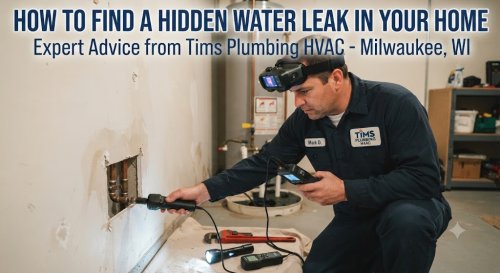
Professional electronic leak detection typically ranges from $150 to $400, depending on whether thermal imaging, acoustic sensors, or tracer gas testing is required.
Can a clogged drain damage pipes?
Yes. Standing pressure and corrosive standing water behind severe clogs can weaken pipe joints and cause structural pipe cracks over time.
Is hydro jetting safe for old pipes?
An experienced professional must inspect pipe integrity via camera first. While safe for sturdy cast iron or modern PVC, fragile, deteriorated Orangeburg or severely rusted galvanized pipes require alternative methods.
How do I know if my sewer line is broken?
Frequent toilet backups, multiple slow drains, foul sewage odors in the yard, and lush, green patches of grass above your sewer line point to a broken lateral.
How long do water heaters last?
Traditional tank water heaters last 8 to 12 years, while tankless units can last 15 to 20 years with proper descaling maintenance.
Why does my faucet drip?
A dripping faucet is typically caused by a worn-out rubber O-ring, washer, or cartridge inside the valve assembly.
What causes pipes to burst?
Freezing water expands inside uninsulated pipes, generating immense hydraulic pressure that splits metal and plastic pipe walls.
Can plumbing leaks increase my water bill?
Absolutely. Even a small pinhole leak running continuously can add hundreds of gallons to your monthly utility consumption.
When should I replace plumbing instead of repairing it?
If your home features aging galvanized steel or polybutylene pipes that experience frequent, recurring leaks throughout the house, a whole-home repipe is more cost-effective than endless spot repairs.
Why Choose Tim's Plumbing HVAC?
When plumbing emergencies strike in Oak Creek, Milwaukee, or surrounding communities, you need a partner you can trust. tims plumbing hvac provides:
-
Licensed, highly trained local plumbing professionals.
-
Honest, straightforward recommendations with zero high-pressure sales.
-
Upfront, transparent estimates before work begins.
-
Prompt response times and reliable emergency availability.
-
Modern diagnostic equipment and quality workmanship guaranteed.