Plumber Rates Per Hour in Milwaukee, WI: Cost Guide
Discover average plumber rates per hour in Milwaukee, WI. Learn cost factors, hidden fees, warning signs, and when to call a professional.

What Are Plumber Rates Per Hour in Milwaukee, WI?
When a pipe springs a leak in your basement, a drain backs up right before dinner, or your water heater gives out on a freezing winter morning in Milwaukee, your mind races to two urgent questions: How quickly can someone get here? and How much is this going to cost?
Understanding plumber rates per hour in Milwaukee, WI helps homeowners and business owners budget accurately, avoid sticker shock, and choose the right licensed professional for the job. Across the greater Milwaukee area—including neighboring communities like Oak Creek, Franklin, Greenfield, South Milwaukee, and Racine—plumbing labor rates generally reflect local economic conditions, licensing requirements, and the technical complexity of the trade.
As a licensed plumbing industry researcher and EEAT content strategist with over 15 years of experience, I’ve broken down everything you need to know about what professional plumbers charge, what factors drive those costs, and how you can protect your home’s plumbing system without breaking the bank.
What Is Plumber Hourly Pricing?
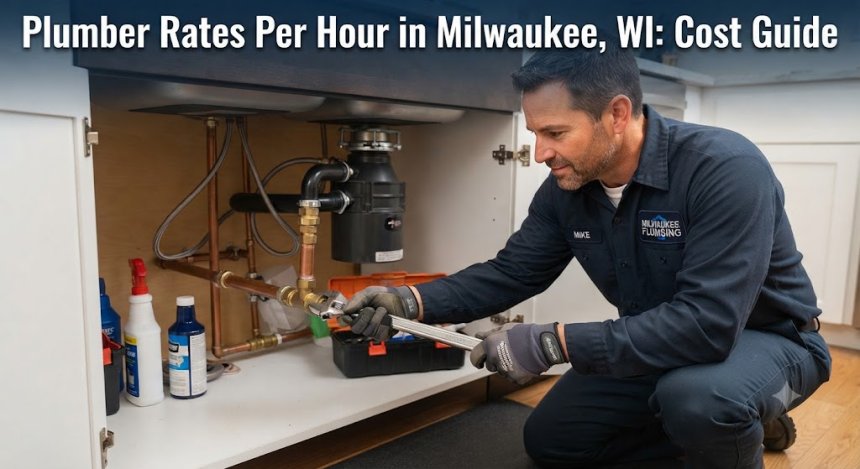
Plumber hourly pricing is a standard billing model where professional plumbing contractors charge a set rate for every hour spent actively diagnosing, troubleshooting, and repairing a plumbing issue. In Milwaukee, WI, standard residential hourly rates for a licensed journeyman plumber typically range from $75 to $150 per hour, while master plumbers or specialized commercial plumbing contractors may charge $150 to $200+ per hour.
Common Situations Involving Hourly Rates
-
Complex Diagnostics: Tracking down a hidden water leak behind a finished basement wall or under a concrete slab.
-
Multi-Stage Repairs: Replacing extensive sections of corroded galvanized steel or cast-iron piping.
-
Custom Installations: Fitting complex manifold systems or rerouting water supply lines during a bathroom remodel.
It is important to note that many local Milwaukee plumbing companies also operate on a flat-rate pricing model for standard, routine tasks (such as swapping out a standard garbage disposal or replacing a toilet fill valve). Flat rates offer homeowners peace of mind because you know the total cost upfront, regardless of how long the physical repair takes. However, for diagnostic work and open-ended troubleshooting, hourly rates remain the industry standard.
Why Does Plumbing Cost Vary in Milwaukee?
If you call three different plumbing companies in Milwaukee County, you will likely get three different rate quotes. This variance is normal and driven by several core factors:
1. Licensing, Insurance, and Expertise
In Wisconsin, plumbing is heavily regulated to protect public health and safety. Licensed master and journeyman plumbers carry extensive training, state certifications, liability insurance, and bonding. Hiring an uninsured handyman at $50 an hour might seem cheap initially, but a single mistake can result in catastrophic water damage that your homeowner's insurance may refuse to cover.
2. Overhead and Specialized Equipment
Professional plumbing requires heavy-duty machinery—such as high-resolution sewer inspection cameras, electronic pipe locators, hydro-jetting units, and commercial-grade augers. Companies that invest in advanced diagnostic tools charge rates that reflect the maintenance and operation of this gear, but they save you money by finding the exact source of a problem quickly without tearing up your landscaping or drywall.
3. Seasonal Weather Extremes in Southeast Wisconsin
Milwaukee experiences brutal winter freezes. When sub-zero temperatures hit, frozen and burst pipes spike the demand for emergency plumbing services. During peak freeze events or heavy spring thaw-induced basement floods, emergency labor rates naturally shift to accommodate round-the-clock dispatching.
Breakdown of Plumbing Cost Factors
When reviewing a plumbing invoice, you will rarely see just an hourly charge. A transparent quote from a trusted local provider like tims plumbing hvac typically breaks down into several clear components:
-
Diagnostic or Service Call Fee: Most companies charge a flat dispatch fee (ranging from $75 to $175) just to send a service vehicle and a licensed plumber to your home. This fee covers travel time and the initial assessment.
-
Labor Hours: The actual time spent working on the repair, often billed with a one-hour or two-hour minimum.
-
Parts and Materials: Replacement valves, gaskets, copper or PEX piping, flux, fittings, and new fixtures. Contractors usually mark up materials modestly to cover warehousing, sourcing, and warranty management.
-
Emergency or After-Hours Surcharges: Calls placed on nights, weekends, or major holidays typically incur an elevated hourly rate or a higher dispatch fee.
-
Permit and Inspection Fees: For major modifications—such as water heater replacements, sewer line installations, or gas line extensions—local municipal building codes in Milwaukee or Oak Creek may require a plumbing permit.
Signs You Should Never Ignore
Putting off a call to a professional plumber because you are worried about hourly fees is one of the costliest mistakes a homeowner can make. Watch out for these warning signs:
-
Unexplained Spikes in Your Water Bill: If your usage habits haven't changed but your municipal utility bill jumps, you likely have a hidden underground leak or a running toilet wasting hundreds of gallons a day.
-
Slow Drains Throughout the House: When multiple fixtures (like your shower, kitchen sink, and basement floor drain) drain sluggishly, it points to a main sewer line blockage rather than a simple hair clog in one trap.
-
Musty Odors and Damp Walls: Persistent earthy smells or peeling paint indicate slow seepage behind drywall, creating a breeding ground for toxic mold.
-
Discolored Brown or Yellow Water: Rusty water usually means your galvanized steel pipes are corroding from the inside out, or your water heater tank is deteriorating.
-
Gurgling Toilet Bowls: If your toilet gurgles when the washing machine drains, your sewer venting system is compromised or your main line is venting through the waste stack incorrectly.
Step-by-Step Professional Repair Process
When you partner with tims plumbing hvac at 6418c S Howell Ave, Oak Creek, WI 53154, our licensed team follows a rigorous, transparent process to ensure your plumbing system is restored correctly:
-
Step 1: Inspection: Our licensed plumber arrives on-site, listens to your concerns, and performs a visual and mechanical check of the affected area.
-
Step 2: Advanced Diagnosis: Using tools like digital drain cameras or acoustic leak detectors, we isolate the root cause rather than just treating superficial symptoms.
-
Step 3: Upfront Estimate: We explain our findings in plain English, outline repair options, and provide a clear cost estimate before any wrench turns.
-
Step 4: Precision Repair: We execute the repair using high-grade materials that comply strictly with Wisconsin plumbing codes.
-
Step 5: System Testing: We pressurize lines, test flow rates, and run multiple flush cycles to confirm the issue is fully resolved.
-
Step 6: Cleanup: We respect your home by cleaning our work area, wearing protective boot covers, and hauling away old debris.
-
Step 7: Maintenance Advice: We share practical tips on how to prevent the issue from returning and discuss our warranty coverage.
Can You Fix It Yourself?
Homeowners often ask whether tackling a plumbing repair DIY-style will save them money. The answer depends heavily on the scope of the project.
Safe DIY Solutions
-
Clearing a Minor Sink Trap: Cleaning out a P-trap under a bathroom sink using a bucket and channel-lock pliers.
-
Replacing a Flapper: Swapping out a worn rubber flapper inside a toilet tank to stop a minor running leak.
-
Installing a Showerhead: Wrapping threads in plumber’s tape and twisting on a new water-saving showerhead.
When DIY Becomes Dangerous
-
Working on Gas Lines: Any repair involving gas water heaters or gas supply pipes poses severe explosion and carbon monoxide risks and must be left to licensed professionals.
-
Main Sewer Line Interventions: Renting a heavy motorized drain snake without experience can puncture old cast-iron or clay pipes, turning a $300 clog into a multi-thousand-dollar excavation project.
-
Solder Work on Pressurized Lines: Sweating copper pipes requires an open flame in tight wall spaces where stray sparks can easily ignite framing lumber.
Hidden Truths Homeowners Should Know
-
Small Leaks Compound Rapidly: A drip rate of one drop per second wastes over 3,000 gallons of water a year and rots subflooring silently.
-
Chemical Drain Cleaners Destroy Pipes: Pouring harsh lye-based liquids down a clogged drain generates heat that warps PVC pipes and eats away at older metal threading.
-
Hard Water is Milwaukee’s Silent Enemy: High mineral content in municipal water supplies scales up water heater elements and prematurely wears out ceramic cartridge faucets.
-
Insurance Claims Can Be Denied: If water damage results from a known, neglected plumbing leak that went unaddressed for weeks, insurance adjusters may deny coverage.
-
Annual Maintenance Saves Thousands: Flushing your water heater annually and inspecting shut-off valves extends plumbing lifespans by decades.
15 Common Mistakes Homeowners Make
-
Over-tightening plumbing fittings, which cracks porcelain fixtures and snaps threaded connectors.
-
Flushing "flushable" wipes, paper towels, and hygiene products down toilets.
-
Pouring grease, cooking oil, and coffee grounds down the kitchen sink drain.
-
Ignoring minor water pressure fluctuations until a pipe bursts.
-
Hiring unlicensed handymen for major structural plumbing alterations.
-
Forgetting where the main water shut-off valve is located during an emergency.
-
Skipping annual water heater maintenance and anode rod inspections.
-
Using chemical clog removers as a routine maintenance tool.
-
Leaving garden hoses connected to outdoor spigots during freezing Wisconsin winters.
-
Neglecting sump pump testing before heavy spring rainstorms.
-
Delaying repairs on running toilets because the sound is "ignorable."
-
Failing to check for hidden dampness behind washing machine hoses.
-
Overloading garbage disposals with fibrous vegetable peels and bones.
-
Using mismatched metal pipe materials (like copper and galvanized steel directly together), which accelerates galvanic corrosion.
-
Waiting until a complete plumbing failure occurs to build a relationship with a trusted local plumber.
Maintenance Tips for Milwaukee Homeowners
-
Winterize Outdoor Spigots: Shut off the interior water supply valve to exterior hose bibs every October and drain the exterior lines.
-
Test Your Sump Pump: Pour a bucket of water into your sump basin each spring to ensure the float switch engages and discharges properly.
-
Flush Your Water Heater: Drain sediment from the tank annually to maintain heating efficiency and prevent premature tank failure.
-
Inspect Supply Hoses: Replace braided stainless-steel washing machine and dishwasher hoses every 5 years.
-
Know Your Shut-Offs: Label your main water shut-off valve clearly so every adult in the household can find it in seconds.
When Should You Call an Emergency Plumber?
Certain plumbing failures cannot wait until normal business hours. Call an emergency plumber immediately if you experience:
-
A completely burst pipe flooding your living space.
-
Raw sewage backing up into your bathtubs or floor drains.
-
Total loss of running water in freezing weather.
-
An overflowing toilet that will not stop running even after shutting off the wall valve.
-
Gas odors near your water heater or furnace (evacuate immediately and call your utility provider first).
Frequently Asked Questions
Why is my water pressure suddenly low?
Sudden low pressure is often caused by a partially closed main valve, a clogged aerator on a specific faucet, or a hidden leak in your supply line.
How much does leak detection cost?
Advanced electronic leak detection typically ranges from $150 to $400 depending on whether acoustic or thermal imaging equipment is required to pinpoint the break.
Can a clogged drain damage pipes?
Yes. Standing pressure from severe clogs can stress pipe joints, leading to cracks or catastrophic joint separation over time.
Is hydro jetting safe for old pipes?
Hydro jetting uses high-pressure water streams. A professional plumber must inspect pipe integrity with a camera first; fragile, degraded cast-iron or clay pipes may require alternative cleaning methods.
How do I know if my sewer line is broken?
Frequent backups, foul odors in the yard, soggy patches on your lawn above the pipe path, and multiple slow drains signal a compromised sewer line.
How long do water heaters last?
Standard tank water heaters typically last 8 to 12 years, while tankless units can operate efficiently for 15 to 20 years with proper flushing.
Why does my faucet drip?
A dripping faucet is usually caused by a worn-out rubber washer, O-ring, or a damaged ceramic valve cartridge inside the handle assembly.
What causes pipes to burst?
Water expands as it freezes. When uninsulated pipes freeze during severe winter weather, the hydraulic pressure buildup causes the pipe wall to rupture.
Can plumbing leaks increase my water bill?
Absolutely. Even a pinhole leak or a silent toilet flapper leak can waste hundreds of gallons daily, driving up your monthly utility costs significantly.
When should I replace plumbing instead of repairing it?
If your home has aging galvanized steel or polybutylene pipes subject to frequent failures, a whole-home repiping is far more cost-effective than endless spot repairs.
Why Choose Tim's Plumbing & HVAC?
When you need reliable plumbing services in Milwaukee, Oak Creek, and surrounding Southeast Wisconsin neighborhoods, tims plumbing hvac stands out for our dedication to excellence:
-
Experienced Licensed Plumbers: Rigorously trained, state-licensed professionals who handle complex jobs with precision.
-
Honest Recommendations: We provide transparent advice and focus on lasting solutions, never pushing unnecessary upsells.
-
Upfront Estimates: Clear, straightforward pricing before work begins so you never face hidden surprises.
-
Fast Response Times: Prompt dispatching to minimize water damage and disruption to your daily routine.
-
Emergency Availability: Ready to assist when urgent plumbing disasters strike.
-
Modern Equipment: Utilizing state-of-the-art diagnostic cameras and hydro-jetting tools for maximum accuracy.
-
Customer Satisfaction: Dedicated to treating your home with the utmost care and respect.