How to Stop a Toilet From Overflowing Fast
Learn how to stop a toilet from overflowing immediately, shut off the water valve, and troubleshoot clogs with expert advice from Tims Plumbing HVAC.
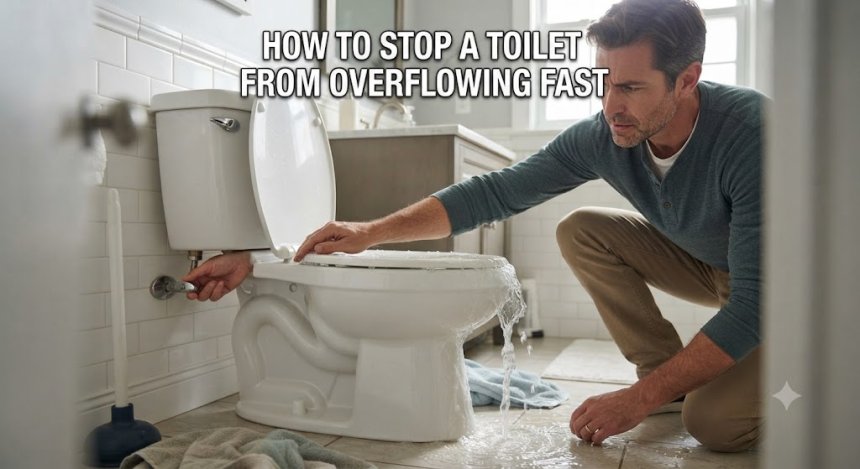
There is few sights more panic-inducing in a home than water rising ominously toward the rim of your bathroom bowl. When you need to stop a toilet from overflowing, every single second counts to prevent thousands of dollars in ruined flooring, warped subfloors, and hazardous graywater contamination. Homeowners across the historic neighborhoods and modern developments of Milwaukee frequently encounter this crisis, especially during freezing winter months when family gatherings stress home plumbing systems or older clay sewer lines struggle with shifting ground. Acting fast protects your drywall, prevents mold, and saves you from a messy structural disaster.
Professional Diagnostic & Repair Workflow
A licensed, insured plumber approaches an active overflow and its underlying root causes through a systematic, safety-first methodology:
-
Step 1: Non-Invasive Triage & Safety Isolation: Immediately verify the water source is secured and check surrounding structural elements for hidden seepage.
-
Step 2: Precision Diagnostic & Digital Video Inspection: Run a high-definition push-rod camera down the trapway and branch line to pinpoint foreign objects, root intrusions, or structural offsets.
-
Step 3: Transparent, Upfront Options & Written Estimating: Present clear, flat-rate repair choices without hidden fees before touching a single pipe.
-
Step 4: Code-Compliant Remediation & Part Replacement: Clear obstructions using professional-grade augers or rebuild faulty fill valves and flappers according to local plumbing codes.
-
Step 5: Pressure Testing, Flow Verification, & Clean-Up: Test the flush cycle multiple times, verify proper tank refill rates, and sanitize the work area thoroughly.
Root Causes: Why This Problem Occurs in Milwaukee Homes
Overflows rarely happen for no reason; they are typically the symptom of deeper hydraulic or mechanical failures within your plumbing infrastructure.
-
Aging infrastructure & historical piping: Many Milwaukee homes built in the early-to-mid 20th century feature aging cast iron or galvanized steel waste stacks that accumulate internal scale, drastically narrowing the inner diameter.
-
Hard water mineral scaling: Wisconsin groundwater carries high mineral content, leading to rapid calcium and lime buildup inside jet holes, fill valves, and flush mechanisms.
-
Municipal water pressure fluctuations: Sudden pressure swings from city mains can overfill tanks or overpower worn-out inlet seals.
-
Seasonal freeze-thaw cycles: Extreme Midwestern winters cause ground heaving around exterior sewer lines, creating minor cracks that invite root intrusion and chronic backups.
-
Material degradation: Rubber flappers, plastic fill valves, and wax rings simply wear out and lose flexibility after 7 to 10 years of standard use.
Critical Warning Signs: When Your Home is Sounding the Alarm
Long before a bowl spills over onto your tile, your plumbing system sends out subtle distress signals that demand professional attention.
-
Auditory clues: Listen for persistent gurgling sounds in your tub drain when the toilet flushes, water hammering behind walls, or a "ghost flushing" sound where the toilet refills randomly without being used.
-
Olfactory indicators: Persistent sewer gas odors or faint smells of damp earth and mildew around the bathroom base point to a failing wax ring or venting blockage.
-
Structural red flags: Unexplained spikes in your water bill, damp patches near the baseboard, or tiles that feel slightly spongy underfoot mean slow leaks are already compromising your subfloor.
-
Cascading risks: Ignoring these alerts accelerates wood rot, creates breeding grounds for toxic black mold, and compromises the structural framing of your home.
Unique Expert Insights: Hard Truths Homeowners Learn Too Late
-
Temporary quick-fix patches and duct tape solutions on supply lines mask deeper system failures and can instantly void your homeowners insurance water-damage coverage.
-
Pouring harsh chemical drain cleaners down a backed-up toilet corrodes metal pipe walls from the inside out and creates boiling chemical splash-backs if you have to plunge later.
-
Unlicensed handymen often create hidden plumbing code violations that fail during mandatory home inspections when you try to sell the property.
-
Enrolling in regular preventive maintenance plans costs a tiny fraction of a single emergency midnight extraction and flooring replacement.
Financial Breakdown: Cost Factors & Investment Realities
Plumbing repairs involve variable inputs that dictate overall project pricing. Flat-rate professional pricing typically accounts for severity, accessibility, and material quality.
-
Diagnostic & dispatch fees: Covers the trained technician's travel time, specialized tools, and initial system assessment.
-
Specialty equipment deployment: Using digital cameras or motorized augers for deep main-line blockages.
-
Material grade: Premium components like heavy-duty brass fill valves or high-grade PEX piping cost slightly more upfront but offer decades of reliability.
-
Permitting requirements: Major sewer line replacements or stack repairs mandated by local municipalities involve administrative fees.
-
Repair vs. replacement economics: If a toilet porcelain tank is cracked or the fixture is over 30 years old, replacing the entire unit is often more cost-effective than constant part swaps.
Advanced Diagnostics: The Professional Tool Arsenal
Professional technicians rely on heavy-duty gear to eliminate guesswork and pinpoint exact failure points instantly.
-
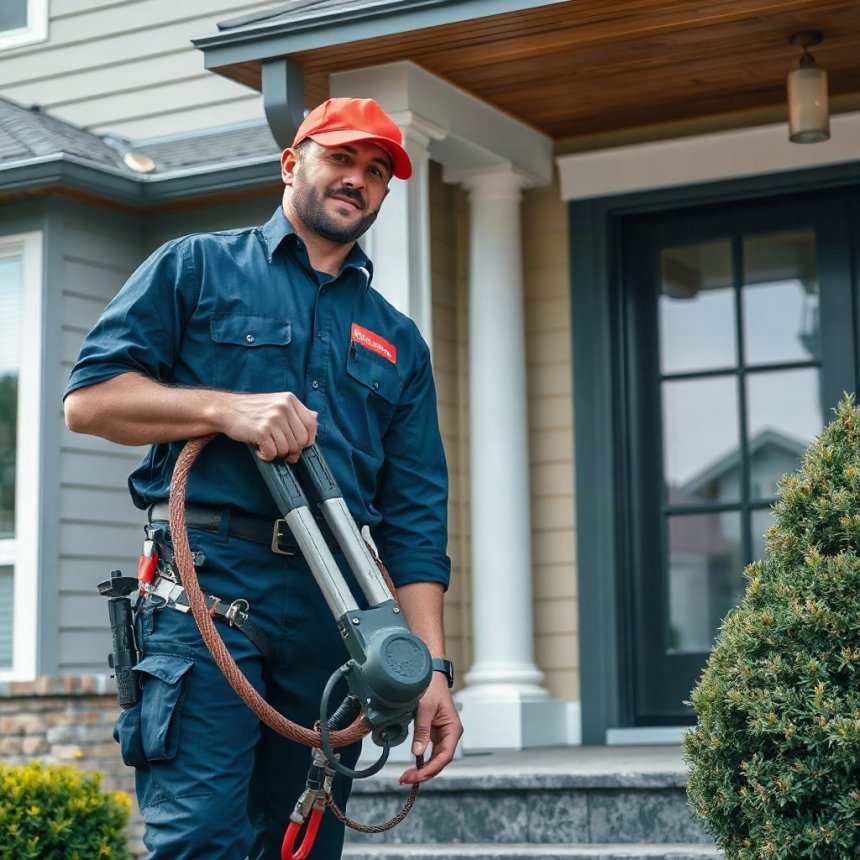
Push-rod high-definition drain and sewer cameras: Provide a crystal-clear live view of the interior pipe conditions, allowing us to see root balls, cracks, or collapsed sections without tearing up your lawn.
-
Electronic acoustic and thermal leak detectors: Pinpoint hidden pipe fissures behind finished walls or under concrete slabs by listening for turbulent water flow.
-
Hydro-jetting high-pressure cleaning units: Blasts away decades of grease, scale, and stubborn clogs using water streams pressurized up to 4,000 PSI.
-
Electronic pipe locators and digital manometers: Map out underground utility lines precisely and measure exact water pressure to safeguard your fixtures against over-pressurization.
Comprehensive Home Plumbing Maintenance Framework
Keep your system running smoothly year-round by adopting a structured seasonal maintenance routine:
-
Spring/Summer checks: Inspect outdoor hose spigots for winter damage, test your sump pump before heavy spring rains, and check exterior soil grading to ensure water flows away from your foundation.
-
Fall/Winter preparation: Insulate exposed basement pipes, completely disconnect and drain outdoor garden hoses, and flush your water heater tank to clear out sediment buildup.
-
Year-round habits: Use drain strainers in showers and sinks, test your pressure reducing valve (PRV) annually, and strictly avoid flushing "flushable" wipes, paper towels, or hygiene products.
DIY Reality Check: What You Can Safely Fix vs. When to Step Back
Knowing your limits prevents minor plumbing annoyances from escalating into costly disasters.
-
Safe homeowner actions: Turning off the miniature shut-off valve behind the toilet, using a standard flange plunger to clear simple trap clogs, or manually adjusting a tangled tank chain.
-
The danger zone: Never attempt to force a rigid metal snake through low-flow low-profile toilets, as you can easily crack the internal porcelain trapway.
-
When to call a pro: If water continues to rise despite shutting the valve, if sewage is backing up into your bathtub simultaneously, or if you notice electrical outlets sparking near pooling water, drop the wrench immediately and call an expert.
Emergency Protocol: When Immediate Dispatch is Non-Negotiable
Certain plumbing failures require a 24/7 emergency response to protect your family and property.
-
Active structural flooding where water is pouring through ceilings or pooling across living areas.
-
Complete main sewer line backups forcing raw sewage up through basement floor drains and toilets.
-
Total loss of potable water supply in sub-zero weather conditions threatening frozen pipe bursts.
-
Overflowing fixtures coming into direct contact with live electrical baseboard heaters or outlets.
Frequently Asked Questions (FAQs)
-
How do I stop my toilet from overflowing right now? Reach down to the wall behind the toilet and turn the oval or multi-turn shut-off valve clockwise until it stops. Simultaneously, remove the tank lid and push down the rubber flapper to seal the flush hole.
-
Why does my toilet keep overflowing randomly? Random overflows usually stem from a partially blocked main drain line, a malfunctioning fill valve that fails to shut off, or a water level set too high in the tank.
-
Can a clogged vent stack cause my toilet to overflow? Yes. If roof vent stacks are blocked by leaves, ice, or animal nests, air cannot escape the plumbing system, causing sluggish drains and erratic fixture behavior.
-
Are "flushable" wipes really safe for Milwaukee plumbing systems? No. Despite manufacturer marketing claims, wet wipes do not break down in water like toilet paper and are the leading cause of residential sewer line blockages.
-
Should I use a plunger on a toilet that is already full to the brim? Be cautious. Plunging an overly full bowl will cause water to splash everywhere. Bail out excess water with a bucket first until the bowl is at a manageable half-full level before plunging.
-
What is the difference between a wax ring failure and a clogged trap? A clogged trap prevents water from leaving the bowl during a flush. A wax ring failure causes water to leak out onto the bathroom floor around the base every time the toilet is flushed.