Why Does My Toilet Keep Running?
Toilet running non-stop? Learn the 5 most common causes, simple DIY fixes, what tools you need, and when to call a professional plumber.
What Is Happening Inside a Running Toilet?
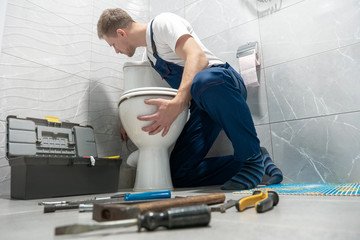
A constantly running toilet isn't just an annoying background hiss—it can waste up to 200 gallons of water per day, significantly driving up your monthly utility bill.
To fix the problem, it helps to understand the basic mechanics inside your toilet tank. When you flush, the lever lifts a rubber flapper (or flush valve seal), letting water rush from the tank into the bowl. As the water empties, the flapper falls back down over the drain hole to create a seal. Meanwhile, a fill valve opens to refill the tank with fresh water until a rising float signals the valve to shut off.
When a toilet keeps running, it means water is continuously escaping from the tank into the bowl, forcing the fill valve to stay open (or cycle on and off repeatedly, known as "phantom flushing").
Understanding the Anatomy of Your Toilet Tank
Before troubleshooting, remove the heavy porcelain tank lid and set it on a towel. Take a moment to identify these core components:
The 5 Most Common Causes of a Running Toilet (and How to Fix Them)
1. Faulty or Worn-Out Toilet Flapper
The rubber flapper sits at the bottom of the tank. Over time, exposure to minerals in hard water or chemical cleaning tablets degrades the rubber, making it warped, brittle, or slimy. When the flapper fails to seal completely, water constantly leaks into the bowl.
-
How to test: Add 5–10 drops of food coloring into the toilet tank and wait 15 minutes without flushing. If colored water appears in the bowl, your flapper seal is leaking.
-
The fix: Shut off the water valve behind the toilet, flush to drain the tank, unhook the old flapper from the pegs on the overflow tube, and snap a standard replacement flapper in its place.
2. Flapper Chain Is Too Tight or Too Loose
The lift chain connects the tank lever arm to the flapper.
-
If the chain is too short/tight: It pulls up on the flapper continuously, preventing it from resting flat over the flush valve opening.
-
If the chain is too long/loose: It can slip underneath the flapper as it closes, breaking the watertight seal.
-
The fix: Adjust the chain clip so there is roughly 1/2 inch of slack when the flapper is fully seated.
3. Water Level Set Too High (Overflowing into the Tube)
If the water level in the tank rises above the open top of the vertical overflow pipe, excess water will continuously pour into the tube and down into the bowl.
-
How to test: Look inside the tank. Is water actively spilling into the top of the hollow vertical tube?
-
The fix: Adjust the float to lower the shutoff water level:
-
Float cup (modern style): Locate the plastic adjustment screw attached to the float rod and turn it counterclockwise with a screwdriver to lower the float position.
-
Float ball (older style): Gently bend the brass float arm slightly downward so the float rests lower in the water.
-
Aim for the water level to sit about 1/2 to 1 inch below the top of the overflow pipe.
-
4. Malfunctioning or Mineral-Clogged Fill Valve
If you lowered the float below the overflow tube and water still refuses to stop filling, the internal seal inside the fill valve is likely failed or jammed with mineral scale.
-
The fix: You can attempt to clean the fill valve seal by turning off the water, lifting the top cap, and flushing out debris. However, since a complete universal fill valve replacement kit costs under $15–$20, replacing the entire assembly is usually the best long-term solution.
5. Refill Tube Inserted Too Far Down the Overflow Pipe
The small flexible plastic tube (refill tube) directs a small stream of water into the hollow overflow pipe to refill the bowl during a flush. If this plastic tube is pushed too far down into the overflow pipe, it creates a siphon effect that continuously pulls water out of the fill valve.
-
The fix: Ensure the refill tube is clipped to the top edge of the overflow pipe using the metal or plastic angle adapter, rather than shoved deep inside the pipe.
Diagnostic Checklist for Homeowners
Use this breakdown to identify which component is causing your specific symptom:
| Symptom | Primary Cause | Recommended DIY Action |
| Water continuously spills into the central tube | Float set too high or bad fill valve | Adjust float screw downward; replace fill valve if water won't stop |
| Toilet "randomly" turns on for 5 seconds every hour | Slow leak past the flapper ("phantom flush") | Perform food coloring dye test; replace flapper seal |
| Water runs continuously, but tank level stays low | Flapper stuck open or chain caught | Unhook tangled chain; replace warped or decayed flapper |
| Hissing sound that stops when you lift the float arm manually | Misadjusted or failing fill valve | Lower float height setting or replace fill valve assembly |
Safe DIY Fixes vs. Calling a Licensed Plumber
What You Can Safely DIY
-
Adjusting the lift chain slack or float height.
-
Replacing a flexible rubber flapper or flush valve seal.
-
Replacing a universal fill valve assembly and supply line washer.
When to Call a Professional Plumber
-
Corroded or stuck shutoff valve: If the angle stop valve on the wall behind your toilet won't turn or drips when touched.
-
Leaking tank-to-bowl gasket: If water is leaking onto your bathroom floor from between the upper tank and lower bowl.
-
Cracked porcelain: If you spot hairline cracks along the tank body or toilet bowl.
-
Persistent running after replacing all internal parts: Indicates potential issues with flush valve seats, hidden cracked overflow tubes, or high home water pressure exceeding 80 PSI.
Frequently Asked Questions
Is a running toilet an emergency?
While a running toilet isn't an immediate structural hazard like a burst pipe, it should be addressed promptly. Leaving a toilet running continuously can waste thousands of gallons of water in a matter of weeks and cause a sharp increase in your water bill.
How much does it cost to fix a running toilet?
If you fix it yourself, standard replacement parts (flappers, float valves, fill valve kits) typically cost between $5 and $25. If you hire a professional plumber, total costs generally range depending on diagnostic time, local labor rates, and whether additional hardware needs replacement.
Can high house water pressure cause a toilet to keep running?
Yes. If your home's main water pressure exceeds 80 PSI, the high pressure can force water past the fill valve diaphragm even when the float is fully raised, leading to continuous running.
Why does my toilet run every few minutes when nobody used it?
This is known as a "phantom flush." It occurs when water slowly leaks out of the tank into the bowl due to a bad flapper or cracked flush valve seat. Once the water level drops low enough, the float drops and triggers the fill valve for a few seconds to top off the tank.