Sewer Line Replacement Cost Milwaukee | Expert Pricing
Learn sewer line replacement costs in Milwaukee, WI. Explore warning signs, causes, timelines, and local factors with tims plumbing hvac.

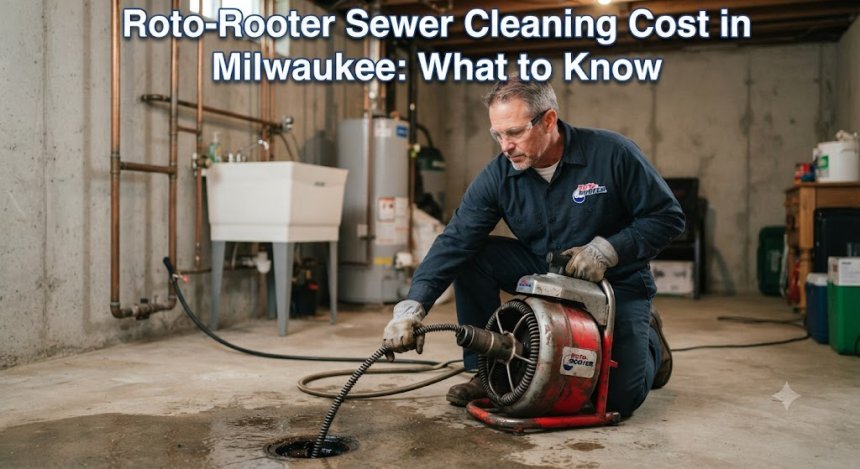
How Much Does Roto-Rooter Sewer Line Replacement Cost in Milwaukee, WI?
Faced with a failing sewer line, homeowners often find themselves overwhelmed by the potential expenses and urgent disruptions. When raw wastewater backs up into basement floor drains or persistent foul odors settle over the yard, quick and reliable answers are essential. For property owners throughout Milwaukee, Oak Creek, and the surrounding Southeast Wisconsin region, understanding sewer line replacement costs—including what major national franchises like Roto-Rooter charge versus independent local experts—helps bring clarity to a stressful plumbing emergency.
At tims plumbing hvac, situated right in your area at 6418c S Howell Ave, Oak Creek, WI 53154, we champion transparent pricing and honest guidance. Below is a detailed breakdown of sewer line replacement expenses, warning signs, repair methodologies, and how to protect your property investment.
Introduction
Your home’s sewer main is the hidden underground channel responsible for safely carrying all household wastewater out to the municipal system. When this vital pipe cracks, collapses, or suffers heavy root intrusion, daily routines grind to an immediate halt.
Property owners across Milwaukee County—from historic neighborhoods in Bay View and Shorewood to newer residential developments in Oak Creek, Franklin, and Greenfield—frequently encounter sewer challenges due to aging infrastructure, shifting frost lines, and aggressive Midwest tree roots.
Homeowners research these costs to prepare financially for an inevitable project. Recognizing what influences the price tag and how licensed plumbers diagnose underground issues empowers you to make informed, budget-conscious decisions without falling for high-pressure sales tactics.
What Is a Sewer Line Replacement?
A sewer line replacement involves excavating or utilizing trenchless technology to remove a severely damaged, cracked, or collapsed underground lateral pipe and installing a brand-new, code-compliant piping network.
Common Situations & Symptoms
Sewer lines usually remain out of sight until failure occurs. Common scenarios include multiple plumbing fixtures backing up simultaneously, gurgling noises emitting from toilets when sinks drain, or soggy, foul-smelling patches forming in the yard during dry summer months.
Examples
Picture running your laundry machine and watching gray water bubble up through your basement floor drain. This classic sign indicates that wastewater cannot exit through the main lateral because a structural obstruction or broken pipe wall blocks the path.
Why Does This Plumbing Problem Happen?
Underground sewer pipes endure immense physical stress over decades of operation. Several primary causes lead to premature failure:
-
Aging Pipes: Many older Milwaukee properties feature vintage clay, cast iron, or Orangeburg pipes that have long surpassed their functional lifespans (often 50 to 80 years).
-
Tree Roots: Trees aggressively chase moisture. Tiny cracks or joint seals leak vapor, drawing roots from maples and willows deep inside the pipe where they expand and choke off flow.
-
Shifting Soil & Freeze-Thaw Cycles: Wisconsin winters feature deep frost lines that cause soil to freeze, expand, and shift violently, putting intense stress on rigid underground lines.
-
Hard Water & Mineral Buildup: Hard water laden with calcium and magnesium leaves scale deposits inside pipes, narrowing the interior diameter over time.
-
Improper Installation: If a line was laid without the proper downward pitch during initial construction, wastewater flows sluggishly, creating chronic sludge buildup.
-
Foreign Objects & Grease: Flushing "flushable" wipes, paper towels, or pouring cooking grease down drains creates impenetrable blockages that pressure-crack aging pipes.
Signs You Should Never Ignore
Catching sewer line trouble early prevents a minor localized repair from turning into an expensive excavation project. Watch closely for these warning signs:
-
Slow Drains Everywhere: If your bathtub, kitchen sink, and bathroom sink drain sluggishly all at once, the obstruction is in the main sewer line.
-
Gurgling Plumbing Fixtures: Trapped air bubbles up through water traps in your toilets when water runs elsewhere in the house.
-
Unpleasant Odors: Persistent sulfur or sewage smells lingering around basement drains or outdoor utility covers.
-
Lush, Green Patches in the Lawn: If a specific strip of grass is remarkably greener than the rest of the yard during dry weather, a leaking sewer line is fertilizing the turf from beneath.
-
Foundation Shifts & Sinkholes: Severe underground leaks wash away supporting soil beneath your foundation or driveway, causing localized settling.
Common Plumbing Problems Related to This Issue
Sewer line deterioration rarely happens in isolation. It frequently triggers or accompanies other plumbing failures:
-
Severe Drain Clogs: Hair and grease catch on rough interior surfaces of damaged pipes, causing recurring main line blockages.
-
Basement Sewage Backups: When the main line is fully obstructed, every flush forces raw sewage backward into the lowest points of your home.
-
Slab Leaks: Cracks in under-slab sewer or supply lines erode the sub-base beneath concrete floors.
-
Fixture Damage: Continuous backpressure and caustic gases erode toilet seals and floor drain components.
Step-by-Step Professional Repair Process
When you partner with licensed professionals like tims plumbing hvac, replacing a sewer line follows a systematic, engineering-backed protocol designed to minimize property disruption.
    A waterproof camera is pushed through the cleanout to visually inspect the interior of the pipe, identifying cracks, root infiltration, or collapses down to the exact inch.


    The lead plumber analyzes camera footage, pipe depth, soil composition, and municipal hookup layout to choose the safest, most cost-effective replacement strategy.


    A clear, itemized quote is provided before work starts. Local permits are secured through municipal building departments in Milwaukee or Oak Creek.


    Depending on the chosen method, technicians either excavate a precise trench or utilize trenchless pipe bursting equipment to install durable new piping.


    Water and air pressure tests are performed on the new lateral line to ensure zero leaks, proper grade pitch, and smooth, unrestricted flow.


    Trenches are backfilled and compacted in layers to prevent future settling. Landscaping and hard surfaces are restored or prepped for finishing.


    The technician walks you through the completed work, outlines best practices to protect your new system, and reviews applicable warranties.
Can You Fix It Yourself?
Many homeowners hope for a DIY remedy when plumbing trouble strikes. However, full sewer line replacement is never a DIY project.
While you can safely use a plunger on a single toilet or pour boiling water down a greasy kitchen sink to clear minor surface clogs, attempting to fix a broken or collapsed main sewer line without professional training and heavy machinery is hazardous.
Renting industrial trenching equipment without locating underground utilities risks catastrophic utility strikes, severe personal injury, or fatal electrocution. Furthermore, improper pipe grading or faulty joint sealing causes repeated sewage backups, violates local building codes, and costs far more to correct. Hiring licensed experts is essential.
Tools Professionals Use
Modern plumbing relies on advanced diagnostic and repair technology to resolve underground issues with precision:
-
Drain & Sewer Inspection Cameras: High-definition pan-and-tilt cameras transmit real-time video feeds, letting plumbers see root intrusion and structural breaks.
-
Electronic Pipe Locators: Transmitting sondes allow technicians above ground to pinpoint the exact depth and location of a hidden pipe failure beneath concrete.
-
Hydro Jetting Systems: High-pressure water blasters (up to 4,000 PSI) scour pipe walls clean of stubborn scale and grease.
-
Trenchless Pipe Bursting Equipment: Specialized hydraulic rigs pull a new seamless pipe through the path of the old one while simultaneously fracturing the damaged pipe outward into the soil.
How Long Does the Repair Usually Take?
The timeline for sewer work varies based on the scope and method chosen:
-
Simple Repairs (Spot Repair / Cleanout Installation): 4 to 8 hours (typically completed in a single day).
-
Moderate Repairs (Trenchless Pipe Lining / Bursting): 1 to 2 days.
-
Major Repairs (Traditional Excavation of Deep Lines): 2 to 5 days, depending on soil conditions and municipal inspection schedules.
-
Emergency Interventions: Immediate temporary bypass pumping or rooter clearing can be established within hours to restore basic drainage.
Cost Factors & Comparing Franchise vs. Local Pricing
When looking at sewer line replacement expenses—including corporate franchises like Roto-Rooter compared to independent local contractors—pricing structures vary. National chains often utilize flat-rate pricing tiers where minor clogs run $350 to $600, while major sewer line replacements and emergency overhauls frequently range from $3,500 to $20,000 nationally, with local Milwaukee averages typically spanning $2,300 to $7,500 depending on project complexity.
-
Diagnostic Fees: Initial video camera inspections and consultations generally range from $150 to $400.
-
Length & Depth of Pipe: Deeper lines buried 6 to 8 feet below the frost line require shoring and specialized excavation.
-
Access Barriers: Pipes running underneath concrete driveways, stone patios, or municipal sidewalks require concrete breaking and restoration.
-
Method (Trenchless vs. Traditional): Trenchless methods preserve landscaping and hardscaping, saving thousands in restoration costs, though equipment mobilization fees apply.
-
Permit & Disposal Fees: Local municipal building permits in Milwaukee County typically add $100 to $500.
Hidden Truths Homeowners Should Know
-
Small leaks become expensive repairs: Ignoring a minor damp spot invites major soil erosion.
-
Cheap temporary fixes often fail: Pouring chemical root killers down a broken clay pipe only offers a temporary mask.
-
Insurance rarely covers neglected maintenance: Standard policies cover sudden accidental water damage but exclude gradual sewer wear.
-
Tree roots return: Without a seamless replacement, roots continue to infiltrate aging joints.
-
Hard water shortens fixture lifespan: Mineral scale corrodes water heaters and supply lines internally.
-
DIY mistakes multiply costs: Incorrect glue application or misaligned fittings create secondary leaks.
-
Delaying repairs causes structural damage: Saturated soil beneath footings can shift load-bearing walls.
-
Hidden leaks increase utility bills: A compromised sewer lateral often correlates with high municipal water usage.
-
Mold develops rapidly: Raw sewage introduces organic matter that sparks mold colonies within 48 hours.
-
Annual maintenance saves money: Proactive drain cleaning prevents midnight emergencies.
15 Common Mistakes Homeowners Make
-
Ignoring minor slow drains: Brushing off a sluggish bathtub drain until it backs up completely.
-
Using harsh chemical drain cleaners: Corrosive lye-based chemicals eat away at older metal and PVC pipe joints.
-
Flushing "flushable" wipes: Non-dispersible synthetic fibers tangle into indestructible masses in sewer lines.
-
Pouring grease down kitchen sinks: Congealed fats solidify inside cold underground pipes.
-
Ignoring water pressure surges: Failing to check faulty pressure-reducing valves that stress pipe connections.
-
Hiring unlicensed handymen: Risking code violations and zero legal recourse.
-
Skipping annual plumbing checkups: Waiting for catastrophic failure instead of routine maintenance.
-
Planting large trees near sewer lines: Putting weeping willows or maples directly over lateral paths.
-
Over-tightening threaded fittings: Cracking PVC or brass adapters during DIY installations.
-
Neglecting main cleanout caps: Leaving cleanout ports unsealed, allowing sewer gas into the home.
-
Using incorrect pipe materials: Mixing incompatible plastics or failing to use transition couplings.
-
Disposing of paint and solvents: Pouring harsh chemicals down drains that degrade pipe linings.
-
Failing to map utility lines before digging: Forgetting to call Diggers Hotline (811) before landscaping projects.
-
Overloading old systems: Running multiple high-water-use appliances simultaneously on a compromised lateral.
-
Accepting verbal-only quotes: Failing to get detailed, written scopes of work and warranty terms.
Maintenance Tips
Protecting your plumbing system requires ongoing care and seasonal awareness:
-
Schedule Annual Camera Inspections: Have a licensed technician check your main sewer line every 2 to 3 years.
-
Watch What You Flush: Only toilet paper and human waste belong in the toilet.
-
Install Hair Catchers: Keep shower and tub drains clear of hair and soap scum.
-
Scrape Plates Before Washing: Wipe grease and food scraps into the trash rather than the disposal.
-
Insulate Basement Pipes: Prevent freezing during sub-zero Wisconsin winter nights by wrapping exposed pipes.
-
Disconnect Garden Hoses in Fall: Prevent outdoor spigots from freezing and cracking back into walls.
-
Test Sump Pumps Seasonally: Ensure your crock and discharge lines are clear before spring snowmelts.
-
Use Enzyme Cleaners: Apply biological drain treatments monthly to naturally digest organic buildup.
When Should You Call an Emergency Plumber?
Certain plumbing red flags cannot wait until regular business hours:
-
Total Sewage Backup: Raw wastewater flooding your basement floor.
-
Burst or Collapsed Main Line: Complete cessation of drainage accompanied by property flooding.
-
No Running Water: Total loss of water supply to the home.
-
Overflowing Toilets: Fixtures continuously bubbling over that cannot be stopped with a shut-off valve.
-
Major Structural Leaks: Sudden pipe ruptures spraying water against framing or electrical panels.
Frequently Asked Questions
1. Why is my water pressure suddenly low throughout the house?
Sudden low pressure usually points to a main water shut-off valve issue, a failing pressure-reducing valve (PRV), or a hidden water supply leak between the street meter and your home.
2. How much does leak detection cost?
Professional electronic leak detection typically ranges from $200 to $500, depending on the complexity and location of the hidden leak behind walls or beneath concrete slabs.
3. Can a clogged drain damage my pipes?
Yes. Persistent clogs create extreme hydrostatic pressure behind the blockage, which can rupture pipe joints or force wastewater backward into living spaces.
4. Is hydro jetting safe for old pipes?
A licensed plumber must perform a camera inspection first. If pipes are severely corroded or structurally compromised, hydro jetting can damage them; in such cases, gentle snaking or replacement is required.
5. How do I know if my sewer line is broken?
Multiple slow drains, gurgling toilets, foul sewage odors in the basement or yard, and lush green patches in your grass during dry weather are telltale signs of a broken sewer line.
6. How long do water heaters last?
Standard tank water heaters typically last 8 to 12 years, while tankless units can operate efficiently for 15 to 20 years with proper annual flushing.
7. Why does my faucet keep dripping?
A dripping faucet is usually caused by a worn-out rubber washer, O-ring, or corroded valve seat inside the cartridge that needs replacement.
8. What causes main water pipes to burst?
Freezing winter temperatures are the leading cause; when water freezes inside uninsulated pipes, it expands with immense force, splitting copper, PEX, or PVC.
9. Can plumbing leaks increase my water bill?
Absolutely. Even a small hidden leak or running toilet can waste thousands of gallons of water per month, driving up municipal utility bills unexpectedly.
10. When should I replace plumbing instead of repairing it?
If your pipes experience frequent leaks, extensive corrosion, pinhole leaks, or are made of obsolete materials, full replacement is far more cost-effective than endless spot repairs.
Why Choose tims plumbing hvac
When you face plumbing challenges in Milwaukee, Oak Creek, and the surrounding Southeast Wisconsin region, you deserve a team that puts integrity and craftsmanship first.
-
Experienced Licensed Plumbers: Highly trained professionals equipped to handle complex residential and commercial plumbing challenges.
-
Honest Recommendations: Clear, straightforward advice without high-pressure sales tactics.
-
Upfront Estimates: Transparent pricing so you know exact costs before work begins.
-
Fast Response & Emergency Availability: Prompt scheduling when you need reliable help the most.
-
Modern Equipment: State-of-the-art camera inspection, hydro jetting, and diagnostic tools.
-
Local Expertise: Deep familiarity with Milwaukee County building codes, soil types, and seasonal weather challenges.