Why Shower Water Pressure Suddenly Drops: Causes & Fixes
Discover why your shower water pressure suddenly dropped. Learn how to diagnose fixture, valve, and supply problems in your Oak Creek home.
Understanding a Sudden Drop in Shower Water Pressure
Stepping into a shower only to be met by a weak trickle instead of a steady, invigorating spray is frustrating. When shower water pressure drops suddenly, it usually points to a specific physical restriction or mechanical failure rather than a gradual decline in municipal supply. While a slow drop over several years typically indicates mineral buildup, an abrupt change demands a targeted diagnostic approach.
In many Oak Creek homes, understanding whether the pressure loss affects only one bathroom or the entire house is the first step toward a correct diagnosis. Plumbing systems combine supply lines, mixing valves, and fixture-specific hardware, each of which can fail independently.
The Shower Head and Aerator Restriction
The most common and easiest cause to investigate is a restricted shower head. Over time, mineral deposits, sediment, and pipe scale travel through supply lines and lodge inside the internal channels or rubber nozzles of the shower head. In areas with hard water, mineral accumulation can happen surprisingly fast.
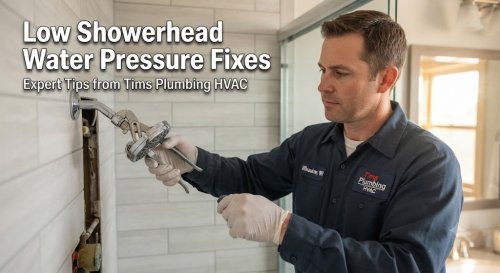
To check this, unscrew the shower head from the shower arm. Turn on the water briefly while pointing the pipe downward into the tub. If the water rushes out with normal, strong pressure, the obstruction is entirely contained within the shower head. Soaking the fixture in a mild descaling solution overnight typically dissolves the mineral deposits and restores normal flow. If the water pressure coming straight out of the pipe remains weak, the restriction lies deeper within the plumbing system.
The Pressure-Balancing Valve and Cartridge Failure
Modern residential showers are required by building codes to feature pressure-balancing valves. These internal mechanical valves mix hot and cold water while automatically adjusting to pressure fluctuations—such as someone flushing a toilet elsewhere in the house—to prevent scalding.
Inside these valves sits a spool, piston, or balancing cartridge. Over years of operation, O-rings can degrade, debris can jam the internal moving parts, or mineral scale can lock the spool in a restricted position. If the balancing mechanism becomes stuck, it may limit the flow of either hot or cold water, resulting in a lukewarm shower with very poor pressure. Alternatively, a damaged cartridge can fail to mix water correctly, allowing crossover between hot and cold lines that reduces overall output pressure.
Replacing a shower cartridge requires turning off the main water supply to the home, removing the trim plate, extracting a retaining clip, and pulling the old cartridge. Because incorrect installation can lead to leaks behind the wall or persistent pressure issues, homeowners should ensure they are comfortable with basic cartridge replacement before attempting the repair.
Is the Problem Isolated or Whole-House?
A crucial diagnostic clue is whether the pressure drop is limited to a single shower or affects multiple plumbing fixtures throughout the property.
- Single Fixture: If only one specific shower experiences low pressure while the bathroom sink, toilet, and kitchen faucets run normally, the issue is isolated to that shower head, its supply arm, or its individual mixing valve.
- Multiple Fixtures: If the shower, kitchen sink, and laundry utility sink all show a simultaneous drop in pressure, the problem originates upstream. This points toward a main shut-off valve that has been accidentally bumped partially closed, a failing pressure-reducing valve (PRV) on the main supply line, or a sudden municipal water supply restriction.
For homeowners in older residential properties across southeastern Wisconsin, aging main supply lines or corroded galvanized steel pipes can also experience internal scaling that progressively narrows the interior diameter of the pipe, though this usually causes a gradual rather than sudden drop.
Shared Plumbing and Multi-Family Considerations
For residents living in condominiums, townhomes, or multi-family apartment buildings in Oak Creek, water pressure behavior can be influenced by shared infrastructure. If a pressure drop occurs during peak morning or evening hours when neighbors are also using water, the building's booster pump, pressure regulator, or main supply riser may be struggling to maintain adequate volume.
In managed properties, tenants and condo owners should check whether other units are experiencing similar symptoms. If the issue is building-wide, it typically falls under the responsibility of the property management, HOA, or landlord, rather than being a private fixture repair.
Safe Homeowner Inspection Steps
Homeowners can safely perform several diagnostic checks before contacting a professional plumber:
- Test all other faucets and fixtures on the same floor to determine if the pressure drop is isolated or widespread.
- Inspect the main water meter and main shut-off valve to ensure the valve is fully open and unobstructed.
- Remove and clean the shower head to eliminate mineral scaling as a potential cause.
- Check for any visible signs of dampness, active water leaks, or drywall staining near the shower wall or in the basement ceiling directly below the bathroom.
If these checks do not reveal a simple blockage or valve adjustment, or if the mixing valve requires internal cartridge replacement beyond the homeowner's comfort level, professional diagnosis is recommended.
Factors That Influence Professional Repair Costs
When a plumbing professional is needed to diagnose and repair a stubborn pressure drop, several variables determine the scope and cost of the work:
- Nature of the Fault: Replacing a standard shower cartridge is a straightforward repair. Diagnosing a failing pressure-reducing valve or locating a hidden restriction behind tiled walls requires specialized diagnostic tools and more labor time.
- Access Limitations: Showers built with open access panels behind the wall (such as in an adjacent hallway closet) allow for faster repairs. Showers enclosed in tile or fiberglass units without rear access require careful front-side disassembly.
- Valve Compatibility: Older or proprietary shower valve brands may require specialized puller tools or exact-match replacement cartridges to ensure proper sealing.
- Upstream Components: If the pressure drop is traced back to a failed main pressure-reducing valve or a faulty thermal expansion tank on the water heater, replacing those system-level components involves different materials and labor requirements than a simple fixture repair.
A qualified plumber will perform pressure tests at multiple points in the home to isolate whether the restriction is occurring at the meter, the water heater, the main supply lines, or the individual shower mixing valve.
Frequently Asked Questions
Why did my shower pressure drop suddenly overnight?
A sudden overnight drop often indicates that a piece of loose scale, mineral debris, or solder from a recent repair has broken free and lodged inside the shower head inlet, the valve cartridge, or an inline check valve. Alternatively, the main water shut-off valve may have been partially bumped.
Can a failing water heater cause low shower pressure?
Yes, but typically only for the hot water side. If sediment buildup inside a traditional tank water heater blocks the outlet nipple, or if a thermal mixing valve on the water heater fails, hot water flow can become severely restricted while cold water runs at normal pressure.
How do I know if my shower valve is broken?
If cleaning the shower head does not help, and turning the shower handle results in loose movement, stiffness, failure to mix temperatures correctly, or a weak stream regardless of handle position, the internal mixing cartridge or pressure-balancing spool is likely damaged.
Is low water pressure covered by my condo association?
It depends on the plumbing configuration. If the pressure drop is caused by a failure in a shared building riser, booster pump, or main pressure regulator, the association is usually responsible. If the issue stems from a clogged private mixing valve or shower head inside your unit, it is generally the owner's responsibility.
Should I try to fix a leaking or stuck shower valve myself?
Basic cartridge replacement is manageable for experienced DIYers who have the correct cartridge puller tool and can completely shut off the home's water supply. However, if the plumbing involves soldered copper pipes without threaded connections or if the valve body is corroded, professional assistance prevents accidental pipe damage behind the wall.