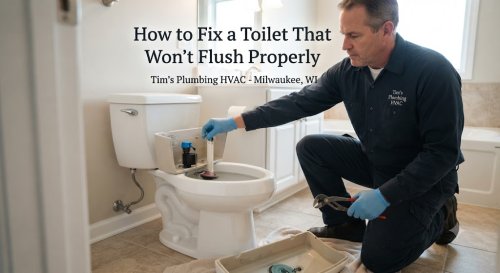
How to Fix a Toilet That Won’t Flush Properly
Learn why your toilet won’t flush properly, how to fix temporary issues, and when to call Tims Plumbing HVAC in Milwaukee, WI.
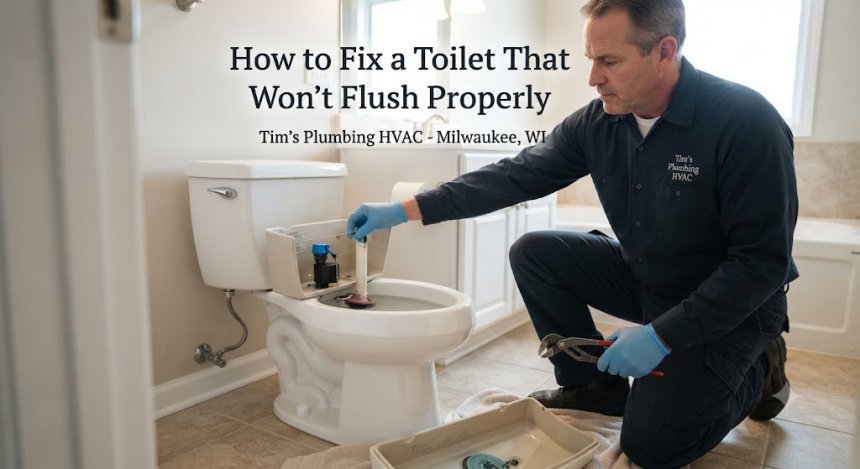
Understanding Why Your Toilet Won’t Flush Properly in Milwaukee Homes
Dealing with a toilet won't flush scenario is one of the most frustrating household disruptions, frequently striking families and business owners across Milwaukee, WI, from the historic homes in Bay View to newer builds in the Historic Third Ward and surrounding neighborhoods like Wauwatosa and Brookfield. This common plumbing issue typically stems from a malfunctioning tank mechanism, a partial trapway obstruction, or mineral buildup from local water profiles. Immediate attention is critical because a toilet that fails to flush can quickly lead to unsanitary overflows, water damage to subfloors, and soaring utility bills if a flapper fails to seal completely. Homeowners frequently search for this topic when confronted with sudden weak flushes or a completely unresponsive handle, seeking reliable, step-by-step guidance before a minor inconvenience transforms into an urgent plumbing emergency requiring professional intervention from Tims Plumbing HVAC.
What Is a Non-Flushing Toilet?
A non-flushing toilet is a plumbing fixture that either lacks the necessary water volume, force, or mechanical linkage to clear waste down the drain line.
-
Definition: A failure of the gravity-flush or pressure-assisted system to transport waste from the bowl through the porcelain trap and into the main sanitary sewer line.
-
Common Situations: Happening frequently in high-traffic residential powder rooms or commercial office spaces throughout Milwaukee County.
-
Symptoms: Sluggish water rotation, a handle that feels entirely limp or loose, gurgling sounds in nearby tubs or sinks during a flush, and water rising dangerously high in the bowl without draining.
-
Examples: Pressing the flush lever results in a weak swirl that barely moves paper, or pulling the handle yields zero mechanical resistance and no water release from the tank above.
Why Does This Plumbing Problem Happen?
Plumbing issues rarely occur without a root cause. Pinpointing the exact trigger helps prevent recurring headaches.
-
Worn Plumbing Fixtures: Rubber flappers degrade over time, warping and failing to drop enough water into the bowl to initiate a complete siphon.
-
Hard Water Mineral Buildup: Milwaukee’s water supply leaves calcium and magnesium deposits that calcify inside the tiny rim jets under the bowl edge, blocking water flow.
-
Improper Installation: Incorrectly adjusted chain lengths connecting the flush lever to the flapper can restrict water release.
-
Clogs and Foreign Objects: Non-flushable items, excessive toilet paper, or children's toys trapped deep inside the porcelain trapway.
-
Sewer Line Obstructions: Tree roots invading older clay sewer laterals outside older Milwaukee homes, restricting overall drainage capacity.
-
Poor Maintenance: Neglecting internal tank components until mineral corrosion seizes the fill valve or flush valve assembly.
Signs You Should Never Ignore
Ignoring early warning signs can escalate a minor toilet malfunction into a messy, expensive disaster.
-
Slow Drains: A sluggish bowl drainage rate indicates a developing partial clog in the P-trap or main branch line.
-
Gurgling Sounds: Air escaping through your toilet trap when running the sink or shower signals a venting issue or mainline blockage.
-
Bad Smells: Sewer gases escaping past a dry or compromised toilet wax ring create foul odors in the bathroom.
-
Standing Water Around the Base: Indicates a cracked bowl or a deteriorated wax seal failing every time a flush occurs.
-
High Water Bills: A silent leak inside the tank, such as a constantly running fill valve, wastes hundreds of gallons daily.
15 Common Mistakes Homeowners Make
Avoiding these pitfalls protects your plumbing system and saves money.
-
Ignoring leaks: Letting a minor tank drip turn into rotting subfloors.
-
Using chemical drain cleaners: Harsh acids ruin porcelain finishes and corrode older metal supply pipes.
-
Flushing wipes: Even "flushable" wipes do not disintegrate easily and cause severe municipal and residential clogs.
-
Pouring grease into drains: Though less common in toilets, putting oils down home drains wrecks system flow.
-
Ignoring water pressure problems: Failing to address high pressure that stresses tank fill valves.
-
Hiring unlicensed plumbers: Risking improper repairs and code violations.
-
Skipping maintenance: Neglecting annual inspections of supply lines and flappers.
-
Waiting until emergencies: Turning a scheduled $150 fix into an after-hours $500 emergency call.
-
Using wrong pipe materials: Mismatching PVC and cast iron without proper couplings.
-
Over-tightening plumbing fittings: Cracking porcelain tanks by cranking bolts past snug.
-
Forcing the auger incorrectly: Scratching or puncturing the interior bowl glaze.
-
Adjusting the water level too high: Causing constant overflow into the overflow tube.
-
Using wire coat hangers as snakes: Scratching the bowl permanently.
-
Disregarding manufacturer guidelines: Installing universal parts that do not match specific flush mechanisms.
-
Masking symptoms: Using deodorizers instead of fixing sewer venting problems.
Step-by-Step Professional Repair Process
When you partner with a licensed plumbing company like Tims Plumbing HVAC, technicians follow a rigorous workflow to ensure lasting results.
-
Step 1 Inspection: Visually examining the tank, bowl, supply line, and surrounding floor area for damage or leaks.
-
Step 2 Diagnosis: Testing the flush mechanism, measuring water levels, and checking the venting and drainage pathways.
-
Step 3 Estimate: Providing a clear, upfront assessment of required parts, labor, and expected costs before any work begins.
-
Step 4 Repair: Replacing worn components, clearing obstructions using professional-grade augers, or resetting the toilet with a fresh wax ring.
-
Step 5 Testing: Performing multiple test flushes to verify optimal water volume, velocity, and seal integrity.
-
Step 6 Cleanup: Sanitizing the work zone, wiping down surfaces, and leaving your bathroom cleaner than it was found.
-
Step 7 Maintenance Advice: Explaining what caused the failure and offering personalized tips to prevent future issues.
Can You Fix It Yourself?
Homeowners can safely tackle minor adjustments like tightening a loose handle chain, clearing a simple paper clog with a standard flange plunger, or adjusting the tank float to correct water levels. However, DIY steps end the moment you encounter sewage backups, cracked porcelain, continuous overflows, or clogs that defy repeated plunging. Forcing tools blindly risks damaging the inner trapway or flooding your bathroom with greywater. When simple adjustments fail, it is time to call a licensed professional.
Tools Professionals Use
Licensed technicians rely on advanced equipment to diagnose and resolve stubborn toilet and drainage issues accurately.
-
Drain Cameras: Flexible fiber-optic cameras inserted into the drain line to visually inspect for roots, cracks, or deep obstructions.
-
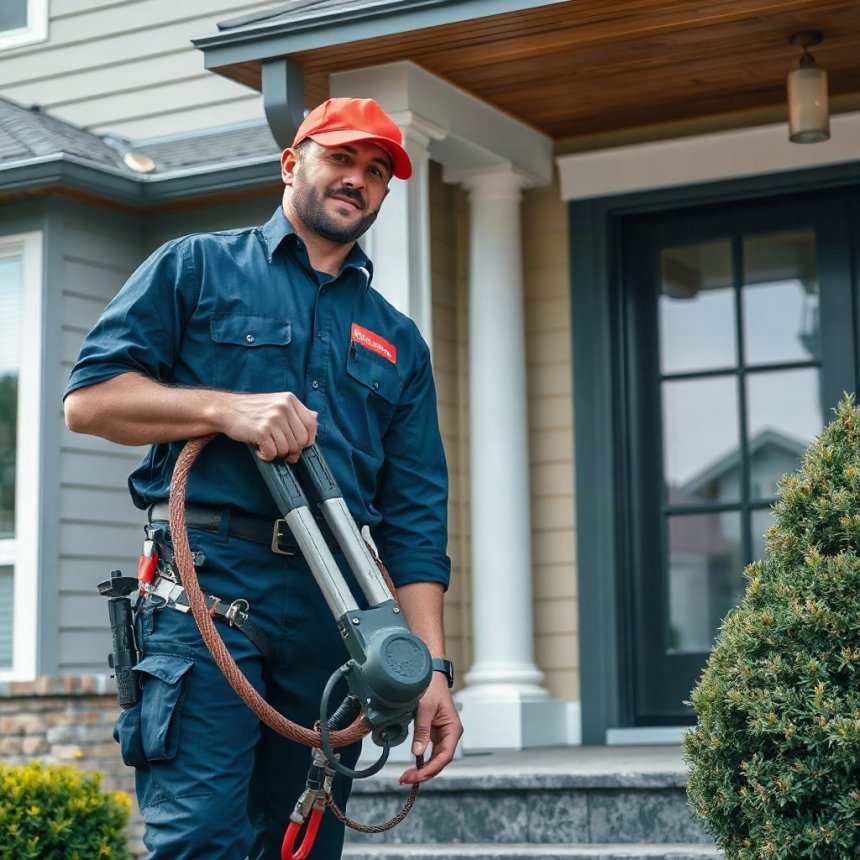
Heavy-Duty Toilet Augers: Commercial-grade snakes with rubber bowl guards designed to clear deep blockages without scratching porcelain.
-
Pressure Testing Gauges: Tools used to evaluate household water pressure and identify regulator failures.
-
Pipe Locators: Electronic transmitters that pinpoint the exact depth and location of underground pipe damage.
-
Hydro Jetting Equipment: High-pressure water systems that scour grease, scale, and roots from main sewer lines.
How Long Does the Repair Usually Take?
Repair timelines vary based on the complexity of the underlying issue.
-
Simple Repairs: Adjusting a chain or replacing a flapper takes roughly 15 to 30 minutes.
-
Moderate Repairs: Clearing a stubborn blockage with an auger or replacing a fill valve typically requires 45 to 60 minutes.
-
Major Repairs: Pulling a toilet to replace a deteriorated wax ring or repairing a damaged flange takes 1 to 2 hours.
-
Emergency Repairs: Severe main line backups or burst supply lines may require 2 to 4 hours of intensive remediation. Factors affecting this timeline include pipe accessibility, age of the plumbing fixtures, and the severity of the obstruction.
Cost Factors in Toilet and Plumbing Repairs
Professional plumbing costs depend on several key variables rather than a flat rate.
-
Diagnostic Fees: The time required to accurately pinpoint the root cause of the failure.
-
Parts and Materials: Quality replacement valves, new wax rings, supply lines, or specialized hardware.
-
Labor Rates: Time spent by licensed technicians completing the repair safely and to code.
-
Emergency Service Charges: Premium pricing for after-hours, weekend, or holiday dispatches.
-
Accessibility: Confined bathroom spaces or hidden subfloor damage that complicates access. Replacement versus repair decisions also factor in; replacing an entire antiquated toilet unit is often more cost-effective than repeatedly repairing cracked porcelain.
Hidden Truths Homeowners Should Know
-
Small leaks quickly transform into expensive structural repairs when left unchecked.
-
Cheap temporary fixes, like using duct tape on supply lines, inevitably fail under pressure.
-
Homeowner insurance policies frequently deny claims resulting from neglected, long-term plumbing maintenance.
-
Tree roots will repeatedly infiltrate compromised sewer lines until the damaged section is permanently replaced or lined.
-
Hard water in the upper Midwest drastically shortens the operational lifespan of internal flush mechanisms.
-
DIY mistakes routinely multiply repair costs by causing accidental water damage to ceilings below.
-
Delaying repairs invites mold growth and compromises indoor air quality.
Common Plumbing Problems Related to This Issue
-
Drain Clogs: Blockages in downstream shower or sink lines sharing the same vent stack.
-
Sewer Backups: Mainline failures that cause multiple plumbing fixtures to back up simultaneously.
-
Pipe Leaks: Corroded supply lines leaking water behind bathroom walls or beneath flooring.
-
Water Heater Failures: Unrelated to flushing mechanics, but often discovered during a whole-home plumbing checkup.
-
Burst Pipes: Extreme temperature drops in uninsulated Milwaukee exterior walls causing sudden line ruptures.
Maintenance Tips for Reliable Toilets
-
Check the flapper annually: Replace rubber seals before they warp and cause running water.
-
Never flush wipes or hygiene products: Even items labeled "flushable" clog residential pipes.
-
Inspect supply lines: Replace braided steel supply hoses every 5 to 10 years to prevent sudden bursts.
-
Clean rim jets: Use a small brush and vinegar to clear mineral scale deposits from Milwaukee's hard water.
-
Protect pipes in winter: Insulate bathroom plumbing on exterior walls before sub-zero temperatures hit Wisconsin winters.
-
Avoid chemical drain products: Use mechanical methods or call a pro instead of pouring harsh acids down fixtures.
-
Monitor water pressure: Install a pressure reducing valve if your home pressure exceeds 80 psi.
-
Teach household members: Ensure everyone knows what is acceptable to flush down the porcelain bowl.
-
Test the shut-off valve: Exercise the water supply valve twice a year so it works during an emergency.
-
Listen for phantom flushes: If your toilet cycles water on its own, replace the flapper immediately.
-
Keep the tank clear: Avoid storing heavy items on top of the tank lid that could cause cracking.
-
Check wax ring seals: Periodically look for moisture around the base of the toilet bowl.
-
Schedule annual plumbing checkups: Let professionals inspect all home fixtures proactively.
-
Flush twice only when necessary: Conserve water while ensuring complete waste clearance.
-
Address slow drains immediately: Clear minor restrictions before they become total blockages.
When Should You Call an Emergency Plumber?
-
Overflowing Water: A toilet that continues to spill raw sewage across your bathroom floor.
-
No Running Water: Total loss of water supply to fixtures throughout your home.
-
Sewage Backup: Wastewater bubbling up into bathtubs or floor drains during a flush.
-
Major Leaks: Sudden splits in supply lines flooding living spaces.
-
Burst Pipes: Frozen or fractured pipes threatening structural integrity. Immediate action prevents catastrophic property damage and costly restoration services.
Frequently Asked Questions
-
Why is my water pressure suddenly low? Usually caused by a partially closed main shut-off valve, mineral buildup in aerators, or a failing pressure regulator.
-
How much does leak detection cost? Pricing varies based on equipment needed and pipe location, but diagnostics ensure precise targeting without tearing up walls unnecessarily.
-
Can a clogged drain damage pipes? Yes, excessive pressure from trapped blockages and harsh chemical cleaners can weaken and rupture pipe walls.
-
Is hydro jetting safe for old pipes? Technicians adjust water pressure according to pipe age and material to ensure safe, effective cleaning.
-
How do I know if my sewer line is broken? Frequent backups, soggy patches in the yard, and foul odors point directly to sewer line damage.
-
How long do water heaters last? Standard tank water heaters typically last between 8 to 12 years with proper annual flushing.
-
Why does my faucet drip? Worn-out washers, O-rings, or internal cartridges usually cause persistent dripping.
-
What causes pipes to burst? Freezing winter temperatures, severe corrosion, and unchecked high water pressure are primary culprits.
-
Can plumbing leaks increase my water bill? Even a small continuous leak can waste thousands of gallons monthly, driving up utility costs.
-
When should I replace plumbing instead of repairing it? When repair frequencies and costs exceed the investment of modernizing outdated galvanized or deteriorated piping systems.