How to Reduce Water Damage After a Plumbing Emergency
Learn immediate steps to minimize water damage after a plumbing emergency, stop hidden moisture spread, and protect your home before structural issues begin.
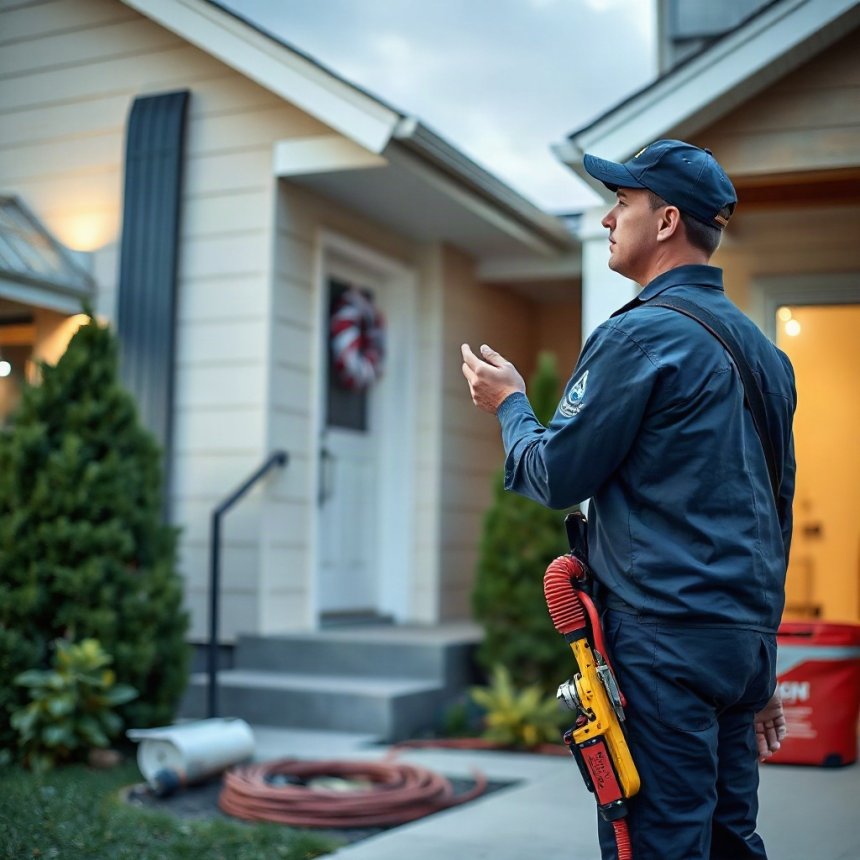
Immediate Actions When a Plumbing Emergency Strikes
When a sudden plumbing failure occurs—whether from a burst frozen pipe during a severe Wisconsin winter freeze, a failing water heater tank, or an overflowing supply line—every minute counts. Water moves rapidly through building materials, soaking into subfloors, drywall, insulation, and framing. Controlling the situation requires immediate, decisive action before attempting to assess the full scale of the repair.
The very first step in any major water incident is shutting off the water supply. Knowing the location of your main water shut-off valve can prevent hundreds of gallons of water from compounding the disaster. In many homes throughout Oak Creek and surrounding southeastern Wisconsin, this valve is typically located where the municipal water service enters the basement or crawl space, often near the front foundation wall close to the water meter. For localized emergencies, such as a severe toilet overflow or a ruptured supply line beneath a sink, closing the dedicated angle stop valve directly beneath the fixture is much faster.
Prioritizing Personal Safety
Water and electricity create an immediate electrocution hazard. Before stepping into standing water to salvage belongings or inspect damage, evaluate electrical safety:
- Never walk into standing water if electrical outlets, extension cords, or plugged-in appliances are submerged.
- If water is near your main electrical panel or fuse box, do not attempt to reach it. Professional assistance or utility intervention may be required to cut power safely.
- If heating systems, boilers, or water heaters are sitting in standing water, avoid touching them until the utility or a qualified technician confirms it is safe.
Stopping the Flow and Stabilizing the Environment
Once the water source is isolated and safety is verified, your focus must shift from stopping the flood to slowing down the absorption process. Water does not merely sit on the surface; porous materials act like sponges, pulling moisture upward and outward via capillary action.
Relieving Pressure and Draining Lines
If the emergency involved a frozen supply line that burst, shutting off the main valve is critical, but residual water trapped between closed valves can still escape as ice thaws. Opening lowest-level faucets and exterior hose bibs can help drain remaining water out of the system in a controlled manner, reducing the volume discharged into wall cavities or ceilings.
Managing Active Leaks and Pooling Water
Begin moving valuable personal property, electronics, wood furniture, and documents out of wet zones immediately. Elevating furniture legs using aluminum foil squares or plastic blocks prevents wood stains from bleeding into wet carpeting. For active pooling, use buckets, mops, and wet-dry vacuums if available and electrically safe to operate.
Understanding the Hidden Spread of Moisture
One of the most common mistakes homeowners make is assuming that once the visible puddles are cleared, the crisis is resolved. Water travels along paths of least resistance, frequently hiding behind baseboards, beneath flooring underlayment, and inside wall cavities.
Why Visible Puddles Are Only Part of the Problem
Gravity pulls water downward, but building materials pull it sideways. Drywall absorbs moisture vertically, causing it to swell, crumble, and lose structural integrity hours after the initial event. Hardwood flooring can cup, buckle, and warp as individual planks absorb moisture unevenly. Subflooring, particularly oriented strand board (OSB) or plywood common in modern construction, can retain trapped water for weeks, creating an ideal environment for mold colonies and wood rot.
Inspecting Below Grade and Basement Areas
In regions with frequent freeze-thaw cycles or high seasonal water tables like southeastern Wisconsin, basements and below-grade living spaces are especially vulnerable. If a water heater ruptures or a main drain backs up in a finished basement, water quickly saturates wall insulation behind finished paneling or drywall. Without active mechanical drying, trapped moisture remains hidden for weeks, resulting in musty odors and compromised indoor air quality.
Safe Homeowner Drying Techniques Versus Professional Mitigation
Homeowners can safely handle surface water extraction and basic airflow manipulation, but deep structural drying requires specialized equipment and technical monitoring.
What You Can Safely Do
What Requires Specialized Intervention
Commercial-grade structural drying goes far beyond blowing air across a room. Professional water mitigation involves moisture meters and thermal imaging cameras to map invisible moisture pockets behind walls and beneath floors. Industrial low-grain refrigerant (LGR) dehumidifiers pull moisture directly out of building materials, while high-velocity air movers force warm air into tight cavities. Attempting to dry a heavily saturated subfloor or wall insulation with ordinary household fans almost always leaves hidden moisture behind, leading to structural degradation and microbial growth.
Cost Factors in Water Damage Restoration
When professional mitigation or repair becomes necessary, costs vary considerably based on several distinct factors rather than a flat service fee:
- Category and Class of Water: Clean water from a supply line is less complex to handle than gray water from a dishwasher or black water from a sewer backup, which requires strict sanitization and material disposal protocols.
- Extent of Saturation: The square footage affected and whether moisture has migrated into multi-level wall cavities, subfloors, or HVAC ductwork.
- Material Demolition and Reconstruction: Whether baseboards, drywall sections, insulation, flooring, or cabinetry must be removed to achieve proper structural drying.
- Access and Configuration: Tight crawl spaces, finished basements, or multi-family building layouts can complicate equipment placement and debris removal.
- Emergency Timing: After-hours or holiday response times often involve distinct dispatch structures due to immediate labor mobilization requirements.
Frequently Asked Questions
Should I turn off my electricity if a pipe bursts in my home?
Yes, if water is actively flowing near electrical panels, outlets, switches, or plugged-in appliances, turn off power at the main breaker panel immediately, provided you can reach it without stepping in water. If the panel itself is wet or unsafe to access, contact your electric utility or a qualified professional right away.
How long does it take for hidden water damage to cause mold growth?
Under favorable temperature conditions, mold spores can begin germinating and colonizing within 24 to 48 hours of a water event. This is why rapid extraction and aggressive drying of wall cavities, subfloors, and insulation are critical after any plumbing emergency.
Can I just use a regular household fan to dry out soaked carpet?
Household fans help evaporate surface moisture, but they cannot pull trapped water out of heavy carpet backing, thick padding, and subflooring. Without professional extraction units and specialized dehumidification, moisture remains trapped underneath, leading to delamination, persistent odors, and carpet pad breakdown.
Why is water still dripping from a pipe even after I closed the main shut-off valve?
When the main valve is closed, any water already trapped in the upper piping network remains suspended by gravity and vacuum pressure. Opening a lower-level faucet or outdoor hose bib allows this remaining water to drain out safely rather than continuing to empty through a broken joint or crack.
Who is responsible for water damage in a condominium or multi-family building?
Responsibility depends on the source of the leak and the governing documents of the association or lease agreement. If a private supply line inside your unit failed, you or your insurance policy may be responsible for unit repairs, whereas a failure in a shared common-element stack or building main often falls under association responsibility. Always check your specific bylaws, HOA guidelines, or lease terms.
When should I call a professional water mitigation company instead of handling it myself?
Professional mitigation is recommended whenever water has saturated structural framing, wall insulation, hardwood flooring, or electrical components, or if the water source originated from a sewage backup. Professional drying equipment ensures moisture is eliminated from hidden cavities where DIY methods cannot reach.