How to Troubleshoot Common Plumbing Problems at Home
Learn how to safely troubleshoot common plumbing problems at home. Discover diagnostic clues, safe homeowner checks, and when to call a professional.

Understanding Home Plumbing Diagnostics
When a plumbing issue arises in a home, the immediate instinct is often to panic or call a professional service right away. However, many common household plumbing glitches present distinct diagnostic clues that can help you understand what is actually going wrong. Whether you reside in a mid-century home in Oak Creek, Wisconsin, or a newer multi-family property, plumbing systems rely on basic principles of water supply, gravity drainage, and air venting. Knowing how to systematically troubleshoot these issues can save you time, prevent unnecessary property damage, and help you communicate more effectively with a qualified local plumber if professional assistance becomes necessary.
Effective troubleshooting is not about attempting complex, high-risk repairs yourself. Instead, it is an investigative process. By observing how fixtures behave, noticing where water appears or disappears, and understanding the interconnected nature of your pipes, you can often isolate whether a problem is isolated to a single fixture, a branch line, or your main drainage and supply network.
Symptom Isolation: Single Fixture Versus Whole-House Issues
The single most important step in troubleshooting any plumbing problem is determining its scope. Does the issue affect only one location, or is it happening throughout the building?
- Single-Fixture Problems: If a single sink drains slowly, a single toilet fails to flush properly, or one faucet has low water pressure, the root cause is almost always localized to that specific fixture, its immediate supply line, or its dedicated trap.
- Multi-Fixture or Whole-House Problems: If multiple drains back up simultaneously when you run water elsewhere, or if water pressure drops across every faucet in the house, the problem likely originates in your main service lines, main drain stack, or municipal supply connection.
Recognizing this distinction keeps you from wasting time pouring drain cleaner down a kitchen sink when the actual blockage is located much farther downstream in the main sewer line.
Troubleshooting Slow Drains and Minor Clogs
Slow-draining sinks and showers are among the most frequent household plumbing annoyances. Before grabbing a chemical drain opener—which can damage older pipes, degrade rubber seals, and splash dangerously—take a structured approach to diagnosing the restriction.
The P-Trap and Stopper Check
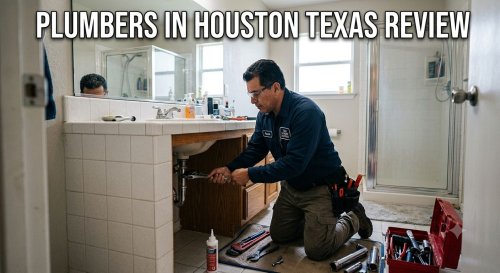
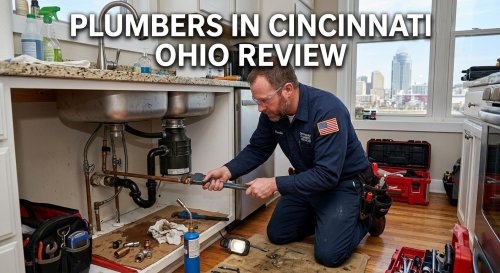
In bathroom sinks, the most common culprit is hair and soap scum caught around the mechanical pop-up stopper mechanism. Simply unscrewing or lifting out the stopper often reveals a clump of debris that can be removed by hand. If the water still drains slowly, the issue may lie within the P-trap—the curved section of pipe beneath the sink. Placing a bucket underneath, loosening the slip nuts, and inspecting the trap interior is a manageable task for most homeowners, provided the plumbing is modern PVC or brass rather than heavily corroded older metal.
Interpreting Gurgling Sounds
If your sink or shower drain makes a gurgling sound when water drains, or when another plumbing fixture is used nearby, pay close attention. Gurgling indicates that air is being trapped and forced through standing water because the plumbing vent system is not allowing air to enter freely. A blocked vent stack on the roof—often caused by leaves, debris, or, in Wisconsin winters, heavy ice accumulation—can depressurize your drainage system and severely slow down water flow.
Investigating Running and Intermittent Toilets
A running toilet is more than an irritating sound; it can waste hundreds of gallons of water a day, driving up utility bills without your knowledge. To troubleshoot a running toilet, remove the tank lid and observe the internal components.
- Flapper Alignment and Wear: Over time, the rubber flapper at the bottom of the tank degrades, warps, or collects mineral buildup, preventing a watertight seal. If the water level in the tank continuously drops and refills on its own without anyone flushing, the flapper is the prime suspect.
- Fill Valve and Float Height: If water is spilling continuously into the overflow tube, the fill valve float is set too high, or the fill valve itself is failing to shut off when the water reaches the proper level. Gently adjusting the float or replacing a worn-out fill valve assembly typically resolves this.
A helpful diagnostic tip: placing a few drops of food coloring into the toilet tank and waiting ten minutes without flushing can reveal a hidden leak. If colored water seeps into the bowl, your flapper is leaking past its seal.
Decoding Water Pressure Fluctuations
Water pressure issues can be frustrating, but the symptoms tell a precise story about where the restriction lies.
If you notice low water pressure at a single kitchen or bathroom faucet, unscrew the aerator tip at the end of the spout. Hard water minerals, sediment, and pipe scale frequently accumulate inside this tiny screen, choking off water flow. Soaking the aerator in a mild descaling solution often restores full pressure instantly.
However, if low pressure affects hot water only, the issue is likely tied to your water heater—such as a partially closed supply valve, sediment accumulation in the tank, or a failing dip tube—rather than the main water supply.
Safe Homeowner Checks Versus Professional Limits
It is vital to know your boundaries when troubleshooting home plumbing systems. While visual inspections, aerator cleanings, flapper adjustments, and basic plunger use are safe for most homeowners, certain conditions require immediate professional intervention.
Never attempt to force rigid snakes or augers deep into complex plumbing lines if you encounter hard, unyielding resistance, as you could puncture older or fragile pipe walls. Never tamper with main gas lines feeding water heaters, and avoid attempting major repairs on pressurized main supply lines without proper shut-off valves in working order.
Furthermore, if you suspect a hidden water leak behind a wall, beneath a concrete slab, or along an underground sewer line, professional diagnostic tools—such as electronic leak detection equipment, thermal imaging, and sewer video cameras—are required to pinpoint the exact location without destructive guesswork.
Understanding Repair Variables and Cost Factors
When a plumbing problem requires professional repair, costs can vary significantly based on several practical factors rather than arbitrary pricing. Understanding these variables helps property owners evaluate service estimates realistically:
- Accessibility: A leaky pipe exposed in an open basement ceiling is far quicker and less expensive to repair than a pipe buried beneath a finished basement floor, encased inside a concrete slab, or hidden behind tiled bathroom walls.
- Materials and Age: Older homes featuring aging galvanized steel, cast iron, or polybutylene piping often require specialized fittings, transitions, or partial repiping rather than a simple patch, increasing labor time and material complexity.
- Urgency and Timing: Emergency middle-of-the-night repairs or urgent weekend responses during freezing winter weather involve different scheduling logistics than routine weekday maintenance appointments.
- Diagnostic Scope: Complex intermittent issues may require specialized testing, pressure checks, or camera inspections to ensure the root cause is addressed rather than just the visible symptom.
Frequently Asked Questions
Why does my sink drain start draining slowly again shortly after I plunge it?
Plunging only breaks up or temporarily pushes past a localized blockage. If grease, heavy hair buildup, or structural pipe sagging exists further down the line, the clog will quickly reform. Recurring slow drains usually indicate a deeper restriction that requires professional clearing.
Can a dripping faucet cause a noticeable increase in my water bill?
Yes. Even a slow drip can waste hundreds of gallons over the course of a month. The constant loss adds up quietly on utility statements, making prompt washer or cartridge replacement worthwhile.
What does it mean if my toilet bubbles when the bathtub drains?
Bubbling or gurgling in a toilet when another fixture empties is a classic sign of a partial blockage in the main drain line or a compromised vent. Wastewater is displacing air in the pipes, forcing bubbles up through the toilet trap.
How can I tell if low water pressure is a municipal issue or internal?
Check multiple hose bibs and indoor faucets across different levels of the home. If pressure is low everywhere, the issue may involve your main pressure-reducing valve or municipal supply. If it affects only one fixture, the problem is internal and localized.
Is it safe to use chemical drain cleaners on recurring clogs?
Chemical drain cleaners are generally discouraged for stubborn or recurring clogs. They rely on harsh exothermic reactions that can overheat and warp plastic pipes, ruin metal finishes, and fail to remove solid obstructions like root intrusion or structural scale.
What should I check first if my water heater produces lukewarm water?
First, verify if you have an electric or gas unit. For electric models, a tripped circuit breaker or a failed upper heating element is common. For gas models, check if the pilot light is lit or if the thermocouple is functioning properly before calling for service.