Plumbing Inspection Checklist for Older Homes & Properties
Discover which vital plumbing components in an older house need inspection. Learn to spot aging pipes, hidden leaks, and failing fixtures before they fail.

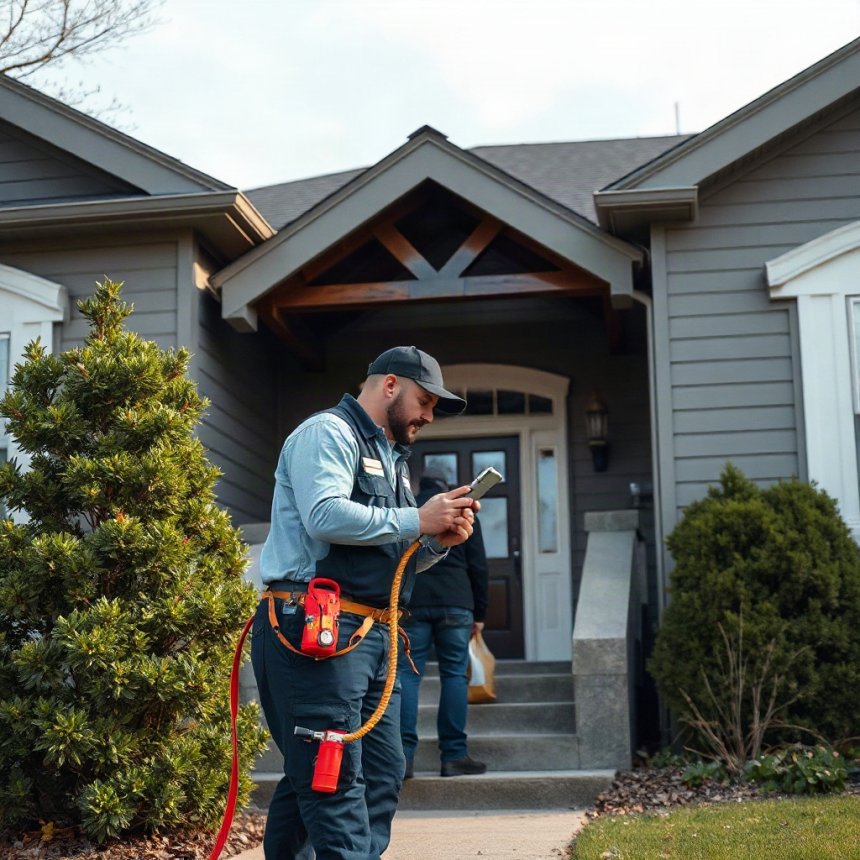
Evaluating the Plumbing Infrastructure of an Aging Property
Purchasing, maintaining, or renovating an older home brings a unique set of mechanical challenges. While vintage architectural details often add character, the hidden network of supply pipes, drain lines, fixtures, and valves behind the walls and beneath the floors may be nearing or past its expected service life. Plumbing materials degrade differently depending on water chemistry, soil conditions, and past maintenance history. Understanding which specific plumbing components require close evaluation can prevent catastrophic water damage, unexpected utility bills, and costly emergency repairs.
In historic and mid-century properties across southeastern Wisconsin, plumbing systems have often undergone piecemeal repairs over decades. A meticulous evaluation requires looking past cosmetic updates to inspect the physical condition, material composition, and operational integrity of the entire system.
1. Supply Pipe Materials and Internal Corrosion
The pipes delivering fresh water throughout an older home dictate water pressure, water quality, and structural reliability. Older properties frequently feature pipe materials that are no longer used in modern construction:
- Galvanized Steel: Common in homes built before the mid-1960s, galvanized steel pipes suffer from internal mineral buildup and rust over decades. As the interior diameter narrows, water pressure drops significantly. Eventually, rust breaches the pipe wall, leading to pinhole leaks.
- Cast Iron: Frequently found in older supply lines or main drain stacks, cast iron is durable but susceptible to internal scaling and external oxidation, especially in damp basements or crawl spaces.
- Early-Generation Plastics: Older polybutylene supply piping, popular during certain decades, is notoriously prone to brittle failure and sudden joint ruptures.
Professional Insight: A visual inspection of exposed piping in the basement or utility room can reveal rust discoloration around threaded joints or sagging runs, but internal corrosion in galvanized lines is often invisible until a complete blockage or rupture occurs.
2. Main Water Shut-Off Valve and Pressure Regulators
Every home needs a reliable main water shut-off valve to stop incoming water during an emergency. In older houses, these valves are frequently gate valves made of brass or iron. Over many years without operation, these valves can seize up, strip their internal stems, or leak around the packing nut when forced.
Furthermore, many older homes lack a functional pressure reducing valve (PRV). If municipal water supply pressure fluctuates or runs excessively high, aging joints, fixtures, and older supply lines experience severe, continuous stress. Checking whether the property has a PRV—and testing its output pressure—is essential for protecting fragile vintage plumbing.
3. Drain, Waste, and Vent (DWV) Systems
Drainage issues in older houses rarely stem from a simple localized clog; they often reflect systemic aging of the drainage network. Key components to inspect include:
- Drain Pipe Material: Transition points where old cast iron connects to newer PVC or ABS plastic are frequent trouble spots for cracking, root infiltration, or sealing failures.
- Venting Functionality: Older homes relied on different venting configurations, and roof vent stacks can become blocked by debris, rust, or animal nests. Inadequate venting causes slow draining, gurgling fixtures, and siphonage that empties sink traps, allowing sewer gases to enter living spaces.
- Sewer Line Integrity: Aging clay, cast iron, or Orangeburg sewer pipes running from the foundation to the municipal main can settle, crack, or suffer structural collapse over time.
4. Water Heaters and Thermal Expansion Systems
Water heaters in older properties must be evaluated for age, capacity, and safety compliance. A standard tank water heater has a typical lifespan of 8 to 12 years. Older units often accumulate heavy sediment layers at the bottom of the tank, reducing heating efficiency and causing localized overheating of the steel shell.
Additionally, modern plumbing codes often require a thermal expansion tank in closed-loop systems to absorb pressure spikes caused by water heating. Older installations frequently lack this component, placing continuous strain on the water heater tank and household fixtures.
5. Fixtures, Stops, and Supply Connectors
Visible fixtures tell only part of the story. Beneath sinks and behind toilets, angle stop valves and flexible supply lines demand careful scrutiny:
- Old Stop Valves: Multi-turn angle stops that have not been turned in decades will often leak around the valve stem the moment they are manipulated during a repair.
- Braided Stainless Steel vs. Older Lines: Rigid copper or flexible rubber supply lines connecting walls to faucets and toilets degrade over time. Unreinforced rubber hoses are particularly vulnerable to sudden splitting and catastrophic flooding.
- Floor Flanges and Toilets: In older bathrooms, settling can crack the toilet floor flange or rot the subfloor around the base, leading to hidden leaks every time the toilet is flushed.
6. Environmental Exposure and Winter Vulnerabilities
In regions experiencing harsh winters, such as southeastern Wisconsin, the placement of plumbing components relative to building insulation is critical. Older homes frequently have water supply lines running through exterior walls, unheated crawl spaces, or poorly insulated rim joists in basements. Hose bibs (outdoor spigots) that lack frost-free designs or interior shut-off valves are exceptionally vulnerable to freezing and splitting during sub-zero weather spells.
When to Seek Professional Evaluation
While homeowners can safely inspect exposed basement piping, test visible valves, and check for slow drains or damp spots, a comprehensive assessment of an older plumbing system often requires specialized diagnostic tools. A professional plumber can perform a sewer camera inspection to evaluate underground drain pipes, conduct pressure tests to identify hidden supply-side leaks, and assess whether outdated materials pose an immediate risk of failure.
Frequently Asked Questions
How can I tell what material my home's water supply pipes are made of?
Begin by inspecting exposed pipes in the basement, utility room, or under sinks. Galvanized steel is dull gray, magnetic, and often shows rust at threaded connections. Copper is rigid, shiny reddish-brown (or greenish if oxidized), and non-magnetic. PEX is flexible plastic (usually red, blue, or white), while PVC is rigid white or gray plastic.
Are galvanized steel pipes safe to keep in an older house?
While existing galvanized pipes may still deliver water, they heavily restrict flow due to internal rust accumulation and carry a high long-term risk of internal pinhole leaks. Many homeowners eventually choose to repipe with modern materials like copper or PEX to restore proper water pressure and eliminate rust risks.
Why do older home drains gurgle when other fixtures are used?
Gurgling usually indicates a venting problem or a partial blockage in the drain-waste-vent system. When water rushes down a stack, it pulls air behind it. If the roof vent is blocked or if improper venting was installed during an older remodel, the system pulls air through sink or tub traps, creating a gurgling sound and sewer gas odors.
Is low water pressure normal in an older house?
Low water pressure is common in older homes, but it is not normal or permanent. It is typically caused by heavy mineral and rust scale narrowing the internal diameter of galvanized supply pipes, a failing pressure regulator, or partially closed shut-off valves. A diagnostic pressure test can isolate whether the restriction is localized or affects the entire property.
What should I check before buying or moving into an older property?
Prioritize checking the age and condition of the main water shut-off valve, the water heater, the main sewer line via camera inspection, and the visible supply and drain pipe materials. Knowing the condition of these major components helps you budget for necessary repairs or replacements before plumbing failures occur.