How to Fix a Running Toilet: Easy DIY Steps
Learn how to fix a running toilet with expert DIY steps from Tims Plumbing HVAC in Milwaukee, WI. Stop wasting water today.
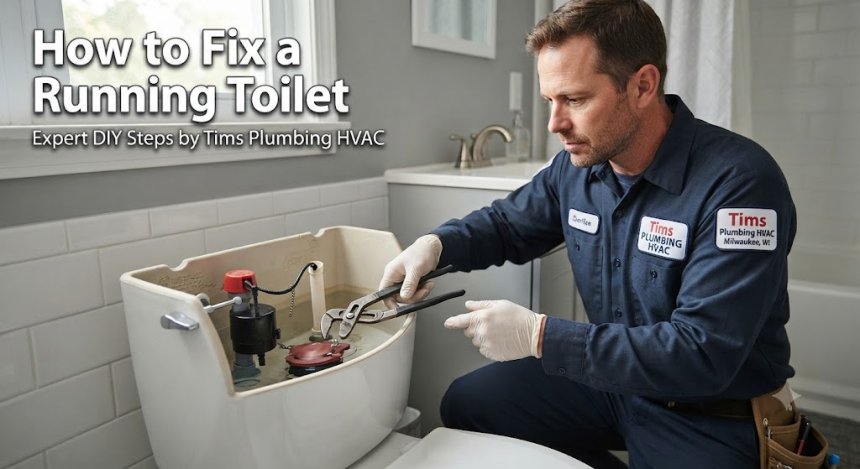
How to Fix a Running Toilet: Easy DIY Steps for Homeowners
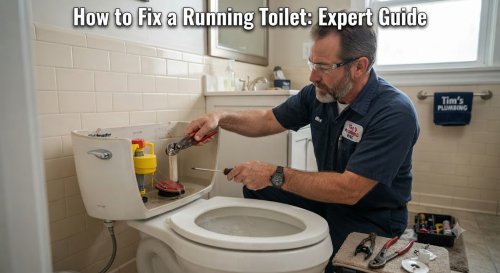
Hearing water constantly trickling in your bathroom is more than just an annoyance—it's a massive waste of water that can drive up your utility bills in Milwaukee, WI. How to fix a running toilet is one of the most common searches for homeowners dealing with unexpected water waste, often triggered by a worn-out flapper or an improperly adjusted fill valve. When a toilet refuses to stop running, thousands of gallons of water can slip down the drain unnoticed every single month. Ignoring this issue wastes precious resources and stresses your municipal water connection. At Tims Plumbing HVAC, our local plumbing experts help families across Milwaukee, Wauwatosa, West Allis, and Brookfield tackle these frustrating plumbing headaches before they turn into costly water damage or require a complete toilet replacement.
What Is a Running Toilet?
A running toilet is a plumbing malfunction where water flows continuously from the tank into the bowl without the toilet being flushed.
-
Definition: A continuous cycle where the water level in the tank fails to reach equilibrium, forcing the fill valve to keep running.
-
Common Situations: You hear water constantly trickling, or you notice the fill valve kicking on automatically every few minutes when no one is in the bathroom.
-
Symptoms: Ghost flushing, higher-than-normal water bills, a constantly wet bowl surface, and jiggling the handle to make it stop.
-
Real-World Example: Imagine waking up in the middle of the night in your Bay View home to the sound of a rushing stream, only to find your powder room toilet tank perpetually refilling itself because the internal seal has disintegrated.
Why Does This Plumbing Problem Happen?
Toilet mechanisms endure thousands of cycles, leading to mechanical failure over time. Understanding the root causes helps you determine whether a quick fix will work or if a licensed plumber is needed.
-
Worn Flapper: Rubber flappers degrade, warp, or accumulate mineral buildup from hard water, preventing a tight seal over the flush valve opening.
-
Improper Chain Length: If the flapper chain is too tight, the flapper stays slightly open; if it is too loose, it gets caught under the seal.
-
Faulty Fill Valve: Age or sediment buildup can cause float mechanisms to stick, keeping the water running past the overflow tube.
-
Water Pressure Issues: Milwaukee homes with excessively high municipal water pressure can overpower older toilet inlet valves.
-
Corrosion and Sediment: Hard water mineral scaling prevents internal components from moving freely and seating correctly.
Signs You Should Never Ignore
Failing to address a running toilet early on can lead to much larger problems.
-
Spiking Water Bills: An unnoticed running toilet can waste up to 200 gallons of water a day, doubling your monthly water utility charge.
-
Phantom Flushes: If your toilet flushes on its own, water is slowly leaking from the tank, signaling a failing flapper.
-
Corroded Tank Bolts: Constant running and splashing inside the tank accelerate rust on mounting hardware, risking sudden tank failure and major bathroom flooding.
-
Mold and Mildew Growth: Persistent dampness around the base or unusual bathroom humidity fosters mold development.
Common Plumbing Problems Related to This Issue
A running toilet is often part of a broader home plumbing ecosystem failure.
-
Stuck or Broken Flush Handles: Constantly jiggling the handle to stop the running water weakens and snaps the internal lever.
-
Worn Wax Rings: Water splashing out or elevated humidity around the base can compromise the floor seal, leading to subfloor rot.
-
Main Water Valve Leaks: Shutting off the toilet supply valve during repairs can expose old, corroded shut-off valves that fail to seal completely.
-
Sewer Line Backup Pressures: In rare cases, venting issues can affect internal plumbing behavior, though internal tank issues are the primary culprit.
Can You Fix It Yourself?
Many toilet repairs are DIY-friendly, but knowing your limits prevents accidental property damage.
-
Safe DIY Steps: Replacing a worn rubber flapper, adjusting the chain slack, or bending a float arm down to lower the water level.
-
Temporary Fixes: Turning off the wall shut-off valve between uses to stop water waste until replacement parts are purchased.
-
When DIY Becomes Dangerous: Attempting to force rusted, corroded supply lines or cracking fragile porcelain tank bases by over-tightening bolts.
-
When to Call a Professional: If replacing the flapper and fill valve does not stop the running, or if you notice structural leaks around the toilet base.
Step-by-Step Professional Repair Process
When you call Tims Plumbing HVAC, our licensed technicians follow a precise diagnostic and repair protocol.
-
Step 1 Inspection: We evaluate the entire toilet assembly, checking the tank, bowl, supply line, and flange.
-
Step 2 Diagnosis: We identify whether the issue stems from a faulty flapper, misadjusted fill valve, or flush lever binding.
-
Step 3 Estimate: We provide an upfront, transparent cost estimate before starting any work.
-
Step 4 Repair: We replace defective parts using commercial-grade, durable plumbing components.
-
Step 5 Testing: We run multiple test flushes to ensure proper water fill levels and complete shut-off.
-
Step 6 Cleanup: We wipe down the work area and haul away old, discarded parts.
-
Step 7 Maintenance Advice: We offer tailored tips to prevent future running issues.
Tools Professionals Use
Professional plumbers rely on specialized gear to ensure precision repairs.
-
Basin Wrenches: Designed to reach tight spaces beneath the toilet tank and sink fixtures securely.
-
Pressure Testing Gauges: Used to check home water pressure and ensure valves aren't failing due to high PSI.
-
Multipurpose Plumbers Pliers: Prevent scratching or cracking porcelain while tightening locknuts.
-
Inspection Mirrors: Help check hidden seals and underside tank bolts without damaging hardware.
How Long Does the Repair Usually Take?
-
Simple Flapper Replacement: 15 to 30 minutes.
-
Fill Valve Replacement: 30 to 45 minutes.
-
Complete Toilet Replacement: 1 to 2 hours if supply lines and floor flanges are in good condition.
-
Factors Affecting Time: Severe corrosion on shut-off valves, difficult-to-reach spaces, or damaged floor flanges can extend repair times.
Cost Factors
Plumbing repair costs vary depending on the severity of the problem, accessibility, materials required, emergency service, property type, and local labor rates.
-
Diagnostic Fees: Standard travel and troubleshooting investment.
-
Parts and Materials: Quality universal flappers versus specialized proprietary flush systems.
-
Labor Rates: Time required to safely complete the service.
-
Emergency Dispatch: After-hours or weekend service call-outs.
Hidden Truths Homeowners Should Know
-
Small Leaks Add Up: A running toilet wastes thousands of gallons yearly, turning a cheap fix into a massive utility bill.
-
Cheap Parts Fail Faster: Generic, low-quality rubber flappers warp quickly in hard water environments.
-
Neglected Fixtures Cause Floods: Rusted tank bolts can snap unexpectedly, flooding your bathroom.
-
Hard Water is Relentless: Milwaukee's mineral-rich water accelerates wear on all internal rubber and plastic seals.
15 Common Mistakes Homeowners Make
-
Ignoring initial running sounds until utility bills arrive.
-
Using harsh chemical drop-in tablets that degrade rubber flappers prematurely.
-
Over-tightening tank bolts and cracking fragile porcelain.
-
Forgetting to turn off the water supply before opening the tank.
-
Forcing rusted shut-off valves and causing supply line leaks.
-
Adjusting flapper chains too tight, leaving the seal open.
-
Using universal parts that do not fit specialized toilet models.
-
Bending flush levers incorrectly.
-
Ignoring slow bathroom leaks around the toilet base.
-
Delaying repairs until an emergency arises on a holiday weekend.
-
Hiring unlicensed handymen for complex plumbing work.
-
Skipping annual plumbing inspections.
-
Forcing broken handles instead of replacing internal mechanisms.
-
Over-relying on temporary fixes indefinitely.
-
Disposing of packaging or old hardware down the bowl.
Maintenance Tips
-
Inspect Annually: Check the tank components once a year for signs of wear or mineral buildup.
-
Avoid Chemical Cleaners: Skip harsh drop-in tank bleach tablets that rot rubber seals.
-
Test the Shut-Off: Periodically turn the water supply valve off and on to keep it from seizing.
-
Clear the Rim Jets: Keep mineral deposits cleared from bowl holes for a powerful flush.
-
Watch Your Bill: Monitor monthly water statements for unexpected usage spikes.
When Should You Call an Emergency Plumber?
-
Overflowing Toilets: Water pouring continuously onto bathroom floors.
-
Burst Supply Lines: A snapped supply hose spraying water under pressure.
-
Total Water Shut-Off Failure: Inability to stop a running toilet because the wall valve is broken.
-
Sewer Backups: Toilets bubbling or failing to drain alongside other home fixtures.
Frequently Asked Questions
-
Why is my water pressure suddenly low? Low pressure can stem from a partially closed main valve, clogged aerators, or municipal supply issues in your neighborhood.
-
How much does leak detection cost? Costs vary based on the complexity and location of the hidden leak within your property.
-
Can a clogged drain damage pipes? Yes, pressure buildup and chemical drain cleaners can weaken and crack older pipe networks over time.
-
Is hydro jetting safe for old pipes? An experienced plumber must inspect pipe integrity first, as high pressure can damage fragile or compromised lines.
-
How do I know if my sewer line is broken? Common signs include multiple backed-up drains, gurgling toilets, and soggy patches in your yard.
-
How long do water heaters last? Standard tank water heaters typically last between 8 to 12 years with proper maintenance.
-
Why does my faucet drip? Dripping faucets are usually caused by worn-out washers, O-rings, or internal cartridge wear.
-
What causes pipes to burst? Freezing temperatures, excessive water pressure, and severe pipe corrosion are primary culprits.
-
Can plumbing leaks increase my water bill? Even a minor, unaddressed leak can waste significant water and drastically increase utility costs.
-
When should I replace plumbing instead of repairing it? Frequent breakdowns, extensive corrosion, and aging pipe materials signal that replacement is more cost-effective.