Common Bathroom Plumbing Problems in Wisconsin Homes
Explore common bathroom plumbing issues in Wisconsin homes, from seasonal freezing risks to slow drains, and learn how to diagnose and address them safely.

Diagnosing Bathroom Plumbing Issues in Wisconsin Homes
Bathrooms deal with more daily water volume and fixture usage than almost any other space in a residential property. When a plumbing failure occurs in a bathroom, it often disrupts daily routines quickly. In Wisconsin homes, bathroom plumbing systems face distinct environmental and seasonal pressures, ranging from sub-zero winter temperatures that impact exterior walls to fluctuating moisture levels across changing seasons.
Understanding what may be happening behind the walls, underneath the floor, or inside your fixtures helps separate minor maintenance tasks from urgent repair needs. Recognizing early warning signs can prevent localized water damage from turning into major structural repairs.
Slow Drains and Recurring Blockages
One of the most frequent bathroom complaints involves sinks, bathtubs, or showers that drain sluggishly. In many cases, homeowners assume a slow drain is simply caused by surface hair and soap scum buildup right at the stopper. While surface debris plays a major role, recurring clogs often point to issues deeper within the branch drain or trap.
What Clues Matter
Pay attention to how many fixtures are affected. If only the bathroom sink drains slowly, the restriction is usually isolated to that specific pop-up assembly or P-trap underneath. However, if the bathroom sink, shower, and toilet all exhibit sluggish drainage or gurgling sounds at the same time, the problem likely resides further downstream in the main branch line or the vent stack.
Safe Homeowner Checks
- Inspect the pop-up stopper or sink drain basket for visible hair clumps and debris that can be pulled out manually.
- Check whether running the bathroom exhaust fan clears out heavy humidity that might indicate a sluggish or blocked roof vent interfering with proper drainage airflow.
- Note whether plunging provides temporary relief or if the clog returns immediately, which suggests the obstruction is being pushed around rather than cleared.
Chemical drain cleaners are often marketed as a quick fix for stubborn clogs, but harsh chemical formulas can damage older metal pipes, degrade rubber seals, and create safety hazards if standing water splashes during use. If a mechanical snake or safe hand-clearing does not resolve the restriction, professional diagnostic tools like a drain camera may be required to inspect the pipe interior.
Running and Ghost-Flushing Toilets
A toilet that runs continuously or periodically refills on its own is more than an annoying sound—it is a significant source of wasted water and higher utility bills. Homeowners often blame the flapper immediately, and while a warped or degraded rubber flapper is the most common culprit, it is not the only potential cause.
The Mechanism Behind the Problem
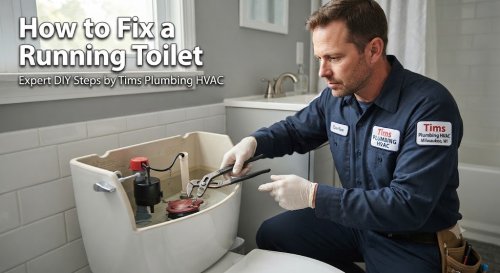
Inside the tank, water level management depends on a delicate balance between the fill valve, the float, and the flush valve seat. If the fill valve float is set too high, water continually spills into the overflow tube. If the flapper chain is too tight, it prevents the flapper from sealing flush against the drain opening. Mineral scale buildup on the plastic or brass flush valve seat can also prevent a tight seal, allowing water to continuously trickle out.
Diagnostic Clues to Check
- Perform a simple dye test by placing a few drops of food coloring into the toilet tank without flushing. If color seeps into the bowl within ten to fifteen minutes without flushing, water is escaping past the flapper.
- Listen closely to determine whether the fill valve shuts off completely once the tank fills or if it continues to hiss and trickle indefinitely.
- Examine the condition of the rubber flapper for stiffness, cracks, or warping caused by water chemistry over time.
Freezing Vulnerability in Exterior Bathroom Walls
Wisconsin winters introduce severe freezing temperatures that place specific demands on residential plumbing layouts. Bathrooms are frequently designed with plumbing supply or drain lines routed through exterior walls to accommodate layout efficiency. When insulation is compressed, missing, or inadequate behind a bathtub or vanity situated against an outside wall, supply pipes become highly vulnerable to freezing.
Understanding the Freezing Mechanism
Pipes do not always freeze instantly when outdoor temperatures drop. Instead, cold air infiltration through small gaps in siding, soffits, or electrical penetrations can chill a localized section of copper or PEX piping. Water supply lines running through unheated crawl spaces beneath a bathroom addition or along exterior-facing floor joists require proper thermal protection.
Warning Signs of Winter Vulnerability
- A sudden drop in water pressure at a bathroom sink or shower when outdoor temperatures plummet.
- Frost visible on interior wall surfaces behind a toilet or vanity during severe cold snaps.
- A complete lack of water flow from a single bathroom fixture while other areas of the home function normally.
If a supply pipe freezes, turning off the main water shutoff valve and preparing for potential pipe failure is critical. Never use open flames or high-heat torches to thaw frozen pipes, as this creates severe fire hazards and can cause steam pressure to rupture weakened pipe joints.
Hidden Leaks Around Tubs, Showers, and Vanities
Bathroom water damage often develops silently behind walls and beneath flooring long before visible symptoms appear on ceilings below. Tub surrounds, shower pans, and tile grout lines experience daily thermal expansion and contraction, which can compromise waterproof membranes and caulk joints.
Why Visible Location Differs from Leak Source
Water always follows the path of least resistance. A ceiling stain directly beneath a second-floor bathroom does not automatically prove that the drain connection directly overhead is leaking. Water may be traveling along subflooring or framing members from a failing shower tile grout line several feet away. Similarly, a slow supply-line drip beneath a vanity cabinet can saturate subflooring without showing moisture on the visible cabinet floor until structural damage has already begun.
What to Inspect Safely
- Check tile grout and caulking around tub rims and shower corners for cracking, crumbling, or separation.
- Inspect vanity supply lines and shutoff valves for mineral crust, green corrosion deposits, or dampness on the threads.
- Test whether bathroom flooring feels soft or spongy near the base of the toilet or shower pan, which indicates prolonged subfloor moisture exposure.
Repair, Maintenance, and Replacement Considerations
When addressing bathroom plumbing issues, repair choices depend heavily on fixture age, material condition, and accessibility. In many older properties throughout the region, bathroom plumbing infrastructure may feature a mix of older galvanized steel pipes, cast-iron drain lines, and more modern copper or plastic piping.
Replacing a worn toilet flapper, clearing a localized sink trap, or re-caulking a tub surround are straightforward maintenance tasks. However, recurring drain backups, widespread pipe corrosion, or hidden slab and subfloor leaks require professional evaluation. When professional repairs become necessary, cost factors typically include labor complexity, accessibility behind finished walls or tiled surfaces, pipe material compatibility, and whether structural components require opening or restoration.
Frequently Asked Questions
Why does my bathroom sink drain keep clogging even after I use a plunger?
A plunger only pushes and pulls localized blockages near the drain opening or trap. If a clog keeps returning, hair, soap scum, and organic buildup are likely clinging further down the branch line where the plunger cannot generate enough force to clear the restriction.
Can a running toilet really increase my water bill significantly?
Yes. A continuously running or trickling toilet can waste hundreds of gallons of water per day. Because the sound is often faint, homeowners frequently do not notice the financial impact until they receive an unusually high municipal utility bill.
What should I do if a bathroom pipe freezes during a severe Wisconsin winter freeze?
Immediately locate and shut off your home main water supply valve to minimize damage if the pipe has cracked. Open the affected bathroom faucets to relieve internal pressure, and safely use gentle heat like a space heater or hairdryer in the room, avoiding open flames entirely.
How can I tell if water damage under my bathroom sink is a supply leak or a drain leak?
Supply line leaks usually show dampness under pressure even when the fixture is not actively draining, often accompanied by mineral buildup on fittings. Drain leaks typically only produce moisture when the sink basin is actively emptied or during heavy use.
Is it normal to hear gurgling sounds in the bathtub when the toilet flushes?
No. Gurgling indicates that air is being pulled through a trap because the plumbing system lacks proper ventilation or a partial drain blockage is restricting airflow, causing pressure imbalances whenever large volumes of water move through the pipes.