Kitchen Faucet Replacement Cost in Milwaukee, WI
Discover kitchen faucet replacement costs in Milwaukee, WI. Learn labor rates, hardware tiers, hidden complications, and tips from tims plumbing hvac.

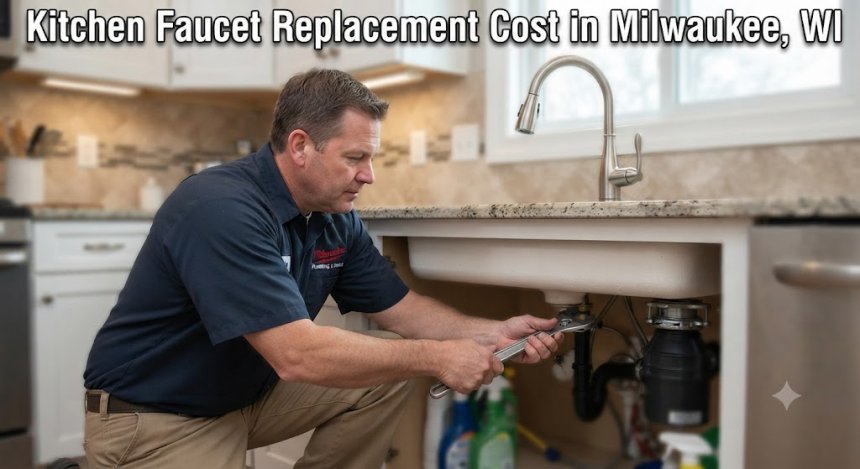
The kitchen faucet is arguably the hardest-working fixture in your entire home. From washing greasy pans after a family dinner to filling pots for weekend soup, it gets used dozens of times a day. But when a kitchen faucet starts leaking steadily from the base, loses its water pressure, or develops a cracked handle, homeowners across Milwaukee County are left facing a common household dilemma: should you repair it, or is it time for a full replacement?
Throughout Milwaukee neighborhoods—from the historic homes on the East Side and Bay View to newer construction in Oak Creek, Franklin, and Greenfield—homeowners frequently search for accurate pricing guides on kitchen plumbing upgrades. Knowing what influences the cost to replace a kitchen faucet helps you budget effectively, avoid unexpected surprises underneath the sink, and choose a professional installation that stands the test of time.
What Is Kitchen Faucet Replacement?
Kitchen faucet replacement involves removing an existing, worn-out, or damaged kitchen faucet assembly and installing a brand-new unit onto your existing sink deck or countertop.
Understanding the Scope
-
Direct Swaps: A straightforward replacement occurs when the new faucet matches the mounting hole configuration of the old one (e.g., swapping a single-hole pull-down faucet for another single-hole model).
-
Complex Retrofits: If you are upgrading from a dated 3-hole bridge faucet to a sleek single-hole modern design, or adding accessories like built-in soap dispensers or instant hot water tanks, additional adjustments or deck plates are required.
In the Greater Milwaukee market, professional labor for a standard faucet installation generally ranges from $150 to $350, while total project costs including a mid-range fixture typically land between $300 and $600. When homeowners notice puddles forming inside their sink base cabinets or mineral buildup choking out their sprayer nozzle, they want clear, honest answers on pricing before scheduling service.
Why Do Kitchen Faucet Replacement Costs Vary?
No two kitchen plumbing setups are completely identical. Several physical and material factors explain why quotes to replace a kitchen faucet can fluctuate across Southeast Wisconsin:
1. Hard Water and Calcified Connections
Southeast Wisconsin is notorious for hard water, which carries high concentrations of dissolved calcium and magnesium. Over years of daily use, hard water minerals bake onto shut-off valves, mounting nuts, and threaded supply lines. Plumbers frequently encounter seized, rusted-down mounting hardware that requires specialized cutting tools to remove safely without cracking porcelain or stainless steel sinks.
2. Accessibility Under the Sink
The physical layout of your base cabinet drastically impacts labor time. Standard open cabinets allow quick access, but custom islands, deep pull-out trash bins, multi-tiered undersink organizer racks, or low-clearance garbage disposals make it difficult to reach the back mounting nut. Extra maneuvering time can slightly increase labor hours.
3. Faucet Style and Technology Tiers
The price of the fixture itself is the largest variable.
-
Basic Standard Faucets ($40 – $150): Simple, reliable two-handle or basic single-handle models suitable for utility sinks or rental properties.
-
Mid-Range Pull-Down/Pull-Out Faucets ($150 – $500): The most popular choice for homeowners, offering ergonomic spray wands, spot-resistant finishes, and flexible hose docking.
-
Premium, Touchless & Smart Faucets ($500 – $1,200+): Advanced motion-sensor or voice-activated fixtures requiring battery packs, AC adapters, and electronic solenoid valves.
4. Code Compliance and Supply Line Condition
Older homes featuring rigid copper supply lines or outdated compression fittings often need new flexible braided stainless steel supply lines to meet current Wisconsin plumbing safety codes and ensure a secure, leak-free connection.
Signs You Should Never Ignore
Putting off a failing kitchen faucet can quickly turn a simple fixture swap into a costly structural repair. Watch out for these warning signs:
-
Persistent Drips Around the Base: Water leaking underneath the counter every time the handle is pulled often rots out cabinet flooring and subfloors.
-
Stiff or Wobbling Handles: A loose handle indicates internal cartridge failure or worn-out mounting brackets that can suddenly snap under pressure.
-
Unexplained High Water Bills: A silent, continuous trickle past internal O-rings wastes hundreds of gallons over a billing cycle.
-
Discolored or Metallic Water: Brown or yellowish water streaming from the spout points to severe internal rust inside aging waterway channels.
-
Musty Odors Under the Sink: A sure sign of hidden moisture, standing water, and fast-growing mold colonies breeding in dark cabinet corners.
-
Loss of Spray Diverter Function: When the sprayer refuses to switch back to the main aerator stream, trapped mineral scale is choking the valve body.
Common Plumbing Problems Related to This Issue
Replacing a kitchen faucet often highlights or coincides with other common kitchen plumbing issues:
-
Leaking Shut-Off Valves: Old multi-turn angle stops under the sink often fail to seal completely when water is shut off for the installation, requiring an upgrade to modern quarter-turn ball valves.
-
Worn Sink Strainers and Baskets: Plumbers frequently find deteriorating putty or cracked rubber gaskets around the main sink drain assembly while working underneath.
-
Garbage Disposal Leaks: Vibrations from removing old hardware can expose cracks in aging garbage disposal bodies or rubber connection boots.
-
Water Supply Line Corrosion: Aging galvanized nipples or brittle polybutylene lines attached to older fixtures demand immediate replacement.
Step-by-Step Professional Repair Process
When you call tims plumbing hvac for a kitchen faucet replacement, our licensed professionals execute a methodical, clean process to ensure flawless operation.
<Sequence>
  <Step title="Water Isolation and Depressurization" subtitle="Preventing accidental spills">
    The plumber locates and shuts off the hot and cold water supply valves beneath your sink, then opens the faucet to drain residual pressure and standing water from the lines.
  </Step>
  <Step title="Safe Removal of Old Hardware" subtitle="Navigating corrosion and tight spaces">
    Using specialized basin wrenches, the technician disconnects supply lines, removes rusted mounting nuts, and lifts out the old faucet assembly without damaging your countertop.
  </Step>
  <Step title="Surface Prep and Cleaning" subtitle="Ensuring a watertight seal">
    The sink mounting deck is thoroughly cleaned to scrape away old plumber's putty, mineral crust, and soap scum, providing a pristine surface for the new gasket.
  </Step>
  <Step title="Precision Installation of New Faucet" subtitle="Secured to manufacturer specs">
    The new faucet and optional deck plates or soap dispensers are aligned, positioned, and securely bolted down from underneath using balanced torque to prevent shifting.
  </Step>
  <Step title="Connecting Supply Lines and Check Valves" subtitle="Upgrading to braided stainless steel">
    New flexible supply lines are threaded to the hot and cold angle stops, and smart or touchless control boxes are mounted securely if applicable.
  </Step>
  <Step title="Pressure Testing and Inspection" subtitle="Verifying zero leaks">
    Water supply valves are slowly reopened, and the system undergoes rigorous pressure testing while the technician checks all upper and lower connections for seepage.
  </Step>
  <Step title="Workspace Cleanup and Operation Tutorial" subtitle="Leaving your kitchen spotless">
    The work area is sanitized, old parts are hauled away, and the homeowner is shown how to operate spray modes, clean aerators, and maintain the new finish.
  </Step>
</Sequence>
Can You Fix It Yourself?
Many handy homeowners consider tackling a kitchen faucet replacement as a weekend DIY project. While swapping a direct-match faucet is certainly manageable for experienced DIYers, several risks exist.
-
Safe DIY Tasks: Replacing a simple drop-in faucet where all mounting nuts are easily accessible, or unscrewing and cleaning a clogged faucet aerator screen.
-
When DIY Becomes Dangerous: Twisting off frozen, corroded brass nuts in tight, blind spots underneath a deep sink can crack porcelain or cast-iron sinks, turning a minor swap into a multi-thousand-dollar kitchen remodel. Over-tightening flexible connectors can also strip threads and cause catastrophic overnight flooding.
-
When Professional Faucet Installation is Necessary: If your project involves drilling an extra mounting hole through granite or quartz countertops, installing complex electronic touchless systems, or replacing rusted-out angle stops that refuse to close completely, hiring a licensed plumber is essential.
Tools Professionals Use
Professional plumbers rely on heavy-duty trade tools to complete installations efficiently and without property damage:
-
Telescoping Basin Wrenches: Specialized long-reach wrenches designed to grip hard-to-reach mounting nuts tucked deep behind sink bowls.
-
Tubing Cutters and Deburring Tools: Used to cleanly cut and prep rigid copper lines when angle stops need replacement.
-
Electronic Leak Detectors and Pressure Gauges: Verify that water pressure entering the fixture falls within safe manufacturer tolerances (ideally below 80 PSI).
-
Professional Torque Wrenches: Prevent over-tightening of fragile composite or plastic threaded fittings under modern designer fixtures.
How Long Does the Faucet Replacement Usually Take?
Project timelines depend on the condition of existing plumbing:
-
Simple Replacement (1 to 1.5 Hours): Straightforward swap where old hardware is unthreaded easily and new supply lines match existing connections.
-
Moderate Replacement (1.5 to 3 Hours): Involves removing stubborn, rusted hardware, replacing corroded angle stop valves, or installing multi-piece bridge faucets.
-
Complex Installations (3 to 5+ Hours): Involves drilling stone countertops, rerouting supply lines, or installing sophisticated smart/touchless fixtures with battery backups and soap dispensers.
Cost Factors: What Drives Faucet Replacement Prices?
Understanding what goes into your final invoice ensures complete transparency:
-
Diagnostic and Service Call Fees: Covering technician dispatch and evaluation of your under-sink configuration.
-
Labor Rates: Professional hourly or flat-rate charges reflecting certified plumbing expertise.
-
Faucet Quality and Tier: Basic builder-grade models vs. high-end touchless or commercial pull-down fixtures.
-
Supporting Materials: New quarter-turn shut-off valves, braided stainless steel supply lines, putty, and mounting stabilization brackets.
-
Accessibility Challenges: Working around deep pull-out drawers, garbage disposals, or cramped undersink spaces.
-
Countertop Modifications: Needing professional stone-cutting or hole-drilling for multi-handle upgrades.
Note: Kitchen faucet replacement costs vary depending on the complexity of the existing plumbing, cabinet accessibility, material quality, emergency dispatching, property type, and local Milwaukee labor rates.
Hidden Truths Homeowners Should Know
-
Small Leaks Rot Subflooring: A slow drip behind the baseplate goes unnoticed inside dark cabinets until mold sets in and wood subfloors rot away.
-
Cheap Faucets Fail Quickly: Big-box store models utilizing internal plastic cartridges wear out within 2 to 3 years, whereas plumbing-grade fixtures feature solid brass valve bodies built for decades of service.
-
Insurance Denies Neglected Damage: Homeowners insurance covers sudden burst events, but typically rejects water damage claims caused by long-term, unaddressed slow leaks.
-
Hard Water Destroys Cartridges: High mineral content in Milwaukee water scores ceramic valve disks prematurely if sediment isn't regularly cleaned from aerators.
-
DIY Mishaps Cost More: Stripping a main sink mount or cracking a quartz countertop during a DIY install quickly eclipses the cost of professional labor.
-
Angle Stops Seize Up: Shut-off valves that haven't been turned in 15 years often snap or fail to seal when closed for a faucet swap.
-
Proper Anchoring Matters: Heavy pull-down faucets flex and wobble on thin stainless steel sinks unless a rigid under-deck stabilizing bracket is installed.
15 Common Mistakes Homeowners Make
-
Forgetting to Shut Off Main Water: Neglecting to turn off angle stops before loosening supply lines, triggering an indoor flood.
-
Buying Faucets That Don't Match Sink Holes: Purchasing a 3-hole bridge faucet when the sink deck only has a single pre-drilled hole.
-
Over-Tightening Mounting Nuts: Snapping plastic mounting studs or cracking porcelain basins by using excessive wrench force.
-
Reusing Old, Brittle Supply Lines: Hooking degraded flexible lines back up to a new faucet, inviting sudden blowouts.
-
Skipping Thread Sealant (Teflon Tape): Failing to wrap threaded pipe nipples correctly, resulting in persistent weeping joints.
-
Ignoring Countertop Clearance Issues: Buying a high-arc gooseneck faucet that hits a raised window sill or backsplash when the handle is pulled back.
-
Using Excess Plumber's Putty on Acrylic Sinks: Staining or damaging specialized sink materials with oil-based putties instead of silicone sealant.
-
Failing to Flush Lines Before Connection: Leaving construction debris or solder bits inside new pipes that immediately clog the new faucet cartridge.
-
Hiring Unlicensed Handymen for Complex Electronic Installs: Risking improper wiring of touchless sensor modules and voiding manufacturer warranties.
-
Choosing Aesthetics Over Practical Reach: Selecting a minimalist designer faucet with a rigid spout that cannot reach all corners of a large double-basin sink.
-
Neglecting Battery Access for Smart Faucets: Tucking battery packs deep behind garbage disposals where changing batteries requires complete disassembly.
-
Forcing Corroded Nuts Without Penetrating Oil: Snapping rusted bolts off old faucet bodies instead of allowing loosening agents to work.
-
Ignoring Local Water Pressure: Installing standard residential faucets without pressure-reducing checks on lines exceeding 80 PSI.
-
Waiting Until Total Failure Occurs: Living with a completely broken kitchen sink faucet for days instead of addressing minor drips early.
-
Failing to Test All Spray Modes Before the Plumber Leaves: Not verifying that pull-down retraction weights move freely without catching on drain pipes or trash bins.
Maintenance Tips for Milwaukee Homeowners
Keep your new kitchen faucet performing at its absolute best with these practical seasonal habits:
-
Spring: Inspect under-sink cabinet storage to ensure cleaning chemicals aren't leaking onto supply lines or causing premature corrosion.
-
Summer: Unscrew and soak your faucet aerator screen in white vinegar for 30 minutes to dissolve hard water mineral buildup.
-
Autumn: Test your under-sink shut-off valves by turning them off and on a quarter-turn to ensure they remain mobile and un-seized.
-
Winter: Keep cabinet doors beneath the sink slightly open during extreme sub-zero cold snaps to allow warm ambient air to circulate around exposed supply lines.
-
Year-Round: Wipe down exterior chrome, matte black, or brushed nickel finishes with a soft microfiber cloth; never use abrasive scouring pads or harsh chemical bleaches that strip protective coatings.
When Should You Call an Emergency Plumber?
While a dripping faucet is rarely an emergency, certain plumbing failures under the sink require immediate professional dispatch:
-
Completely Ripped Supply Line: A high-pressure water line blowing off its fitting, flooding the kitchen floor.
-
Seized Shut-Off Valve Spraying Water: An angle stop valve that breaks off in the open position when touched.
-
Major Sewage Backup in Kitchen Sink: Wastewater bubbling up through the sink drain from a main sewer blockage.
-
Active Ceiling Leaks Below Kitchen: Water pouring through the first-floor ceiling from a second-floor kitchen failure.
Frequently Asked Questions
How much does it cost to replace a kitchen faucet in Milwaukee?
Professional kitchen faucet replacement in the Milwaukee area typically ranges from $300 to $600 total, which includes standard labor ($150–$350) and a quality mid-range fixture.
Should I repair my leaking kitchen faucet or replace it entirely?
If your faucet is more than 8 to 10 years old, features worn-out internal casting, or requires expensive proprietary replacement cartridges, replacement is usually more cost-effective than ongoing repairs.
Do I need a plumbing permit to replace a kitchen faucet in Milwaukee?
In most standard residential replacement cases where you are swapping an existing fixture without altering behind-the-wall supply piping, a municipal permit is not required. Major rerouting may differ.
Can I install any faucet on my existing sink?
Not always. You must match the number of mounting holes on your sink deck (1, 2, 3, or 4 holes) or purchase a sink deck plate (escutcheon) to cover unused holes.
Why does my new pull-down faucet hose keep getting stuck?
Hose snags usually occur when the weighted ball on the pull-down hose catches on low-hanging drain pipes, garbage disposals, or stored items under the sink. Adjusting the weight position resolves this.
How long do kitchen faucets typically last?
A quality plumbing-grade kitchen faucet lasts between 10 to 15 years with regular aerator cleaning and proper cartridge maintenance.
Why is my kitchen faucet making a loud whistling noise?
Whistling or whining noises are usually caused by a partially closed shut-off valve, mineral-clogged aerators, or high home water pressure vibrating against the new valve cartridge.
Are touchless kitchen faucets worth the investment?
Yes, touchless faucets offer great convenience when your hands are covered in raw food preparation, though they require periodic battery changes or AC power stability.
What tools do I need if I want to attempt a DIY faucet swap?
At minimum, you will need a basin wrench, adjustable pliers, flashlights, a bucket, towels, plumber’s putty or silicone, and Teflon tape.
Can a faulty kitchen faucet cause low water pressure?
Yes. Heavy mineral scale accumulation inside the spray head, cartridge, or integrated check valves will severely restrict water flow.
Why Choose Our Plumbing Company
When you partner with tims plumbing hvac in Oak Creek, Milwaukee, and surrounding communities, you receive dedicated expertise backed by real-world craftsmanship:
-
Experienced Licensed Plumbers: Certified professionals who understand local Milwaukee building codes and water conditions.
-
Honest, Transparent Recommendations: Clear explanations of repair vs. replacement options with zero high-pressure tactics.
-
Upfront Estimates: Fixed pricing presented before any wrench turns so you stay in complete control of your budget.
-
Fast Response & Flexible Scheduling: Prompt dispatching when you need quick plumbing repairs.
-
Quality Workmanship: Meticulous attention to detail, protecting your floors and cabinets during every service call.
-
Customer-First Commitment: Friendly, respectful technicians dedicated to treating your home with total care.