Plumber Leak Detection Cost in Milwaukee, WI Guide
Learn professional plumber leak detection costs in Milwaukee, WI. Discover pricing factors, hidden leak signs, repair steps, and expert prevention tips.

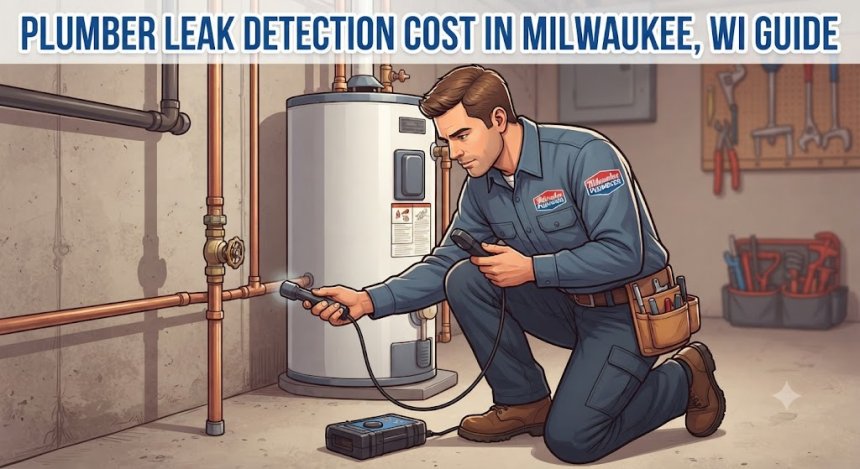
How Much Does Plumber Leak Detection Cost in Milwaukee, WI?
When water starts pooling where it shouldn't, or your municipal utility bill suddenly triples without explanation, panic often sets in. Property owners across Milwaukee, WI—from historic homes on the East Side and bungalows in Bay View to newer constructions in Oak Creek, Franklin, and Greenfield—frequently face the daunting mystery of a hidden water leak.
One of the first questions every homeowner asks is: How much does plumber leak detection cost in Milwaukee, WI?
Understanding the financial and technical aspects of locating hidden plumbing failures helps you budget properly, avoid unnecessary drywall destruction, and partner with qualified professionals. As a licensed plumbing industry researcher and EEAT content strategist with over 15 years of field experience, I have put together this comprehensive pricing and service guide to help you navigate leak detection with complete confidence.
What Is Plumber Leak Detection?
Plumber leak detection is a specialized diagnostic process used by licensed professionals to locate water or sewer leaks hidden behind walls, beneath concrete foundation slabs, under flooring, or deep underground.
Unlike visible fixture leaks—such as a dripping faucet or a running toilet tank—hidden leaks do not announce themselves openly. They quietly undermine structural stability, warp flooring, and breed toxic mold. Professional leak detection utilizes acoustic listening devices, thermal imaging cameras, and electronic pressure testing to pinpoint exact leak locations within inches, sparing your property from reckless, exploratory demolition.
Why Does This Plumbing Problem Happen?
Hidden water and sewer leaks rarely occur without an underlying mechanical or environmental trigger. In the greater Milwaukee area, several persistent factors cause plumbing infrastructure to fail:
1. Hard Water Mineral Buildup
Milwaukee’s municipal water supply draws heavily from Lake Michigan and carries a high mineral content. Over years of service, calcium and magnesium scale accumulate inside copper and galvanized pipes, accelerating internal corrosion and pitting metal walls until micro-fractures form.
2. Freeze-Thaw Ground Cycles and Winter Freezing
Southeast Wisconsin winters bring punishing sub-zero temperatures. When water trapped inside uninsulated basement joists, crawl spaces, or exterior foundation walls freezes, it expands with immense hydraulic force. As ice thaws in the spring, split pipes begin leaking silently inside cavities.
3. Aging Galvanized and Cast-Iron Pipes
Many older homes throughout Milwaukee County still feature aging galvanized steel or vintage cast-iron drain and supply stacks. Once these materials surpass their 40- to 50-year design lifespans, external soil shifting and internal rust cause joint failures and pinhole leaks.
4. Excessive Municipal Water Pressure
If your home’s pressure-reducing valve (PRV) fails, municipal water pressure surging above 80 psi constantly stresses every soldered elbow, threaded joint, and supply hose in your plumbing network, eventually triggering a rupture.
Signs You Should Never Ignore
Catching a hidden leak early prevents minor moisture issues from transforming into a multi-thousand-dollar structural disaster. Watch closely for these warning signs:
-
Unexplained Water Bill Spikes: If your household water consumption remains steady on paper but your monthly utility bill surges, a continuous hidden leak is likely running day and night.
-
Warm Spots on Concrete Floors: A sudden localized warm patch on a basement slab or tile floor usually indicates a hot water supply line leaking directly beneath the concrete.
-
Peeling Paint and Water Stains: Discolored, bubbling paint or sagging drywall on ceilings and walls point toward an active overhead or in-wall pipe leak.
-
Persistent Musty Odors: An earthy, damp smell that lingers even after cleaning points to trapped moisture rotting subflooring and framing lumber.
-
The Water Meter Test: Turn off all indoor and outdoor water fixtures, then check your main water meter dial. If the small low-flow indicator triangle or sweep hand is spinning, water is escaping somewhere in your system.
Common Plumbing Problems Related to This Issue
When professional leak detection is performed, plumbers frequently uncover interconnected or cascading plumbing failures, such as:
-
Slab Leaks: Water supply lines ruptured beneath concrete foundations.
-
Sub-Floor Supply Leaks: Pinholes in copper lines running through wooden floor joists.
-
Main Water Service Line Cracks: Underground line breaks between the municipal street meter and your home’s main shut-off valve.
-
Drain and Vent Stack Leaks: Cracked cast-iron waste lines leaking greywater behind finished walls.
Step-by-Step Professional Repair Process
When you call tims plumbing hvac located at 6418c S Howell Ave, Oak Creek, WI 53154, our licensed team follows a meticulous, non-invasive process to locate and resolve leaks:
-
Step 1: Initial Consultation & Meter Review: We evaluate your symptoms, review utility history, and perform a static water meter isolation test.
-
Step 2: Non-Invasive Diagnostic Scanning: Using acoustic amplifiers, thermal infrared cameras, and electronic line tracers, we isolate the exact coordinate of the leak.
-
Step 3: Upfront Estimate: We present a transparent breakdown of the detection findings and outline cost options for the necessary repair before starting any intrusive work.
-
Step 4: Targeted Repair or Reroute: We open only the necessary square footage of drywall or concrete, repairing or bypassing the compromised pipe section.
-
Step 5: Pressure Testing & Verification: We re-pressurize the system and run camera verifications to guarantee zero ongoing leakage.
-
Step 6: Jobsite Cleanup: We clean our work area thoroughly, sanitize affected zones, and haul away debris.
-
Step 7: Maintenance Advice: We review what caused the failure and provide practical tips to prevent future plumbing distress.
Can You Fix It Yourself?
Homeowners frequently ask if they can track down hidden leaks independently to save money.
Safe DIY Measures
-
Visual Inspection: Regularly inspecting exposed supply lines under sinks, around water heaters, and behind washing machines.
-
The Meter Check: Performing the basic water meter stillness test.
-
Moisture Meter Checks: Using a handheld digital moisture meter on accessible baseboards.
When DIY Becomes Dangerous
-
Acoustic and Electronic Diagnostics: True leak detection requires professional-grade acoustic microphones and thermal imaging units that cost thousands of dollars and require specialized training to interpret.
-
Breaking Concrete Slabs: Attempting to jackhammer your own concrete basement floor to find a slab leak without precise location mapping often destroys surrounding intact pipes and electrical conduits.
-
Unauthorized Main Line Digging: Striking buried gas lines, electrical cables, or municipal utility feeds while trying to excavate an underground leak creates immediate life-safety hazards.
Tools Professionals Use
Professional plumbing contractors rely on sophisticated diagnostic technology to eliminate guesswork:
-
Acoustic Listening Devices: Highly sensitive electronic ground microphones that amplify the distinct hissing frequency of water escaping under pressure.
-
Thermal Imaging Cameras: Infrared technology that detects subtle surface temperature variations caused by damp drywall or warm water running under slabs.
-
Electronic Pipe Locators: Transmitters sent down lines to map the exact underground path and depth of buried pipes.
-
Drain Inspection Cameras: High-definition waterproof fiber-optic push cameras that reveal internal corrosion, root intrusion, and structural cracks.
-
Pneumatic Pressure Testing Gauges: Tools used to isolate specific segments of a plumbing system to prove whether pressure is holding steady or dropping.
How Long Does the Leak Detection Process Usually Take?
-
Simple Accessible Leaks: 30 to 60 minutes to trace and isolate minor fixture or wall-cavity leaks.
-
Complex Multi-Zone Residential Leaks: 1 to 3 hours for thorough acoustic scanning and thermal mapping across a multi-story home.
-
Under-Slab or Deep Underground Leaks: 2 to 4 hours, requiring precise triangulation to ensure minimal concrete excavation.
Factors affecting timeline include house size, basement finishing, accessibility of utility chases, and the depth of the piping network.
Cost Factors: What Determines Leak Detection Pricing?
Professional leak detection in Milwaukee typically ranges between $150 and $500 for standard residential properties, while complex commercial or deep slab inspections can range from $500 to $1,500+. Prices vary based on several key variables:
-
Diagnostic and Service Call Fees: The baseline dispatch fee charged to send a service vehicle and technician to your location.
-
Detection Methods Required: Basic visual checks cost less, whereas advanced acoustic and thermal imaging deployments require specialized technology investment.
-
Leak Location and Accessibility: Locating an exposed pipe in an open utility room is rapid; tracing a line beneath a thick concrete slab or behind finished tile takes significantly more time.
-
Property Size and System Complexity: Larger multi-bath homes feature extensive plumbing loops that require methodical multi-zone testing.
-
Repair Scope vs. Detection: Leak detection locates the problem; physical repair, pipe replacement, and drywall patching are billed separately.
Hidden Truths Homeowners Should Know
-
Small Leaks Compound Rapidly: A minor pinhole leak wasting a few gallons a day can rot subflooring and generate thousands of dollars in hidden framing damage within months.
-
Exploratory DIY Demolition Costs More: Randomly smashing holes in walls or floors hoping to find a leak usually costs far more in reconstruction than paying a professional for precise electronic detection.
-
Insurance Coverage Caveats: Homeowners insurance often covers sudden, accidental water damage from a burst pipe, but regularly denies claims resulting from chronic, neglected leaks.
-
Hard Water Shortens System Lifespan: Unfiltered mineral-heavy water in Milwaukee aggressively scales up pipe walls, making older systems vulnerable to multiple simultaneous leaks.
-
Early Detection Pays for Itself: Investing $200 in professional leak detection stops catastrophic structural failure and lowers inflated utility bills immediately.
15 Common Mistakes Homeowners Make
-
Ignoring minor damp spots on drywall until structural rotting sets in.
-
Relying on chemical drain cleaners to fix slow drains caused by broken or offset pipes.
-
Flushing baby wipes and sanitary products that strain older waste lines.
-
Pouring grease and cooking oil down kitchen sinks, compounding pipe blockages.
-
Failing to locate or test the main water shut-off valve before an emergency occurs.
-
Hiring unlicensed handymen lacking insurance or proper diagnostic gear.
-
Skipping annual plumbing inspections on homes older than 25 years.
-
Waiting until a complete plumbing collapse occurs to call a professional.
-
Using incompatible pipe materials (like copper and galvanized steel directly joined) that accelerate galvanic corrosion.
-
Over-tightening plumbing connections, cracking porcelain fixtures and fittings.
-
Leaving garden hoses connected to outdoor spigots during freezing winter weather.
-
Neglecting to test sump pump operation before spring rainstorms and snowmelts.
-
Ignoring slight water pressure drops or sudden surges.
-
Failing to insulate vulnerable basement pipes against freezing temperatures.
-
Attempting to jackhammer concrete slabs without professional underground utility locating.
Maintenance Tips for Milwaukee Homeowners
-
Monitor Monthly Water Bills: Compare your utility statements seasonally to spot abnormal usage trends early.
-
Inspect Visible Piping Regularly: Check under every sink and around your water heater semi-annually for signs of moisture, green corrosion, or mineral crust.
-
Upgrade Appliance Hoses: Replace rubber washing machine and dishwasher supply hoses with braided stainless-steel alternatives every 5 years.
-
Insulate Exposed Pipes: Wrap foam insulation around basement and crawl space pipes that face cold exterior drafts during Wisconsin winters.
-
Schedule Bi-Annual Professional Checks: Have a licensed plumber evaluate your entire system every two years, especially if your home is over 25 years old.
When Should You Call an Emergency Plumber?
Call an emergency plumbing team immediately if you encounter:
-
A major pipe burst causing active indoor flooding.
-
Raw sewage backing up into bathtubs or floor drains.
-
A complete loss of water supply during freezing winter stretches.
-
An overflowing toilet that cannot be stopped via the fixture shut-off valve.
-
Major slab leaks causing buckling flooring or electrical hazards.
Frequently Asked Questions
Why is my water pressure suddenly low?
Sudden pressure drops are typically caused by a partially closed main shut-off valve, a clogged aerator on a specific faucet, or a hidden supply line leak.
How much does leak detection cost?
Professional non-invasive leak detection typically ranges from $150 to $500, while complex slab leak detection can run between $300 and $600 depending on the property layout.
Can a clogged drain damage pipes?
Yes. The sustained hydraulic back-pressure from severe clogs stresses pipe joints and can rupture older, weakened lines over time.
Is hydro jetting safe for old pipes?
Hydro jetting uses high-pressure water streams. A professional plumber must inspect pipe integrity with a camera first; fragile or degraded cast-iron and clay lines may require gentler cleaning methods.
How do I know if my sewer line is broken?
Frequent multiple drain backups, foul sewer odors in the yard, soggy lawn patches above the sewer line path, and gurgling toilets indicate a broken sewer line.
How long do water heaters last?
Standard tank water heaters typically last 8 to 12 years, whereas tankless units operate efficiently for 15 to 20 years with annual flushing.
Why does my faucet drip?
Dripping faucets usually stem from worn-out rubber washers, deteriorated O-rings, or damaged ceramic valve cartridges inside the handle.
What causes pipes to burst?
Water expands as it freezes. When uninsulated pipes freeze during severe winter weather, hydraulic pressure buildup causes the pipe wall to rupture.
Can plumbing leaks increase my water bill?
Absolutely. Even a silent toilet flapper leak or a hidden pinhole pipe leak can waste hundreds of gallons daily, driving up monthly utility costs.
When should I replace plumbing instead of repairing it?
If your home features aging galvanized steel or polybutylene pipes that experience recurring failures, a whole-home repiping project is much more cost-effective than endless spot repairs.
Why Choose Tim's Plumbing & HVAC?
When you need dependable leak detection and plumbing services in Milwaukee, Oak Creek, and surrounding Southeast Wisconsin communities, tims plumbing hvac stands out for our commitment to excellence:
-
Experienced Licensed Plumbers: Rigorously trained, state-licensed professionals capable of handling complex diagnostic challenges.
-
Honest Recommendations: We provide transparent advice focused on long-term solutions, never pushing unnecessary services.
-
Upfront Estimates: Clear, straightforward pricing before any work begins so you never face hidden surprises.
-
Fast Response Times: Prompt dispatching to minimize property damage and disruption to your daily routine.
-
Emergency Availability: Ready to assist when urgent plumbing disasters strike.
-
Modern Equipment: Utilizing state-of-the-art acoustic listeners, thermal cameras, and digital locators for maximum accuracy.
-
Customer Satisfaction: Dedicated to treating your home with utmost care and respect.
Call To Action
Don't let a hidden water leak compromise your home's safety and drive up your utility bills. Whether you suspect an under-slab leak, need professional diagnostic testing, or require prompt repairs, the expert team at tims plumbing hvac is ready to help.
Call us today at (844) 833-1546 or visit us at 6418c S Howell Ave, Oak Creek, WI 53154 to schedule an inspection or request an honest, upfront estimate from Milwaukee’s trusted plumbing professionals.